
12 Years a Slave (2013)
Story overview
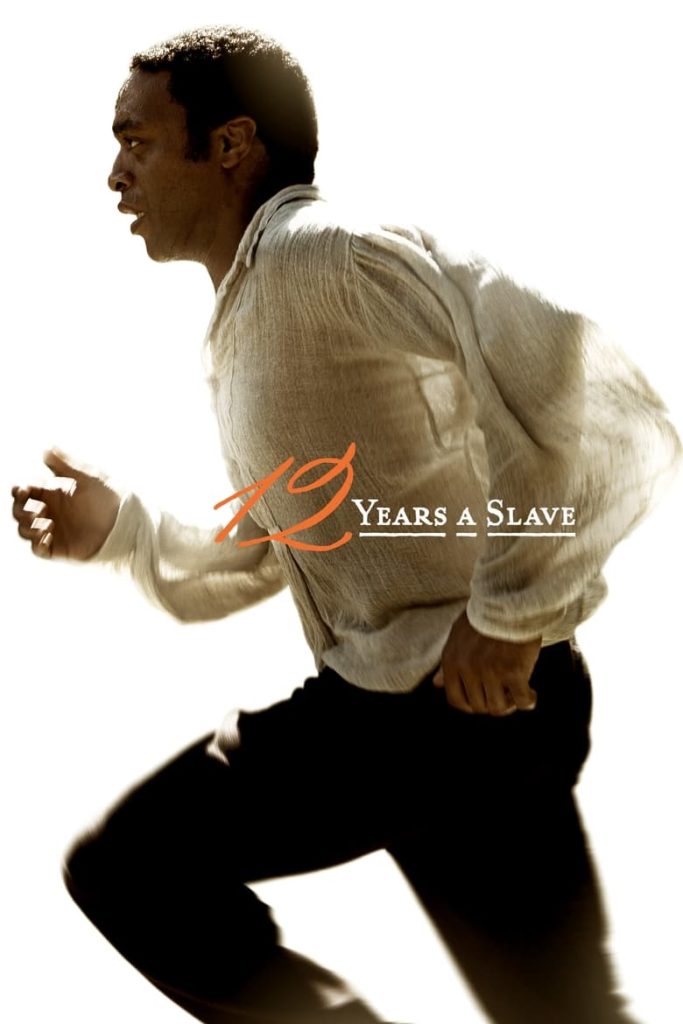
This historical drama tells the true story of Solomon Northup, a free Black man who was kidnapped and forced into slavery in the pre-Civil War American South. The film depicts his twelve-year struggle to survive brutal conditions while maintaining his dignity and hope for freedom. It portrays both the cruelty of the slave system and moments of human kindness, culminating in his eventual chance for liberation.
Parent Guide
A powerful but intense historical drama about slavery with graphic violence and mature themes requiring parental guidance.
Content breakdown
Frequent and graphic depictions of slavery-era violence including whippings, beatings, and physical abuse
Intense scenes of cruelty, psychological trauma, and dehumanizing treatment that may be emotionally overwhelming
Period-appropriate racial slurs and strong language reflecting the historical context
Implied sexual violence and non-explicit references to exploitation within the slave system
Brief social drinking in some scenes reflecting period customs
Sustained emotional weight dealing with trauma, injustice, and human suffering
Parent tips
This film contains intense and realistic depictions of slavery-era violence, including whippings, beatings, and psychological abuse that may be deeply disturbing for viewers. The R rating reflects graphic scenes of physical cruelty, racial slurs, and emotional trauma that require mature understanding. Parents should consider their child's emotional maturity and ability to process historical injustice before viewing, as the film doesn't shy away from the harsh realities of this period.
Parent chat guide
Parent follow-up questions
- How did the movie make you feel?
- What was the saddest part?
- What does it mean to be kind to others?
- Why is it important to treat everyone fairly?
- What would you do if you saw someone being treated unfairly?
- Why was it wrong to treat people this way?
- How did Solomon stay strong during hard times?
- What does freedom mean to you?
- How can we make sure everyone is treated fairly today?
- What did you learn about history from this movie?
- What does this film teach us about human dignity?
- How did different characters respond to injustice?
- Why is it important to learn about difficult history?
- What connections do you see between this history and today's world?
- How can stories like this help us create a better future?
- How does this film challenge our understanding of American history?
- What does it reveal about systems of oppression and resistance?
- How do the film's artistic choices affect its emotional impact?
- What responsibilities do we have when learning about historical trauma?
- How can we apply lessons from this history to current social justice issues?
🎭 Story Kernel
At its core, '12 Years a Slave' explores the psychological violence of dehumanization through institutionalized slavery. Solomon Northup's journey isn't just about physical bondage but the systematic erasure of his identity—his name, skills, and dignity stripped away to make him property. The film reveals how slavery corrupts everyone: masters rationalize cruelty, overseers become monsters, and even fellow enslaved people must sometimes betray each other to survive. What drives Solomon isn't just hope but a desperate clinging to memory—the recollection of freedom becomes both his torment and salvation. The real horror isn't the whippings but watching a civilized man slowly accept he might die as someone else's slave.
🎬 Visual Aesthetics
McQueen employs a painterly visual language where brutality unfolds with unsettling stillness. The camera lingers on faces during violence, forcing viewers to witness suffering without cinematic escape. The color palette shifts from warm, vibrant tones in Solomon's free life to washed-out, oppressive hues on the plantations. Most striking are the symmetrical compositions—slaves arranged like still-life subjects, emphasizing their objectification. The infamous lynching scene uses extended duration not for shock value but to show how atrocity becomes background noise. Natural light makes everything feel uncomfortably real, while the sparse score (when present) highlights the silence where humanity should be.
🔍 Details & Easter Eggs
💡 Behind the Scenes
Chiwetel Ejiofor learned to play the violin for the role, practicing up to eight hours daily. The infamous whipping scene required Michael Fassbender and Lupita Nyong'o to shoot for an entire day, with Nyong'o actually being struck by the whip (though protected by padding). Brad Pitt's cameo as Bass was criticized by some as distracting, but he was also a producer who helped secure funding. Many scenes were shot at actual Louisiana plantations, including the Whitney Plantation, now a slavery museum.
Where to watch
Choose region:
- Amazon Video
- Apple TV
- Google Play Movies
- YouTube
- Fandango At Home
- Spectrum On Demand
Trailer
Trailer playback is unavailable in your region.