
13th (2016)
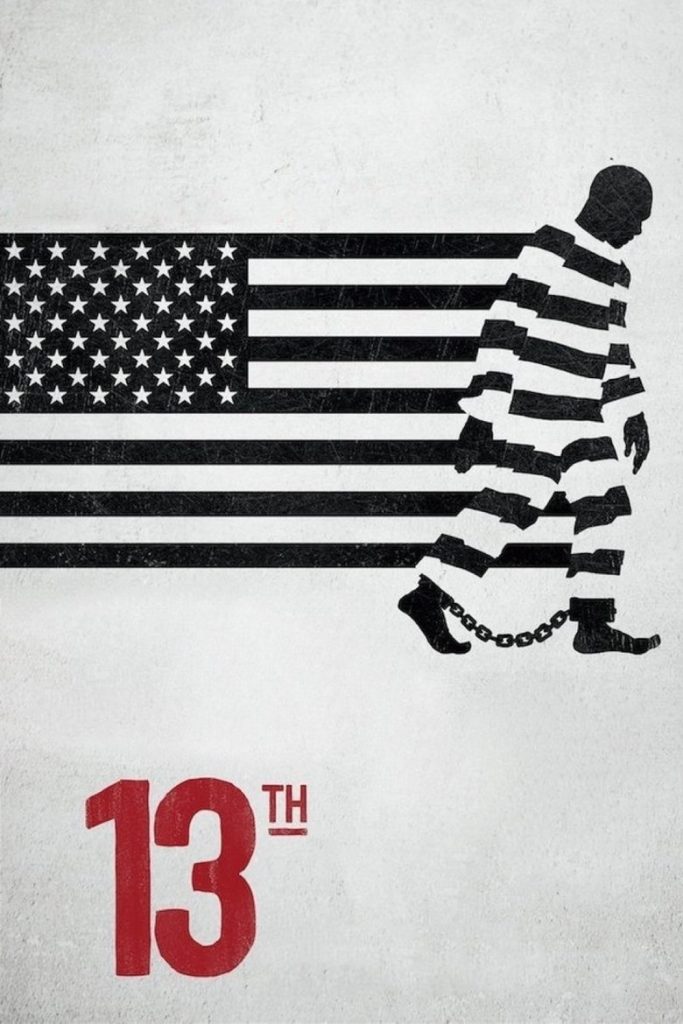
Story overview
This documentary examines the U.S. prison system's connection to racial inequality, tracing its roots from the 13th Amendment to modern mass incarceration, with expert interviews and historical footage.
Parent Guide
A thought-provoking documentary on racial injustice and incarceration, suitable for mature teens with guidance due to intense themes.
Content breakdown
Includes archival footage of protests, police confrontations, and discussions of violence in prisons; no graphic depictions but emotional impact.
Disturbing themes of systemic racism, injustice, and incarceration; may be emotionally intense for sensitive viewers.
Occasional strong language in historical clips or interviews; not pervasive.
No sexual content or nudity.
No depiction of substance use.
High emotional intensity due to themes of inequality, suffering, and social critique; may provoke strong reactions.
Parent tips
Watch together to discuss themes; preview for intense content; use as a learning tool about history and social justice; be prepared for emotional reactions.
Parent chat guide
Parent follow-up questions
—
- What does 'fair' mean to you?
- How do you think people should be treated?
- Why might some groups be affected more by laws?
- What can we learn from history about justice?
- How does the film connect past and present racial issues?
- What role do individuals play in social change?
🎭 Story Kernel
The film argues that the 13th Amendment's loophole—allowing slavery as punishment for crime—created a continuous system of racial control from chattel slavery through Jim Crow to mass incarceration. It's not about individual racism but systemic architecture: how political rhetoric (Nixon's 'War on Drugs,' Reagan's 'superpredators'), private prison profits, and legislation (1994 Crime Bill) deliberately target Black communities. The driving force is America's economic and social need to maintain a subjugated class, rebranding oppression through legal frameworks. Characters aren't individuals but historical figures and policies that collectively build what Michelle Alexander calls 'The New Jim Crow.'
🎬 Visual Aesthetics
DuVernay employs a stark, archival-heavy visual style—contrasting grainy historical footage of chain gangs with crisp modern shots of prisons. The color palette shifts from warm sepia tones in slavery segments to cold, sterile blues in contemporary prison scenes, visually linking eras. She uses split screens effectively, juxtaposing politicians' speeches with statistics of rising incarceration. Symbolism appears in repeated shots of doors closing (courtrooms, prison cells) and empty chairs representing lost lives. The camera lingers on faces during interviews, creating intimate moments of testimony against the impersonal scale of data visualization.
🔍 Details & Easter Eggs
💡 Behind the Scenes
Ava DuVernay intentionally released '13th' in 2016—the election year—to influence political discourse. The title refers to the 13th Amendment, which the film dissects line by line. It was the first documentary to open the New York Film Festival. Scholar Michelle Alexander's book 'The New Jim Crow' heavily influenced the structure. DuVernay interviewed over 40 experts but notably excluded law enforcement perspectives, a deliberate choice to center affected communities. The film's score features original music by Jason Moran and haunting covers of 'Strange Fruit.'
Where to watch
Choose region:
- Netflix
- Netflix Standard with Ads
Trailer
Trailer playback is unavailable in your region.