
14 Peaks: Nothing Is Impossible (2021)
Story overview
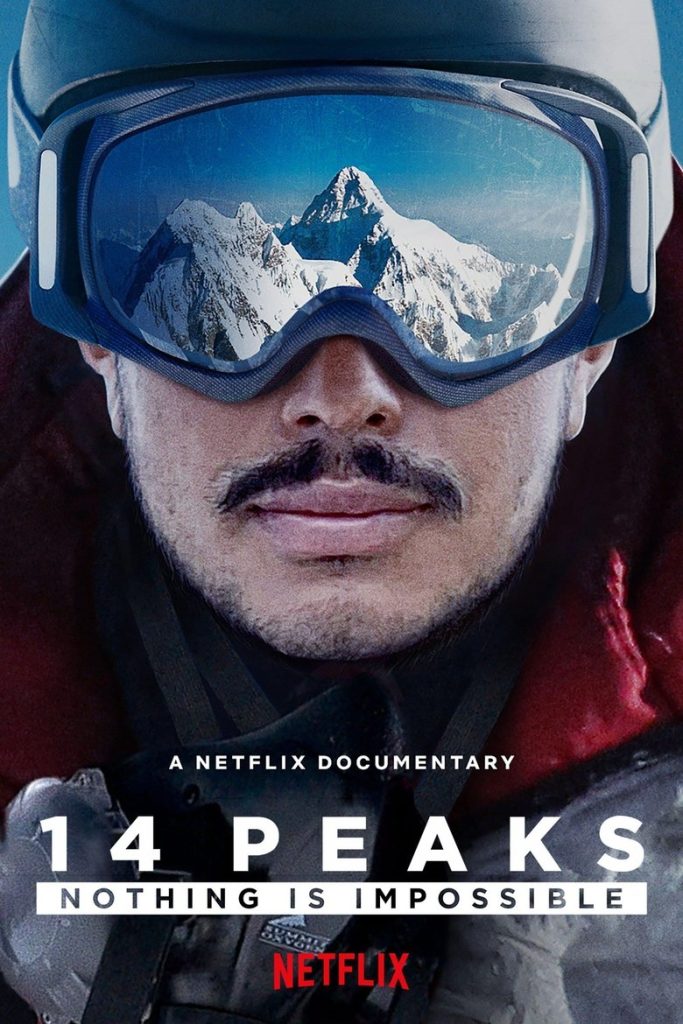
This documentary follows Nepalese climber Nirmal 'Nims' Purja's ambitious 2019 mission to summit all 14 of the world's highest mountains in under 7 months, shattering the previous 8-year record. The film captures his 'Project Possible 14/7' expedition, highlighting extreme physical challenges, teamwork, and his inspirational message about overcoming seemingly impossible goals.
Parent Guide
Documentary featuring extreme mountaineering with real danger, occasional strong language, and intense emotional moments. Best for mature children who understand real-world risk.
Content breakdown
Extreme mountaineering peril throughout - avalanches, falls, altitude sickness, frostbite risk, life-threatening conditions. Real footage of dangerous situations and discussions of past climbing deaths.
Intense sequences of climbers in peril, discussions of mortality, visible exhaustion and suffering. Some disturbing imagery of frostbite and harsh conditions.
Occasional strong language (s--t, damn, hell) in tense situations. Not frequent but present in authentic expedition footage.
No sexual content or nudity.
No substance use depicted.
High emotional stakes throughout - team conflicts, personal sacrifices, pressure to succeed, tearful moments, discussions of life purpose and mortality.
Parent tips
This documentary showcases extreme mountaineering with real peril, strong language, and intense emotional moments. Best for mature children who can handle realistic danger and occasional profanity. Watch together to discuss perseverance, risk assessment, and cultural perspectives on achievement.
Parent chat guide
Parent follow-up questions
—
- What was the hardest part of climbing mountains?
- Why did Nims want to help his friends?
- What special clothes do climbers wear?
- How did weather affect their climbs?
- What safety equipment was most important?
- Why do you think previous records took so much longer?
- What ethical questions arise about extreme mountaineering?
- How did cultural differences affect team dynamics?
- Is 'nothing is impossible' a responsible message?
🎭 Story Kernel
While framed as an extreme athletic achievement, '14 Peaks' is fundamentally about cultural reclamation and psychological exorcism. Nirmal Purja's Project Possible isn't just about climbing mountains faster than anyone else—it's about dismantling the colonial legacy in Himalayan mountaineering and reclaiming space for Nepali climbers. The real tension isn't whether he'll summit all 14 peaks, but whether his body will survive the brutal pace he's set to prove a point about what's possible for someone from his background. The film subtly reveals how every oxygen-deprived step carries the weight of proving worth to a world that has historically overlooked Sherpas and Nepali climbers as mere support staff rather than expedition leaders.
🎬 Visual Aesthetics
The cinematography masterfully contrasts two visual languages: the breathtaking, drone-shot grandeur of Himalayan peaks that could be National Geographic footage, and the gritty, handheld intimacy of base camp struggles. When Purja climbs, the camera often stays at his eye level—we see what he sees, feel the vertigo he feels. The color palette shifts from the sterile blues and whites of high altitude to the warm, earthy tones of Nepali villages, visually reinforcing the journey home. Most striking are the sequences where extreme wide shots of tiny climbers on massive faces emphasize human fragility, then cut to GoPro footage from Purja's perspective where the mountain fills the frame, overwhelming and immediate.
🔍 Details & Easter Eggs
💡 Behind the Scenes
Director Torquil Jones initially planned a conventional climbing documentary but pivoted when Purja revealed his audacious 14-peak plan. Most footage comes from Purja's own team using consumer-grade cameras—the intimacy stems from climbers filming themselves. The production nearly collapsed multiple times when funding gaps threatened the expeditions themselves. Notably, the film crew couldn't follow Purja on all climbs due to the extreme pace, so much high-altitude footage comes from Purja's climbing partners doubling as cinematographers, explaining the raw, unpolished look of the most dangerous sequences.
Where to watch
Choose region:
- Netflix
- Netflix Standard with Ads
Trailer
Trailer playback is unavailable in your region.