
16 Days of Glory (1985)
Story overview
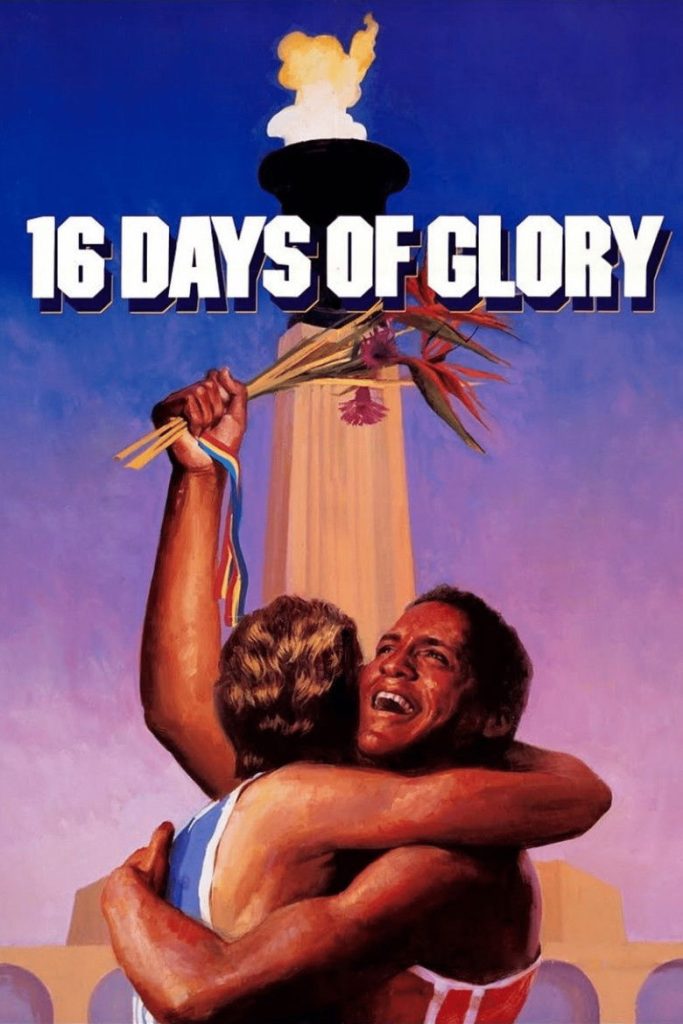
This documentary provides an intimate, behind-the-scenes look at the 1984 Los Angeles Olympics, focusing on athletes' personal stories and experiences rather than just competition results. It captures the human side of the Games through participants' lives, narration by David Perry, and music including Placido Domingo's singing, offering a perspective not typically shown in television coverage.
Parent Guide
A thoroughly wholesome documentary about the 1984 Olympics with no objectionable content. The primary consideration is the extended length, which may require breaking viewing into multiple sessions for younger audiences.
Content breakdown
No violence. Shows athletic competition with normal sports-related physical exertion but no dangerous situations or injuries depicted.
Nothing scary or disturbing. The tone is consistently uplifting and celebratory throughout.
No offensive language. All dialogue is appropriate for all ages.
No sexual content or nudity. Athletes wear standard competition attire.
No depiction or reference to substance use.
Some emotional moments related to athletic achievement and competition outcomes, but all presented in a positive, inspirational manner. No intense drama or conflict.
Parent tips
This G-rated Olympic documentary is family-friendly but has a very long runtime (4 hours 45 minutes). Consider watching in segments with younger children. The film celebrates athletic achievement and international cooperation, providing good discussion opportunities about sportsmanship, dedication, and cultural diversity. No concerning content exists, but the length may challenge attention spans.
Parent chat guide
Parent follow-up questions
- Did you see any running or jumping? Which was your favorite?
- What colors did you see in the opening ceremony?
- Did the music make you want to dance?
- Which athlete's story interested you most? Why?
- What do you think was hardest about training for the Olympics?
- How do you think the athletes felt when they won or didn't win?
- What sacrifices do you think athletes make to compete at this level?
- How does this documentary's perspective differ from typical sports coverage?
- What values do the Olympics represent beyond just winning medals?
- How does this 1984 perspective compare to modern Olympics coverage?
- What role does national identity play in international sports competitions?
- How do documentaries shape our understanding of historical events differently than news coverage?
🎭 Story Kernel
The film's core theme explores the paradoxical nature of the Olympic Games as both a celebration of human achievement and a crucible of personal sacrifice. It's not just about winning medals but about the psychological and physical toll on athletes who dedicate their lives to a single moment. The documentary reveals how the pursuit of glory often overshadows the athletes' humanity, reducing them to symbols of national pride while ignoring their individual struggles. The driving force for these competitors isn't merely victory but the validation of years of relentless training, creating a poignant tension between personal fulfillment and public expectation.
🎬 Visual Aesthetics
The cinematography employs a stark contrast between intimate close-ups of athletes in vulnerable moments and sweeping wide shots of stadium crowds, emphasizing the isolation within spectacle. A muted color palette dominates training sequences, while competition scenes burst with saturated Olympic colors, visually distinguishing preparation from performance. The camera lingers on exhausted faces and trembling bodies post-event, rejecting typical sports documentary heroism in favor of raw human documentation. Slow-motion sequences aren't used for dramatic effect but to extend moments of defeat or quiet triumph, creating an almost meditative rhythm.
🔍 Details & Easter Eggs
💡 Behind the Scenes
Director Bud Greenspan spent years negotiating unprecedented access to athletes and Olympic officials, resulting in footage that captures unguarded moments typically hidden from broadcast cameras. The film was shot during the 1984 Los Angeles Olympics, which was notably boycotted by Soviet Bloc countries, adding political context to the competition narratives. Many athletes featured went on to become coaches or commentators, with several reflecting later that the documentary captured their experiences more authentically than traditional media coverage. The editing process took nearly two years as Greenspain curated over 300 hours of footage into the final narrative structure.
Where to watch
Choose region:
- HBO Max
- HBO Max Amazon Channel
- Criterion Channel
- Apple TV Store
- Fandango At Home