
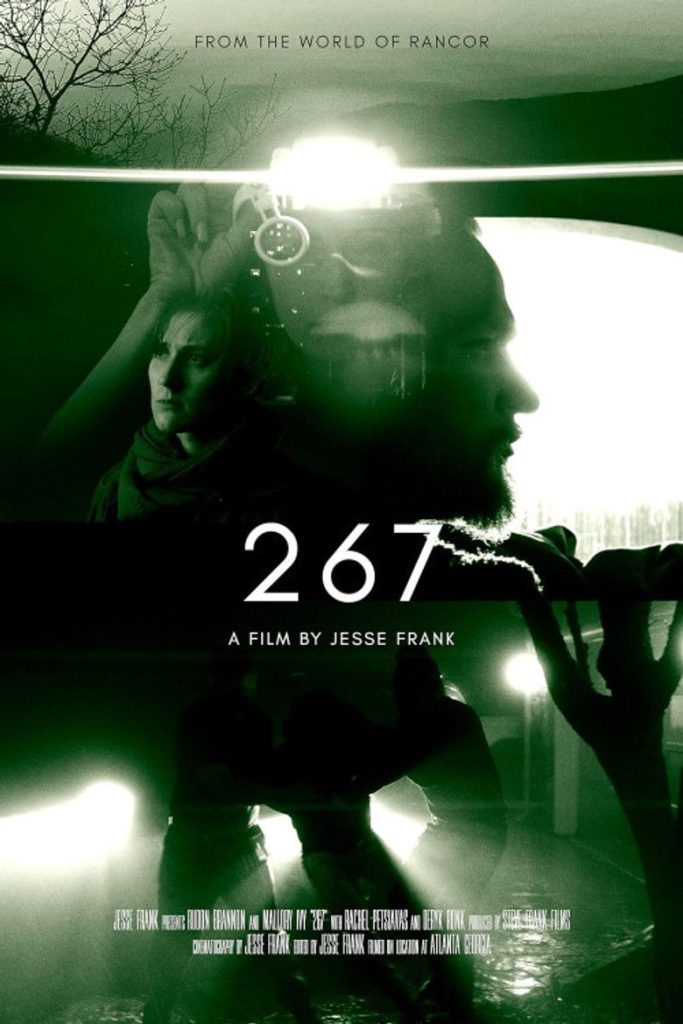
267 (2026)

Released: 2026-01-25 Recommended age: 12+ No IMDb rating yet
267

Movie details

  • Genres: Drama
  • Director: Jesse Frank
  • Main cast: Rachel Petsiavas, Michael James Sewell Jr., Franny Titus, Wade Hammond
  • Original language: en
  • Premiere: 2026-01-25

Story overview

This drama follows a brother and sister who reconnect after years apart and discover a disturbing secret about a major pharmaceutical company. As they work together to reveal the truth, they must confront their deepest fears and navigate the dangers of exposing powerful corporate wrongdoing.

Parent Guide

A thought-provoking drama about corporate ethics and family bonds, suitable for mature pre-teens and teenagers who can handle suspenseful situations and complex themes.

Content breakdown

Violence & peril
Mild

Contains suspenseful moments and mild peril as characters investigate dangerous secrets, but no physical violence or combat scenes.

Scary / disturbing
Moderate

Themes of corporate wrongdoing and uncovering dark secrets create tension. Characters face psychological fears and ethical dilemmas that may be intense for sensitive viewers.

Language
Mild

May include occasional mild language related to tense situations, but no strong profanity expected in a drama of this nature.

Sexual content & nudity
None

No sexual content or nudity present in this corporate/family drama.

Substance use
Mild

Pharmaceutical products are central to the plot, but recreational substance use is not depicted. The focus is on corporate ethics rather than personal drug use.

Emotional intensity
Moderate

Strong emotional themes including family separation, fear, courage, and moral dilemmas. Characters experience significant stress while confronting powerful adversaries.

Parent tips

This film deals with mature themes including corporate corruption, family separation, and facing fears. While not graphic, it contains suspenseful moments and emotional intensity that may be challenging for younger viewers. The story focuses on ethical dilemmas and personal courage rather than action or violence.

Parent chat guide

After watching, discuss with your children: How do the siblings show courage in difficult situations? What does the movie teach about standing up for what's right even when it's scary? Talk about the importance of family support during challenging times. You might also explore how media portrays corporations and discuss real-world examples of ethical business practices.

Parent follow-up questions

  • What did you think about the brother and sister working together?
  • What was the bravest thing someone did in the movie?
  • Why do you think the pharmaceutical company kept their secret?
  • How did facing their fears help the siblings achieve their goal?
  • What would you do if you discovered something wrong at a big company?
  • What ethical dilemmas did the characters face in exposing the truth?
  • How does the film comment on corporate power and accountability?
  • What real-world parallels can you draw to the pharmaceutical industry issues presented?
⚠️ Deep Film Analysis (Contains Spoilers) · Click to Expand
A taut psychological thriller where the real prison isn't made of concrete but of memory.

🎭 Story Kernel

The film explores the suffocating weight of guilt through its protagonist's descent into self-imposed isolation. The number '267' represents not just a cell number but the days of psychological torment following a traumatic event. What drives the characters isn't external conflict but internal reckoning—the protagonist's obsessive need to quantify and contain his trauma within physical and temporal boundaries. The movie suggests that true imprisonment occurs when we become the wardens of our own memories, constructing elaborate mental prisons to avoid confronting painful truths. The minimalist plot serves as a vessel for examining how trauma distorts perception of time and space.

🎬 Visual Aesthetics

Director's use of claustrophobic framing creates visual tension throughout, with extreme close-ups emphasizing the protagonist's psychological confinement. The color palette shifts from warm, saturated tones in flashbacks to desaturated blues and grays in present scenes, mirroring emotional detachment. Long takes with minimal camera movement reflect the protagonist's stagnant mental state, while sudden, jarring cuts mimic traumatic memory flashes. Symbolism appears in recurring visual motifs—the geometric patterns of prison bars echoing in architectural details, creating a pervasive sense of entrapment even in open spaces. Lighting often isolates characters in pools of light against darkness, visually representing their emotional isolation.

🔍 Details & Easter Eggs

1
The protagonist's watch consistently shows 2:67 in early scenes—an impossible time that foreshadows the film's exploration of distorted reality and psychological time dilation.
2
Background graffiti in the prison scenes contains subtle mathematical equations that mirror the protagonist's attempts to rationally quantify his irrational guilt.
3
The recurring visual motif of circular patterns (drains, camera lenses, coffee stains) subtly reinforces the film's theme of inescapable cyclical thinking and psychological loops.

💡 Behind the Scenes

The film was shot chronologically over exactly 267 days to mirror the protagonist's experience, with the director insisting on this production schedule despite budget concerns. Lead actor underwent voluntary solitary confinement for three days before filming to understand the psychological effects. The prison set was constructed within an abandoned textile factory, with production designers using actual prison blueprints for authenticity. Cinematographer employed vintage Soviet-era lenses to achieve the distinctive visual texture that blurs the line between memory and present reality.

Where to watch

Streaming availability has not been announced yet.

SkyMe App
SkyMe Guide Download on the App Store
VIEW