
28 Days Later (2002)
Story overview
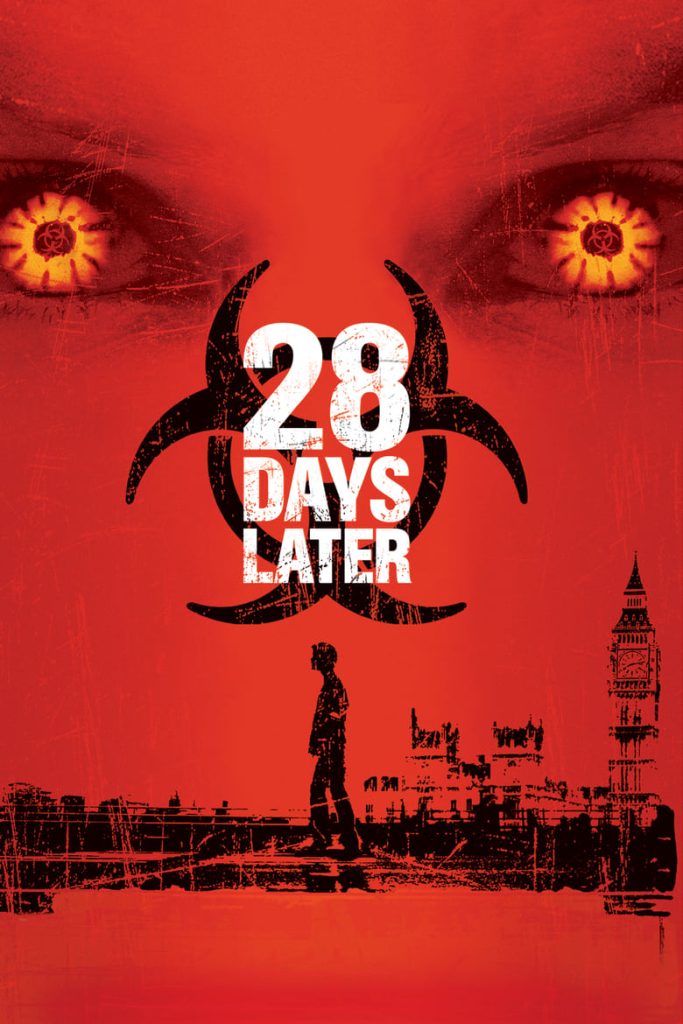
28 Days Later is a 2002 horror film that follows a man who wakes from a coma to find London deserted after a mysterious virus has ravaged the population. The virus turns infected people into aggressive, rage-filled beings who attack the uninfected on sight. As the protagonist joins other survivors, they must navigate this dangerous new world while seeking safety and answers about the outbreak.
Parent Guide
This R-rated horror film contains intense violence, disturbing content, and mature themes unsuitable for younger viewers.
Content breakdown
Frequent graphic violence including infected humans attacking with extreme aggression, biting, beating, and bloodshed. Characters are in constant peril with life-threatening situations.
Very frightening imagery including rage-filled infected humans, jump scares, and a bleak post-apocalyptic setting. The overall tone is intense and disturbing.
Contains strong language including profanity used in intense situations.
Brief non-sexual nudity in a medical context. No explicit sexual content.
Brief scenes showing alcohol consumption by adult characters.
High emotional intensity throughout with themes of survival, loss, fear, and moral dilemmas in extreme circumstances.
Parent tips
This film is rated R primarily for intense violence, disturbing imagery, and strong language. It features graphic scenes of infected humans attacking others with extreme aggression, including biting, beating, and bloodshed. The overall tone is bleak and suspenseful, with characters facing constant peril and moral dilemmas in a post-apocalyptic setting.
Parents should be aware that the film contains jump scares, gory violence, and themes of survival in a collapsed society. The infected characters are depicted as frenzied and terrifying, which could be particularly frightening for younger viewers. The R rating indicates this content is intended for mature audiences.
Parent chat guide
For older viewers, conversations could explore the ethical questions raised by the film, such as how far people should go to protect themselves or what happens when society breaks down. The film's depiction of a pandemic might also prompt discussions about real-world public health concerns.
Parent follow-up questions
- What would you do if you woke up and everyone was gone?
- How do you think the characters felt when they were scared?
- What are some ways people can help each other when things are scary?
- Why do you think the characters made the choices they did?
- What would you pack if you had to leave your home quickly?
- How do you think people should work together in an emergency?
- What does this movie show about how people react in extreme situations?
- How do the characters show courage in the film?
- What responsibilities do people have to each other during a crisis?
- What ethical dilemmas do the characters face in this film?
- How does the movie explore themes of hope and despair?
- What commentary might the film be making about society and human nature?
🎭 Story Kernel
At its core, '28 Days Later' isn't about zombies—it's about the fragility of civilization and what remains when social contracts dissolve. The infected are merely a catalyst; the true horror emerges from the surviving humans. Jim's journey from passive hospital patient to ruthless survivor mirrors the film's central question: does apocalypse reveal our true nature or create new monsters? The military's compound represents the ultimate corruption of order—using the crisis to impose a brutal, patriarchal regime. The film suggests that hope isn't found in institutions, but in small, vulnerable human connections that persist against all odds.
🎬 Visual Aesthetics
Danny Boyle's digital video aesthetic creates visceral immediacy—the shaky, documentary-style camerawork makes the horror feel unnervingly real. The desaturated color palette of grays and greens emphasizes Britain's eerie emptiness, while sudden bursts of crimson violence shock the system. The infected aren't slow shufflers but sprinting vectors of rage, their movements captured in frenetic, disorienting shots. Iconic sequences like Jim wandering through deserted London use wide, hauntingly empty frames to convey profound isolation. The film's visual language constantly contrasts intimate close-ups of human emotion with chaotic, sprawling scenes of societal collapse.
🔍 Details & Easter Eggs
💡 Behind the Scenes
The film's iconic empty London scenes were shot in early morning hours with police cooperation, but required meticulous planning—some shots had just minutes before traffic resumed. Cillian Murphy was relatively unknown before his haunting performance as Jim; Boyle cast him after seeing his stage work. The infected's distinctive vomiting blood was achieved with a mixture of coffee and chocolate sauce for the right consistency. Originally shot on standard definition digital video to achieve its gritty look, the film helped pioneer digital cinematography in mainstream cinema.
Where to watch
Choose region:
- Netflix
- AMC Plus Apple TV Channel
- AMC+ Amazon Channel
- AMC+
- Philo
- Shudder
- Shudder Amazon Channel
- Netflix Standard with Ads
- Shudder Apple TV Channel
- Pluto TV
- Amazon Video
- Apple TV
- Google Play Movies
- YouTube
- Fandango At Home
Trailer
Trailer playback is unavailable in your region.