
3 Men and a Baby (1987)
Story overview
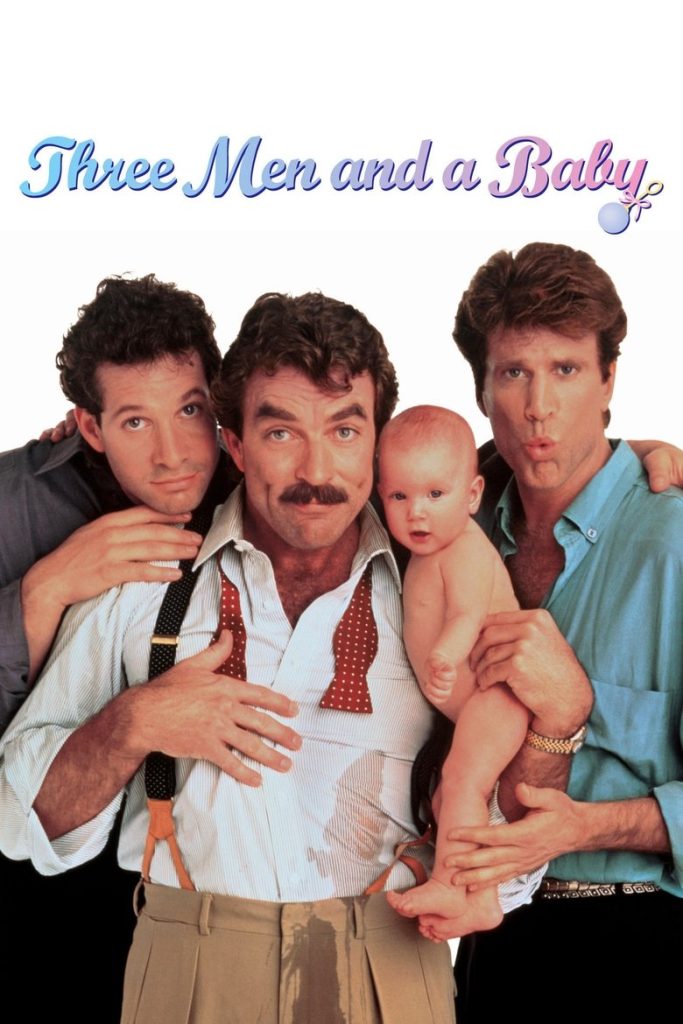
Three single men, Peter, Michael, and Jack, live a carefree bachelor lifestyle in New York City until a baby named Mary is left on their doorstep by Jack's former girlfriend. With no parenting experience, they must quickly learn to care for the infant while navigating comedic mishaps, unexpected responsibilities, and the arrival of the baby's mother. The film explores themes of family, responsibility, and personal growth through lighthearted humor and heartwarming moments.
Parent Guide
A lighthearted comedy about responsibility and family with minimal concerning content. Suitable for most children with some parental guidance for younger viewers.
Content breakdown
Comedic peril situations only - men accidentally putting baby in precarious but safe situations (like almost dropping her), chasing a package, and general baby care mishaps. No actual violence.
No scary or disturbing content. The package mix-up subplot involves drugs but is handled comically with no drug use shown.
Occasional mild language like 'hell' and 'damn' (few instances). No strong profanity.
Some suggestive humor and innuendo (men discussing dating/relationships, mild sexual references). No nudity or explicit content. Brief scenes of men in underwear (non-sexual, comedic context).
Plot involves a package of drugs being mistaken for baby supplies (no drug use shown). Social drinking in adult settings (bars, apartments). No drunkenness or glorification of substance use.
Light emotional moments when characters bond with baby or confront responsibilities. Warm, positive resolution. No intense emotional scenes.
Parent tips
This 1987 comedy is generally family-friendly but contains some mild content. Parents should be aware of: 1) Brief drug-related plot involving a package mix-up (no drug use shown), 2) Some suggestive humor and innuendo typical of 1980s comedies, 3) Occasional mild language, 4) Comedic peril situations involving baby care. The overall tone is warm and positive, with strong messages about responsibility and family bonds.
Parent chat guide
Parent follow-up questions
- What was your favorite funny part with the baby?
- How did the men help each other take care of Mary?
- What do you think the baby liked about her new home?
- Why was it hard for the men to take care of a baby at first?
- How did Sylvia help them become better caregivers?
- What does 'responsibility' mean when caring for someone?
- How did each man's personality affect how they cared for the baby?
- What does the movie show about traditional gender roles in parenting?
- Why was the package mix-up storyline included, and what message does it send?
- How does the film portray the transition from selfishness to selflessness?
- What commentary does the movie make about 1980s urban bachelor culture?
- How does the 'found family' theme resonate with modern family structures?
🎭 Story Kernel
At its core, '3 Men and a Baby' explores the collision between performative masculinity and primal caregiving instincts. The film isn't about men learning to be mothers—it's about them discovering that their carefully constructed identities as successful, independent bachelors are hollow compared to the raw, messy reality of nurturing life. Peter's initial panic, Michael's reluctant competence, and Jack's eventual surrender to fatherhood reveal how traditional male roles crumble when confronted with biological necessity. The driving force isn't love at first sight, but gradual, grudging acceptance that their priorities must shift from self-gratification to self-sacrifice.
🎬 Visual Aesthetics
The cinematography employs a clever visual dichotomy: the sleek, sterile luxury of the men's apartment gradually transforms into a chaotic, colorful nursery. Early scenes use wide shots emphasizing empty space and expensive furnishings, while later compositions become cluttered with baby gear, creating visual tension. The color palette shifts from cool grays and blacks to warmer tones as emotional walls break down. Camera angles often place the baby at eye level with the men, visually equalizing their relationship rather than maintaining adult superiority.
🔍 Details & Easter Eggs
💡 Behind the Scenes
The film was shot primarily in Toronto despite being set in New York, with the iconic apartment building actually being the King Edward Hotel. Tom Selleck had to schedule filming around his 'Magnum, P.I.' commitments, creating production challenges. The baby was played by twin girls, Lisa and Michelle Blair, who were swapped during filming to comply with child labor laws. Director Leonard Nimoy brought unexpected depth to the comedy, having recently explored family themes in 'Star Trek IV: The Voyage Home.'
Where to watch
Choose region:
- Disney Plus
- Amazon Video
- Apple TV Store
- Google Play Movies
- YouTube
- Fandango At Home
Trailer
Trailer playback is unavailable in your region.