
37 Seconds (2019)
Story overview
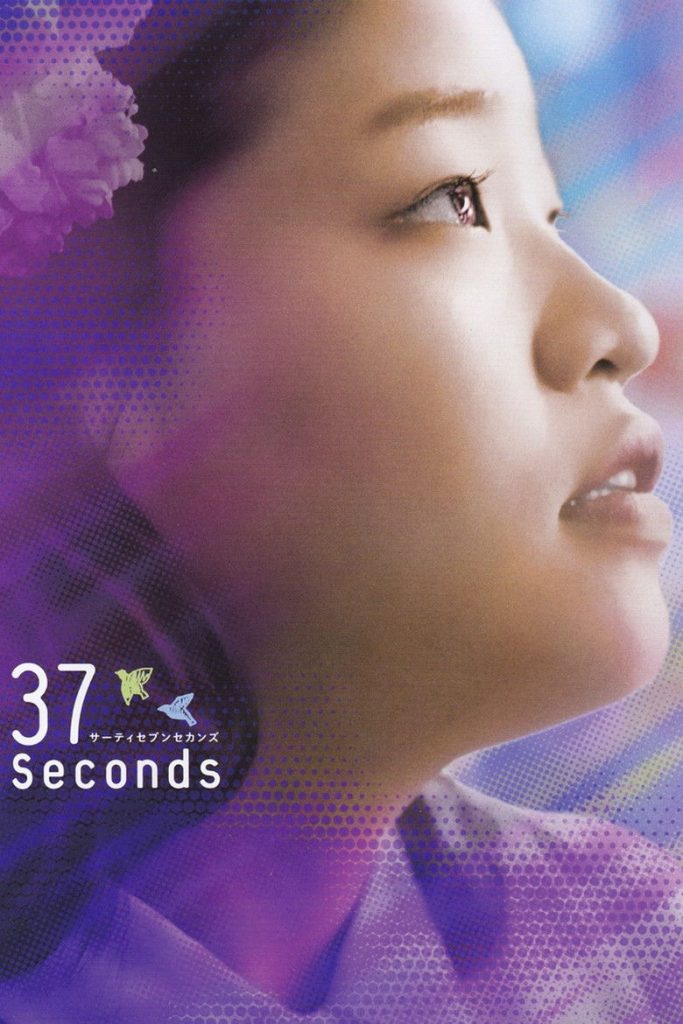
37 Seconds is a 2019 Japanese drama film about a young woman with cerebral palsy who navigates the challenges of independence, creativity, and self-discovery. The story follows her journey as she pursues her passion for manga writing while facing societal barriers and personal struggles. It explores themes of disability, identity, and the pursuit of dreams in a compassionate and realistic manner.
Parent Guide
A thoughtful drama about disability and self-discovery with mature themes suitable for guided viewing.
Content breakdown
Some emotional tension and challenging situations, but no physical violence.
Emotional scenes dealing with disability challenges and personal struggles.
No offensive language noted in general descriptions.
Themes of sexuality and relationships are addressed in a mature context.
No substance use depicted in general descriptions.
Deals with emotional themes of disability, independence, and personal growth.
Parent tips
This film offers a sensitive portrayal of disability and personal growth that can foster empathy and understanding in viewers. Parents should be prepared to discuss themes of independence, societal attitudes toward disability, and emotional resilience with their children. The movie's realistic depiction of challenges faced by people with disabilities may require guidance for younger audiences to process the emotional content appropriately.
Parent chat guide
Parent follow-up questions
- What did you notice about how the main character moved around?
- How did the character's friends help her?
- What was your favorite part of the story?
- What challenges did the main character face in the movie?
- How did she show bravery in the story?
- What did you learn about people who use wheelchairs?
- How did the movie show the main character's determination?
- What societal barriers did she encounter?
- How did her disability affect her relationships with others?
- How does the film challenge stereotypes about disability?
- What does the movie suggest about independence and self-advocacy?
- How does the character's journey reflect broader themes of identity and purpose?
🎭 Story Kernel
At its core, '37 Seconds' is about the fundamental human desire for autonomy and connection, specifically through the lens of sexual and creative agency. Yuma, a 23-year-old woman with cerebral palsy, isn't driven by a quest for societal acceptance, but by a deeply personal need to experience life on her own terms—to have sex, to create art that reflects her inner world, and to escape the infantilizing care of her overprotective mother. The film dismantles the 'inspiration porn' trope by presenting her journey not as a triumph over disability, but as a raw, sometimes awkward, and universally relatable search for self-definition. The 37 seconds of the title refers to the time her brain was deprived of oxygen at birth, but the narrative reframes this not as a defining tragedy, but as the starting point for a life she is determined to author herself.
🎬 Visual Aesthetics
Director Hikari employs an intimate, observational camera style that often stays at Yuma's eye level, immersing us in her physical perspective. The color palette is warm and naturalistic, dominated by the earthy tones of her home and the vibrant, sometimes garish neon of Tokyo's nightlife and the adult film industry she explores. This visual contrast mirrors her internal conflict between sheltered domesticity and risky self-discovery. Scenes are framed with careful composition, using doorways and windows to symbolize both barriers and portals. The camera doesn't shy away from the physical realities of her care routine, presenting them matter-of-factly, which grounds her more abstract desires in a tangible, embodied reality.
🔍 Details & Easter Eggs
💡 Behind the Scenes
The film is based on the real-life experiences of its lead actress, Mei Kayama, who has cerebral palsy. Director Hikari (a pseudonym) worked closely with Kayama to develop the script, ensuring authenticity. Notably, the film features real support workers and caregivers in cameo roles. It was shot on location in Tokyo, with many scenes filmed in actual manga studios and adult video offices to capture authentic atmospheres. The film's candid approach led to it being celebrated at the Berlin International Film Festival, winning the Panorama Audience Award for best feature film in 2019.
Where to watch
Choose region:
- Netflix
- Netflix Standard with Ads