
40 Years a Prisoner (2020)
Story overview
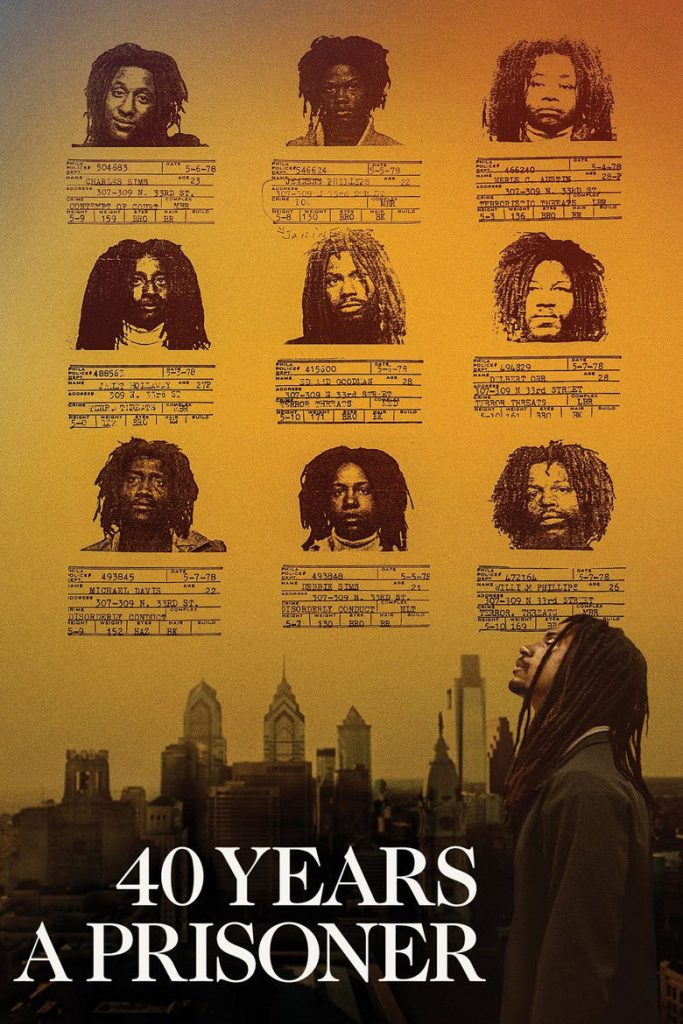
This documentary examines the 1978 Philadelphia police raid on the MOVE organization, a Black liberation group, and its long-lasting consequences. Through archival footage and interviews, it follows the son of imprisoned MOVE members as he fights for their release over decades. The film explores themes of racial injustice, police brutality, and systemic oppression, drawing connections to contemporary issues.
Parent Guide
This documentary contains mature content including real footage of police confrontations, discussions of violence and death, and themes of racial injustice and imprisonment. It's best suited for mature teens who can handle complex social issues and historical trauma.
Content breakdown
Contains archival footage of police raids and confrontations, discussions of police violence, and descriptions of injuries and deaths. Real news footage shows tense standoffs and armed police actions.
Deals with traumatic real-life events including police raids, imprisonment, family separation, and systemic injustice. Contains emotional interviews with affected individuals and disturbing historical footage.
May contain strong language in archival footage or interviews reflecting the intensity of the situations depicted. Some profanity likely given the documentary's subject matter and TV-MA rating.
No sexual content or nudity present in this documentary focused on historical events and social justice issues.
No substance use depicted or discussed as a focus of this documentary about police actions and social justice.
High emotional intensity due to themes of injustice, family separation, racial tension, and historical trauma. Interviews with affected individuals are emotionally charged, and the subject matter is heavy and thought-provoking.
Parent tips
This documentary deals with mature themes including police violence, racial tension, and imprisonment. It contains footage of real-life confrontations and discussions of traumatic events. Best suited for older teens and adults who can process complex social issues. Parents should be prepared to discuss historical context, systemic racism, and current events related to police-community relations.
Parent chat guide
Parent follow-up questions
—
—
—
- What did you learn about how communities can respond to injustice?
- How does this documentary help us understand current discussions about police and race?
- What questions does this film raise about fairness in our justice system?
- How do you think the people affected by these events felt, and why is it important to listen to their stories?
🎭 Story Kernel
The film expresses the corrosive impact of systemic injustice and generational trauma, driven by the MOVE family's quest for accountability after the 1978 police raid that killed a police officer and led to the wrongful imprisonment of nine members. It centers on Mike Africa Jr., whose parents were among those incarcerated, as he campaigns for their release, highlighting how bureaucratic inertia and political cover-ups perpetuate suffering. The core theme is the struggle for truth and redemption in a system designed to forget, showing how personal resilience confronts institutional failure.
🎬 Visual Aesthetics
The visual aesthetics blend archival footage with contemporary interviews, using a gritty, handheld camera style to convey urgency and intimacy. The color palette is muted, with desaturated tones emphasizing the bleakness of the prison system and the passage of time. Symbolism emerges through repeated shots of barred windows and family photos, contrasting confinement with the hope of reunion. The action style is deliberate, focusing on close-ups to capture emotional nuances, while interspersed news reels add a layer of historical context and media bias.
🔍 Details & Easter Eggs
💡 Behind the Scenes
The documentary was directed by Tommy Oliver, who spent years gaining the trust of the MOVE family to access personal archives and interviews. Filming locations included Philadelphia, where the original events occurred, and various prisons where the incarcerated members were held. Actor involvement is minimal as it features real-life participants, with Mike Africa Jr. serving as a central figure; the production faced challenges in obtaining police records, highlighting the ongoing resistance to transparency in the case.
Where to watch
Choose region:
- HBO Max
- HBO Max Amazon Channel
- Apple TV Store
- Google Play Movies
- YouTube
Trailer
Trailer playback is unavailable in your region.