
7 Prisoners (2021)
Story overview
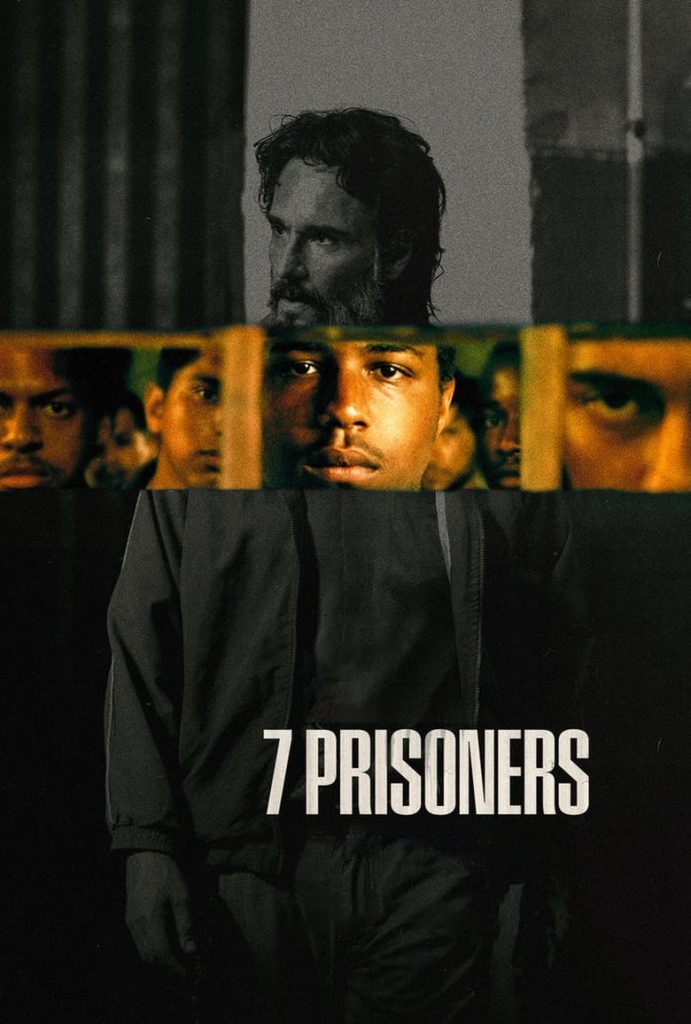
7 Prisoners is a 2021 drama crime film that explores themes of exploitation and survival. The story follows individuals caught in difficult circumstances, highlighting moral dilemmas and human resilience. It presents a gritty narrative about challenging situations and personal choices.
Parent Guide
A serious drama with mature themes requiring parental guidance for older teens.
Content breakdown
Contains tense situations and implied violence related to crime themes.
Themes of exploitation and difficult circumstances may be disturbing.
May contain strong language consistent with R-rated content.
Possible brief suggestive content given the rating.
May include references to substance use.
Deals with heavy themes that create emotional tension.
Parent tips
This film deals with mature themes including exploitation and crime, making it unsuitable for younger viewers. The R rating indicates content that requires parental guidance for teenagers. Parents should be prepared to discuss the film's serious subject matter with older teens.
Parent chat guide
Parent follow-up questions
- What colors did you see in the movie?
- Did you see any animals?
- What was your favorite part?
- Was there any music you liked?
- Did you see any toys in the movie?
- How did the characters help each other?
- What problems did the characters face?
- What would you do in a difficult situation?
- What did you learn about friendship?
- How did the movie make you feel?
- What choices did the characters have to make?
- How did the characters show courage?
- What does the movie teach about fairness?
- How do people help each other in hard times?
- What would you do differently than the characters?
- What does the film say about exploitation in society?
- How do power dynamics affect the characters' decisions?
- What moral dilemmas did the characters face?
- How does the film portray resilience?
- What real-world issues does this story reflect?
🎭 Story Kernel
The film's core is a devastating exploration of the psychology of survival and complicity within systemic slavery. It asks not just how people are trapped, but how they become agents of their own entrapment. Mateus's journey from victim to reluctant overseer is driven by a primal, pragmatic calculus: to save himself, he must participate in the system crushing others. This isn't about heroes or villains, but about the moral corrosion of impossible choices. The power dynamic is the true antagonist, demonstrating how economic desperation can forge chains more binding than iron, turning liberation into a negotiation with one's own conscience.
🎬 Visual Aesthetics
Director Alexandre Moratto employs a stark, naturalistic visual language that mirrors the narrative's grim reality. The camera often feels observational, using tight close-ups in the truck's confines to induce claustrophobia, then wider, detached shots in the scrapyard to emphasize the workers' insignificance within the industrial hellscape. The color palette is drained—dominated by grays, browns, and the muted tones of rust and filth—making moments like the brief, golden-hued fantasy of escape all the more poignant and tragic. The action is brutal in its simplicity; violence is administrative, cold, and part of the daily workflow, which makes it more horrifying than any stylized fight.
🔍 Details & Easter Eggs
💡 Behind the Scenes
The film is loosely inspired by real investigative reports into modern-day slave labor in São Paulo, Brazil. Director Alexandre Moratto, known for 'Socrates,' again focuses on marginalized Brazilian youth. Lead actor Christian Malheiros delivers a remarkably internalized performance, with much of the dialogue feeling improvised to enhance realism. The scrapyard scenes were filmed in an actual operational yard, adding to the palpable sense of danger and grime. The production employed a largely Brazilian crew, grounding the project in the social reality it depicts.
Where to watch
Choose region:
- Netflix
- Netflix Standard with Ads
Trailer
Trailer playback is unavailable in your region.