
A Dangerous Son (2018)
Story overview
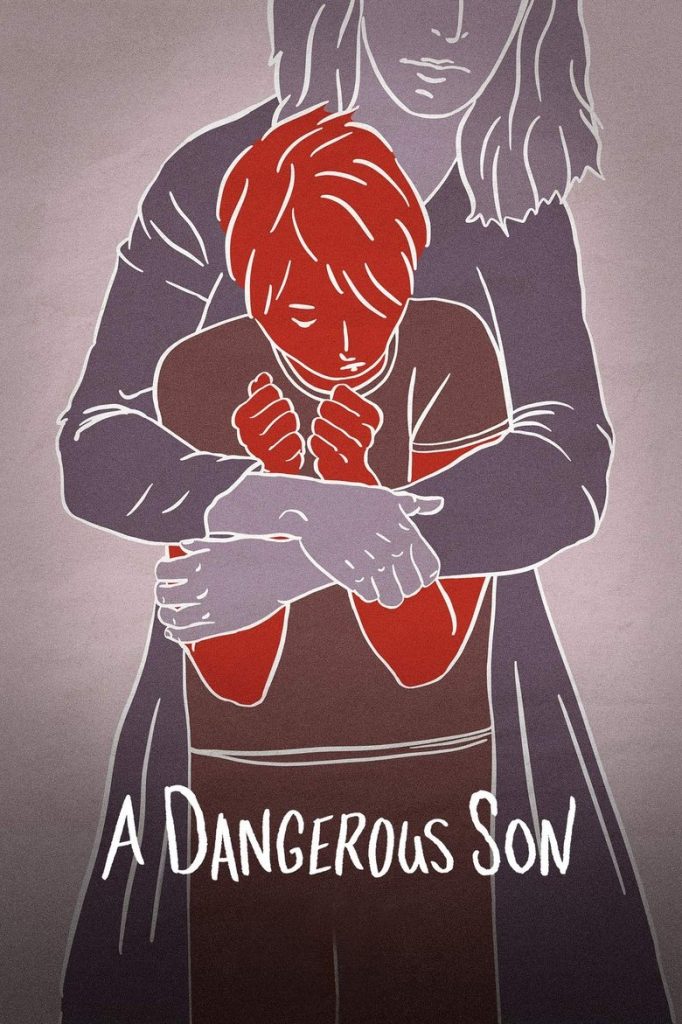
This documentary follows three families navigating the challenges of raising children with serious emotional or mental illnesses. It explores treatment options, family dynamics, and the emotional toll of these conditions, offering an intimate look at mental health struggles within family contexts.
Parent Guide
A serious documentary about families coping with children's mental health conditions. Contains emotional intensity and discussions of difficult topics including suicide. Best for mature teens and adults.
Content breakdown
No physical violence shown. Contains discussions of self-harm and suicidal thoughts which create psychological peril.
Disturbing content includes discussions of mental health crises, emotional breakdowns, and family distress. Some scenes show children in emotional turmoil.
Occasional mild language. Mostly respectful dialogue with some emotional outbursts.
No sexual content or nudity.
No substance use shown or discussed.
High emotional intensity throughout. Shows families in crisis, emotional breakdowns, and the strain of caring for children with serious mental health conditions. Contains discussions of suicide and self-harm.
Parent tips
This documentary deals with serious mental health issues including depression, anxiety, and behavioral disorders. It shows emotional distress, family conflicts, and discussions of suicide. Consider watching with older children to facilitate conversations about mental health awareness and empathy.
Parent chat guide
Parent follow-up questions
—
- What does it mean to feel sad or worried?
- How can we help someone who is feeling upset?
- What are some signs that someone might need help with their feelings?
- Why is it important to talk about mental health?
- How do families support each other during difficult times?
- What societal stigma exists around mental illness and how can we combat it?
- What resources are available for families dealing with mental health issues?
- How does this documentary change your understanding of mental illness?
- What role does empathy play in supporting those with mental health conditions?
🎭 Story Kernel
The film's core theme isn't just about childhood mental illness—it's about systemic failure and parental desperation. It reveals how America's fragmented healthcare, education, and social services systems abandon families dealing with violent behavioral disorders. The documentary follows multiple families whose children exhibit explosive aggression, showing how parents become trapped between love for their child and fear for their safety. What drives these characters is the primal need to protect both their troubled children and their other family members, while navigating a system that offers more judgment than solutions. The real tension comes from watching parents make impossible choices with no good options.
🎬 Visual Aesthetics
The cinematography employs intimate, handheld camerawork that creates a sense of being trapped in these families' daily crises. Close-ups on parents' exhausted faces alternate with wider shots that show the physical destruction caused by outbursts—broken doors, holes in walls. The color palette is muted and naturalistic, avoiding dramatic filters to maintain documentary authenticity. Particularly effective are sequences where the camera remains static during violent episodes, forcing viewers to witness the chaos without cinematic escape. The editing juxtaposes tender family moments with sudden violence, mirroring the emotional whiplash these parents experience.
🔍 Details & Easter Eggs
💡 Behind the Scenes
Director Liz Garbus spent three years following these families, often filming during actual crises rather than staged interviews. Several families dropped out during production due to the emotional toll. The film was shot in multiple states to show how mental health services vary regionally. One participating mother later became a mental health advocate, testifying before Congress about the need for better pediatric psychiatric care. The documentary's release coincided with increased national discussion about school violence and mental health funding.
Where to watch
Choose region:
- HBO Max
- HBO Max Amazon Channel
- Amazon Video
- Apple TV Store
- Google Play Movies
- YouTube
- Fandango At Home