
A Girl in the River: The Price of Forgiveness (2015)
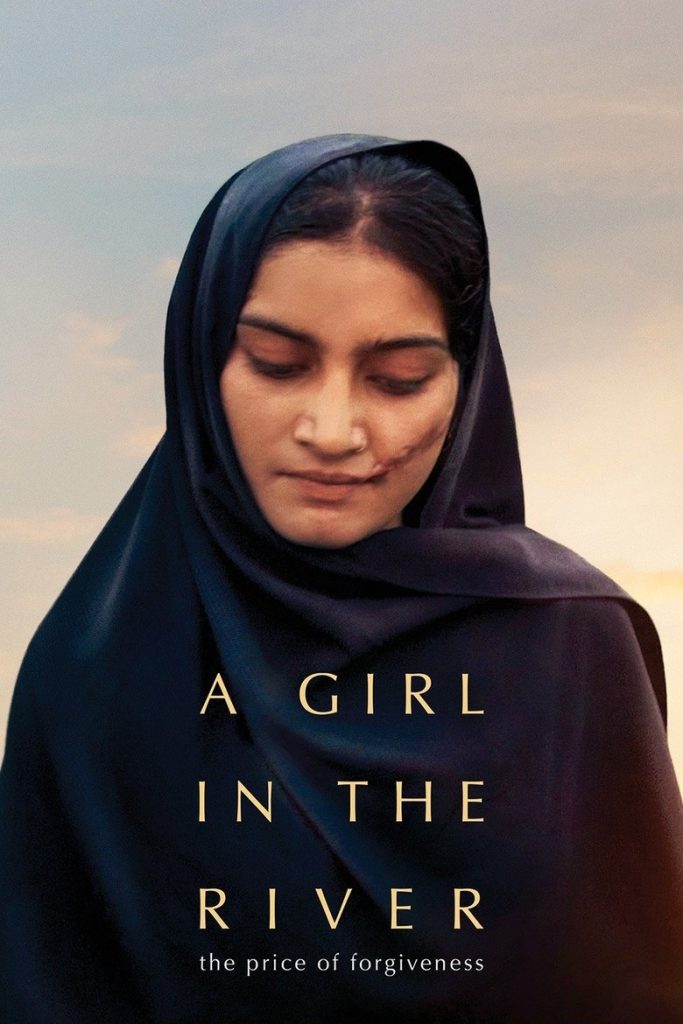
Story overview
This documentary tells the true story of a young woman in Pakistan who survives an honor killing attempt after marrying against her family's wishes. It explores themes of justice, forgiveness, and cultural traditions through interviews and real-life footage, focusing on her legal battle and personal journey.
Parent Guide
This documentary addresses serious themes of violence against women, honor killings, and legal injustice. While not graphically violent, it contains intense emotional content and discussions of traumatic events. Recommended for mature teenagers with parental guidance.
Content breakdown
Discussions of attempted murder and honor killings. No graphic violence shown, but descriptions of violent acts. Courtroom scenes show emotional distress related to violence.
Themes of domestic violence and attempted murder may be disturbing. Emotional interviews with trauma survivors. Discussions of cultural practices that endanger women.
No strong profanity. Some emotional language related to traumatic events.
No sexual content or nudity. Discussions of marriage and relationships in cultural context.
No substance use shown or discussed.
High emotional intensity throughout. Themes of survival, injustice, and forgiveness. Interviews with emotional trauma survivors. Courtroom scenes with high stakes.
Parent tips
This film deals with mature themes including attempted murder, domestic violence, and cultural conflicts. It contains discussions of honor killings and shows emotional courtroom scenes. Best suited for older children who can process complex social issues with parental guidance.
Parent chat guide
Parent follow-up questions
—
- What does it mean to forgive someone?
- Why do families sometimes disagree about who people should marry?
- What is an honor killing and why do some cultures practice it?
- How did the legal system help the woman in this story?
- What would you do if you saw someone being treated unfairly?
- How do cultural traditions sometimes justify violence against women?
- What role should forgiveness play in cases of attempted murder?
- How can legal systems better protect vulnerable individuals?
- What are the ethical implications of filming real-life trauma for documentaries?
🎭 Story Kernel
The film exposes how Pakistan's legal system weaponizes 'forgiveness' to protect honor killers, creating a perverse cycle where survivors are pressured to pardon their attackers. Saba's father and uncle shoot her in the head and dump her in a river for marrying against their wishes—yet when she miraculously survives, the system demands her 'forgiveness' to free them. This isn't about personal reconciliation but institutionalized impunity, where patriarchal structures co-opt religious forgiveness to maintain control. The real horror isn't the attempted murder but the legal machinery that forces victims to absolve their would-be killers, making survival itself a form of complicity.
🎬 Visual Aesthetics
Director Sharmeen Obaid-Chinoy employs stark, vérité-style cinematography that feels both intimate and forensic. The camera lingers on Saba's scar—a physical testament to violence—while courtroom scenes are shot with cold, static frames that mirror the bureaucratic indifference of the legal system. The river where Saba was dumped becomes a recurring visual motif: initially a site of trauma, later a symbol of life's persistence. Color palettes shift from the warm tones of Saba's wedding to the sterile blues of hospital corridors and courtrooms, visually tracing her journey from personal joy to institutional battleground.
🔍 Details & Easter Eggs
💡 Behind the Scenes
Director Sharmeen Obaid-Chinoy spent months gaining Saba's family's trust before filming, often shooting with minimal crew to avoid intimidation. The documentary faced legal threats during production, with some subjects attempting to retract interviews. It won the 2016 Oscar for Best Documentary Short Subject, prompting Pakistan's Prime Minister to vow reforming honor killing laws—though activists note implementation remains inconsistent. Cinematographer Asad Faruqi used small digital cameras to capture unobtrusive, raw footage in sensitive locations like courtrooms and family homes.
Where to watch
Choose region:
- HBO Max
- HBO Max Amazon Channel
- Amazon Video
- Apple TV Store
- Google Play Movies
- YouTube
- Fandango At Home
Trailer
Trailer playback is unavailable in your region.