
A Hundred Flowers (2022)
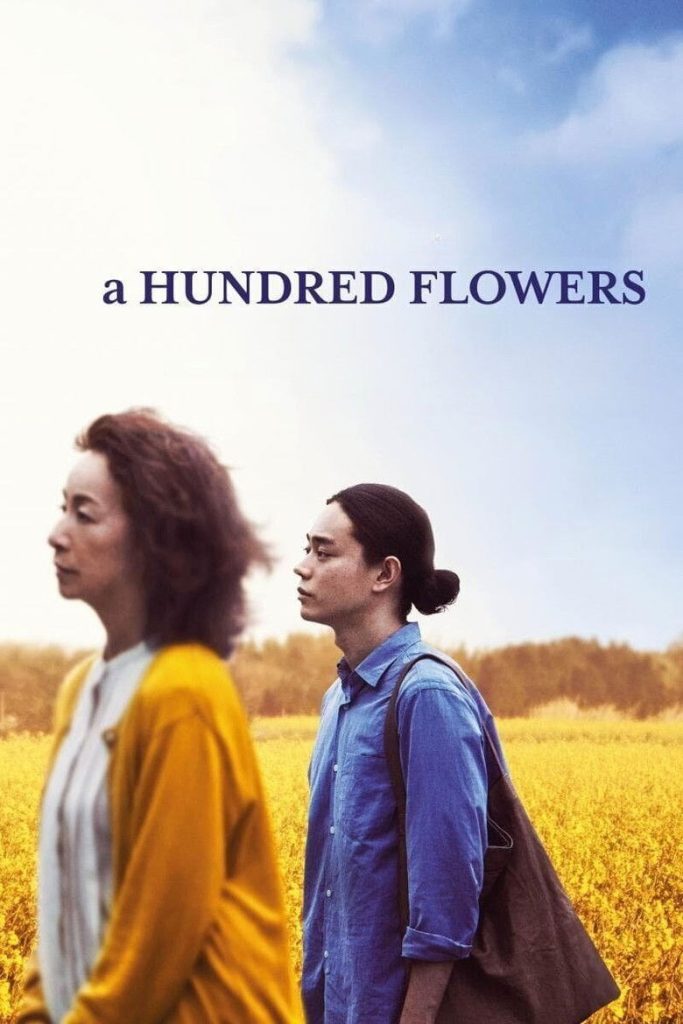
Story overview
A Hundred Flowers is a 2022 drama film that explores themes of family, memory, and personal growth. The story follows characters navigating emotional challenges and relationships in a contemplative narrative. While specific plot details are unavailable, it appears to be a character-driven story focusing on human connections and life experiences.
Parent Guide
A drama film with unspecified content; parental guidance recommended for younger viewers due to potential emotional themes.
Content breakdown
No violence indicated based on available information.
May contain emotionally intense scenes typical of drama films.
No strong language indicated based on available information.
No sexual content indicated based on available information.
No substance use indicated based on available information.
Likely contains emotional themes and relationship conflicts common in dramas.
Parent tips
This drama film likely deals with emotional themes that may require parental guidance for younger viewers. Since the content details are unspecified, parents should be prepared for potential mature themes common in dramatic storytelling. Consider previewing the film or researching more specific content information before viewing with children.
Parent chat guide
Parent follow-up questions
- What was your favorite part of the movie?
- How did the characters show they cared about each other?
- What colors or things did you see that you liked?
- Did any part make you feel happy or sad?
- What would you tell a friend about this movie?
- What challenges did the main characters face?
- How did the characters solve their problems?
- What did you learn about family from this movie?
- Which character did you relate to most and why?
- What would you do differently if you were in the story?
- What themes about growing up did you notice in the film?
- How did the characters change throughout the story?
- What did the movie teach about handling difficult emotions?
- How realistic were the relationships portrayed?
- What message do you think the filmmaker wanted to share?
- How did the film explore complex family dynamics?
- What commentary did the movie make about memory and the past?
- How effective were the storytelling techniques in conveying emotions?
- What cultural or social themes did you identify?
- How might different generations interpret this film differently?
🎭 Story Kernel
The film explores memory as both a burden and a sanctuary. The protagonist's journey isn't about recovering lost memories but about how those memories—even fragmented—shape identity and relationships. The narrative reveals that what drives the characters isn't the past itself, but their emotional responses to its absence. The central conflict emerges from the tension between wanting to remember and needing to forget, showing how memory loss creates new emotional landscapes rather than erasing old ones. The ending suggests that identity persists through emotional patterns, not just recollections.
🎬 Visual Aesthetics
The cinematography employs a soft, desaturated palette that gradually gains warmth as memories resurface. Shallow depth of field isolates characters in moments of recollection, while wide shots emphasize their smallness against emotional landscapes. The camera often lingers on hands and objects rather than faces, suggesting memory resides in physical sensations. The visual rhythm mirrors memory's non-linear nature through jump cuts and extended static shots. Symbolic use of water appears throughout—rain, tears, rivers—representing memory's fluid, sometimes overwhelming nature.
🔍 Details & Easter Eggs
💡 Behind the Scenes
The film was shot entirely on location in rural Japan over 47 days, with the director insisting on chronological shooting to mirror the protagonist's memory journey. Lead actor Ken Watanabe spent two months observing patients with memory disorders at a Tokyo clinic. The hundred flowers referenced in the title were all real blooms grown by the production team throughout filming, with each variety representing a different emotional memory state. The final scene required 28 takes to capture the precise natural light conditions the director demanded.
Where to watch
Choose region:
- Netflix
- Netflix Standard with Ads
Trailer
Trailer playback is unavailable in your region.