
A Life Too Short: The Isabella Nardoni Case (2023)
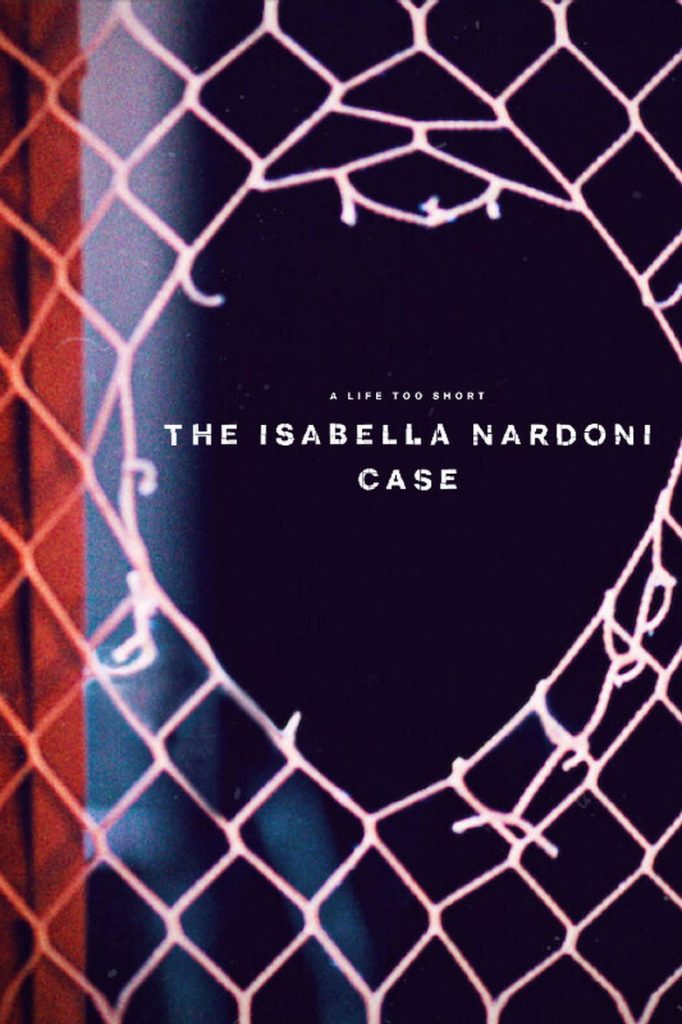
Story overview
This 2023 Brazilian documentary examines the tragic case of 5-year-old Isabella Nardoni, who fell from her father's apartment window. The film follows her mother's pursuit of justice through the legal system, which became a nationally publicized media event in Brazil. Through interviews and archival footage, it explores themes of parental responsibility, media scrutiny, and the complexities of the justice system.
Parent Guide
A serious documentary about a real child's death and subsequent legal proceedings. Contains discussions of tragedy, grief, and legal processes that may be emotionally intense.
Content breakdown
No graphic violence shown, but the central event involves a child falling from a height. Descriptions and discussions of the incident are present throughout.
The subject matter involves the death of a young child, which is inherently disturbing. Includes emotional interviews, courtroom discussions, and media coverage of the tragedy.
May contain occasional strong language in interview segments or media clips, but primarily consists of formal documentary narration and legal discussions.
No sexual content or nudity present.
No depiction or discussion of substance use.
High emotional content due to the tragic subject matter. Features grieving family members, intense legal proceedings, and media scrutiny of personal tragedy.
Parent tips
This documentary deals with the death of a young child and may be emotionally challenging for viewers of all ages. Parents should preview the content to assess appropriateness for their family. Consider discussing the legal and media aspects with older children, while being mindful of the sensitive subject matter with younger viewers.
Parent chat guide
Parent follow-up questions
- What should you do if you see an open window?
- Who can you talk to if you feel unsafe?
- Why is it important to listen to grown-ups about safety?
- What does 'justice' mean in this story?
- How do you think the mother felt during her search for answers?
- What are some ways to stay safe in high places?
- Why do you think this case received so much media attention?
- What are the responsibilities of parents according to the law?
- How might media coverage affect a legal case?
- What ethical considerations arise when media covers tragic events?
- How does the legal system balance evidence and public opinion?
- What systemic issues might this case reveal about child protection?
🎭 Story Kernel
The documentary explores the 2008 death of Isabella Nardoni, focusing on the systemic failures and the intense public pressure that surrounded the investigation. It moves beyond the gruesome details of the crime—where a five-year-old was thrown from a sixth-floor window—to examine the collective trauma of a nation. The film centers on the perspective of Isabella’s mother, Ana Carolina Oliveira, transforming a true-crime narrative into a poignant study of grief and the pursuit of justice. It critiques how the Brazilian media and judicial system reacted to the case, highlighting the thin line between public outcry and a 'trial by media.' Ultimately, it expresses the enduring pain of a lost childhood and the struggle to find closure in a case that remains etched in Brazil's national consciousness.
🎬 Visual Aesthetics
Directors Micael Langer and Cláudio Manoel employ a somber, minimalist aesthetic that avoids the lurid reenactments common in the true-crime genre. The cinematography utilizes clean, often static shots of urban São Paulo, juxtaposed with intimate, emotionally charged interviews. The use of archival footage from 2008—grainy news broadcasts and chaotic police scenes—serves as a stark contrast to the polished, reflective contemporary interviews. Symbolically, the film uses empty spaces and childhood artifacts to represent Isabella's absence, creating a haunting atmosphere. The lighting is often soft and naturalistic during personal testimonies, emphasizing the vulnerability of the subjects. By focusing on the faces of those left behind rather than the crime scene itself, the visual language prioritizes human emotion over sensationalist spectacle, reinforcing the documentary's respectful tone.
🔍 Details & Easter Eggs
💡 Behind the Scenes
The documentary was produced by Netflix in collaboration with Brazilian production company Kromaki. Directors Cláudio Manoel and Micael Langer previously worked together on projects like 'Simonal: No One Knows the Hard Luck I've Seen.' To maintain sensitivity, the filmmakers worked closely with Isabella’s mother, Ana Carolina Oliveira, who had previously avoided long-form documentary participation. The film was released on August 17, 2023, marking the 15th anniversary of the case. It quickly became one of the most-watched non-English documentaries on the platform, reflecting the continued global interest in high-profile Brazilian criminal cases and the complexities of their legal resolutions.
Where to watch
Choose region:
- Netflix
- Netflix Standard with Ads