
A Love Song for Latasha (2019)
Story overview
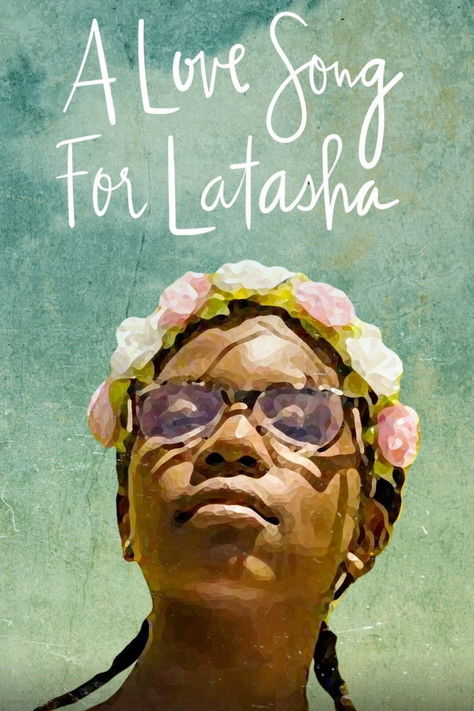
This 2019 documentary short film poetically explores the life and legacy of Latasha Harlins, a 15-year-old African American girl whose 1991 killing contributed to the Los Angeles riots. Through dreamlike visuals and intimate interviews with her cousin and best friend, the film creates a tender portrait that honors her memory while examining themes of racial injustice, grief, and community resilience.
Parent Guide
A sensitive documentary that handles difficult subject matter with artistic care, suitable for older children with parental discussion.
Content breakdown
Discusses real-life violence thematically but shows no graphic depictions. References to historical events that included violence.
Themes of loss and injustice may be emotionally challenging for sensitive viewers. Dreamlike presentation softens potentially disturbing content.
No offensive language noted in the documentary's conversational interviews.
No sexual content or nudity present.
No depiction or discussion of substance use.
Deals with grief, racial injustice, and community trauma. The artistic approach creates reflective rather than overwhelming emotional impact.
Parent tips
This documentary deals with mature themes including racial violence and loss, but presents them through a gentle, artistic lens. The TV-PG rating reflects its thoughtful approach. Best for children 8+ with parental guidance to discuss the historical context and emotional content. The 18-minute runtime makes it manageable for family viewing.
Parent chat guide
Parent follow-up questions
—
- What did you learn about how friends remember each other?
- How did the movie make you feel about remembering people we love?
- Why do you think the filmmaker used dreamlike visuals to tell this story?
- What does this film teach us about how communities respond to injustice?
- How does this documentary approach the topic of racial violence differently than news coverage?
- What contemporary connections can you make to Latasha Harlins' story?
🎭 Story Kernel
The film isn't a true-crime procedural about Latasha Harlins' 1991 murder, but a reclamation of her identity from that violent endpoint. It expresses how systemic erasure operates—when tragedy defines a life, the person disappears. The driving force is the community's refusal to let Latasha be reduced to a statistic or court case. Through her cousin and best friend's memories, we see a vibrant 15-year-old: ambitious, funny, protective, dreaming of becoming a lawyer. The movie argues that true justice begins with restoring full humanity, not just seeking legal verdicts. It's about the violence of how Black lives are memorialized—or forgotten—in media narratives.
🎬 Visual Aesthetics
Director Sophia Nahli Allison rejects true-crime aesthetics, using dreamlike reenactments instead of grim realism. The camera floats through sun-drenched Los Angeles neighborhoods, Latasha often depicted as a shimmering, semi-transparent figure—present yet absent. A recurring motif shows her braiding hair, an intimate act of care that becomes visual metaphor for weaving memory. The color palette leans into warm golds and deep blues, avoiding the desaturated tones of trauma porn. Archival VHS footage of 90s L.A. is interspersed with lyrical contemporary shots, creating a dialogue between past and present. Water imagery—pools, rain—suggests both cleansing and the fluidity of recollection.
🔍 Details & Easter Eggs
💡 Behind the Scenes
Director Sophia Nahli Allison initially turned down the project, fearing retraumatizing the community. She changed her mind after meeting Latasha's family and realizing they wanted celebration over exploitation. The film's dream sequences were shot on 16mm film to differentiate from archival footage. Many interviewees hadn't spoken publicly about Latasha in decades—the production created a therapeutic space for them. Allison collaborated with experimental musicians to create the score, avoiding traditional documentary music. The title deliberately echoes 'A Love Supreme,' framing the film as spiritual offering rather than investigation.
Where to watch
Choose region:
- Netflix
- Netflix Standard with Ads
Trailer
Trailer playback is unavailable in your region.