
A Radical Life (2022)
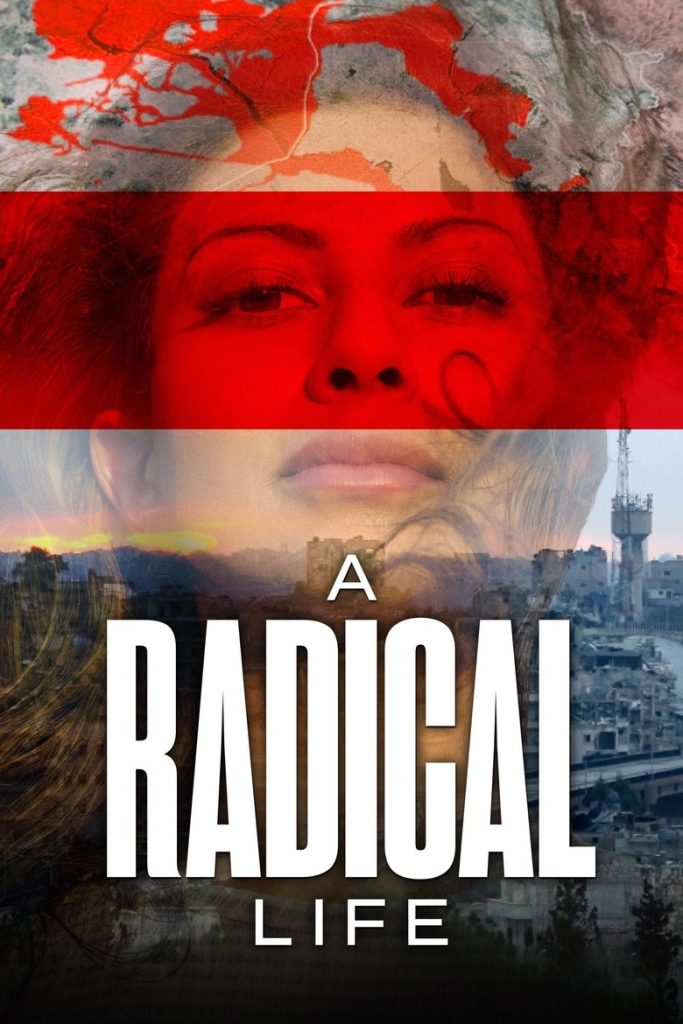
Story overview
This documentary provides an intimate portrait of Tania Joya, who spent twelve years as the wife of John Georgelas, the highest-ranking American member of ISIS. Through interviews and archival footage, it explores her journey from radicalization to eventual departure from extremist ideology, offering insights into the personal and psychological dimensions of involvement with terrorist organizations.
Parent Guide
This documentary about a former ISIS member's wife contains mature thematic material about terrorism and extremism. While not graphically violent, it deals with psychologically intense subject matter that requires emotional maturity to process.
Content breakdown
No graphic violence is shown, but there are discussions of terrorist activities, warfare, and the violent ideology of ISIS. References to real-world violence and its consequences are present throughout.
The subject matter is inherently disturbing as it deals with terrorism and radicalization. Discussions of extremist ideology and its real-world impacts may be unsettling. The psychological aspects of leaving a terrorist organization are explored in depth.
Standard documentary language. No strong profanity noted, but there may be occasional mild language related to the subject matter.
No sexual content or nudity present in this documentary.
No depiction or discussion of substance use.
High emotional intensity due to the serious nature of the subject matter. The film explores complex emotions related to radicalization, guilt, redemption, and personal transformation within the context of terrorism.
Parent tips
This documentary deals with mature themes related to terrorism, extremism, and radicalization. It includes discussions of violent ideologies and real-world consequences. While there is no graphic violence shown, the subject matter is intense and may be disturbing for younger viewers. Parents should preview this film and be prepared to discuss complex geopolitical and ethical issues with their children.
Parent chat guide
Parent follow-up questions
—
—
- What do you think makes someone join a group like ISIS?
- How do you think Tania felt when she realized she wanted to leave?
- Why is it important to think carefully about what we believe?
- What factors do you think contributed to Tania's radicalization?
- How does this documentary challenge stereotypes about people involved in extremist groups?
- What responsibility do individuals have when they realize they're part of a harmful movement?
- How can societies prevent radicalization while protecting freedom of belief?
🎭 Story Kernel
The film is not a biography but a meditation on the radical act of choosing a different pace of life. The protagonist's journey from corporate lawyer to subsistence farmer isn't driven by trauma or failure, but by a quiet, persistent questioning of what constitutes a meaningful life. The real conflict isn't man versus society, but consciousness versus inertia. The movie's brilliance lies in showing how her most radical act isn't the farming itself, but her deliberate deceleration in a world obsessed with acceleration. The final scene where she simply watches a sunrise for ten uninterrupted minutes is the film's true climax—not an achievement, but an arrival.
🎬 Visual Aesthetics
The cinematography employs a stark, observational style, with static wide shots that force the viewer to sit in the protagonist's new, expansive silence. The color palette undergoes a deliberate bleaching: the opening act is dominated by sterile blues and grays of office life, which gradually give way to the muted browns, greens, and golds of the rural landscape. There are no sweeping drone shots romanticizing nature; instead, handheld close-ups on hands in soil and feet on earth ground the story in tangible, unglamorous work. The most powerful visual motif is the recurring use of windows and doorframes, framing her old life as she looks out, then later framing the natural world as she looks in, signaling her complete spatial and psychological reorientation.
🔍 Details & Easter Eggs
💡 Behind the Scenes
The lead actress, in preparation, spent three months living and working on the organic farm that serves as the primary location, performing all the agricultural tasks seen on screen without a double. The director mandated that all scenes in the corporate setting be shot with artificial lighting, while all rural scenes use only natural light, a technical choice that deeply informs the film's visual dichotomy. The script was famously minimalist; the actress revealed in interviews that over half of her lines were improvised reactions to the actual environment and weather conditions during filming.
Where to watch
Choose region:
- HBO Max
- Discovery +
Trailer
Trailer playback is unavailable in your region.