
A Silent Voice: The Movie (2016)
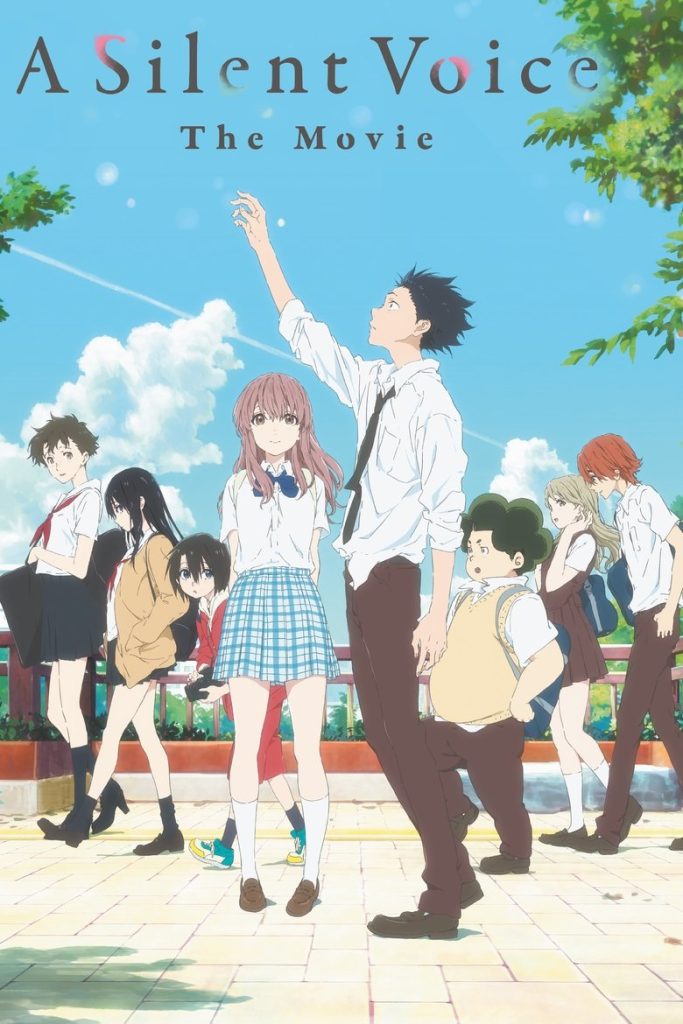
Story overview
A Silent Voice: The Movie is an animated drama about a boy named Shouya Ishida who bullies a deaf classmate, Shouko Nishimiya, in elementary school. Years later, haunted by guilt over his past actions, Shouya seeks out Shouko to make amends and find redemption. The film explores themes of bullying, forgiveness, and the long-term impact of childhood cruelty through emotional storytelling and character development.
Parent Guide
An emotionally intense animated drama about bullying and redemption, best suited for mature tweens and teens who can handle serious themes.
Content breakdown
No physical violence shown, but includes emotional bullying, social exclusion, and brief scenes suggesting self-harm/suicide ideation (not graphic).
Emotionally intense scenes of bullying, guilt, depression, and social anxiety. Characters experience emotional distress that may be disturbing to sensitive viewers.
No strong profanity, but includes hurtful comments and bullying language typical of school settings.
No sexual content or nudity present.
No substance use shown.
High emotional intensity throughout dealing with guilt, redemption, depression, social anxiety, and the psychological effects of bullying.
Parent tips
This film deals with serious themes of bullying, guilt, and redemption that may be intense for younger viewers. Parents should be aware that the movie depicts emotional bullying, social isolation, and characters struggling with self-worth and depression. The animation style is beautiful but the content is mature, focusing on psychological and emotional consequences rather than physical action.
While there's no graphic violence or explicit content, the emotional weight and themes of suicide ideation (briefly implied) make it more suitable for older children and teens. The film handles these topics with sensitivity and ultimately promotes messages of empathy, communication, and personal growth, but requires emotional maturity to process.
Parent chat guide
During viewing, be available to answer questions about why characters behave as they do, and point out how the film shows communication challenges and emotional struggles. Pause if needed to check in about how scenes make your child feel.
After watching, focus conversations on the film's positive messages about forgiveness, empathy, and personal growth. Ask open-ended questions about what your child learned from the characters' journeys and how the story might relate to real-life situations they've observed or experienced.
Parent follow-up questions
- How did the characters show they were friends?
- What made you feel happy or sad in the movie?
- How do you think people should treat each other?
- What did you learn about being kind?
- How do people show they're sorry?
- Why do you think Shouya bullied Shouko at first?
- How did the characters' feelings change throughout the story?
- What does it mean to forgive someone?
- How can we be better friends to people who are different?
- What did you learn about how our actions affect others?
- How does the movie show the long-term effects of bullying?
- What does redemption mean to you after watching this film?
- How do the characters communicate their feelings without words?
- What responsibilities do we have when we've hurt someone?
- How does the film handle themes of depression and self-worth?
- How does the film explore the psychology of both bully and victim?
- What does the movie say about societal attitudes toward disability?
- How effective is the film's approach to themes of suicide and depression?
- What does genuine atonement look like according to the story?
- How does the animation style enhance the emotional storytelling?
🎭 Story Kernel
At its core, 'A Silent Voice' explores the profound isolation created by communication breakdowns—not just between the deaf Shoko and her hearing peers, but within the bully Shoya himself. The film argues that true connection requires vulnerability beyond words: Shoya's journey from tormentor to protector isn't about atonement, but about learning to see himself as worthy of being seen. The characters are driven by shame—Shoya's self-loathing, Shoko's belief she's a burden, even side characters' complicity in bullying. Their redemption comes not through grand gestures, but through small, persistent acts of presence: sitting together, learning sign language, facing each other literally and metaphorically.
🎬 Visual Aesthetics
The film's visual language masterfully externalizes internal states. Director Naoko Yamada uses extreme close-ups on eyes and mouths during conversations, emphasizing the gap between spoken words and unspoken feelings. The 'X' marks over characters' faces represent Shoya's self-imposed isolation—they disappear as he reconnects. Water imagery flows throughout: rivers, rain, the pool scene, culminating in the bridge sequence where Shoya literally pulls Shoko from drowning. The color palette shifts from muted, washed-out tones during Shoya's depression to warmer hues as relationships mend. Camera angles often place characters at a distance, visually reinforcing their emotional separation before gradually bringing them into shared frames.
🔍 Details & Easter Eggs
💡 Behind the Scenes
Director Naoko Yamada insisted the voice actors for Shoko Nishimiya learn basic sign language to authentically portray the character's communication style. The film's composer, Kensuke Ushio, created a soundtrack using minimalist piano and ambient sounds to mirror the protagonist's emotional isolation. Kyoto Animation, known for detailed background art, meticulously researched actual locations in Ōgaki, Gifu Prefecture, where the story is set—even matching seasonal foliage to timeline accuracy. The film condenses Yoshitoki Ōima's seven-volume manga while preserving its nuanced exploration of disability and bullying.
Where to watch
Choose region:
- Amazon Video
- Apple TV
- Google Play Movies
- YouTube
- Fandango At Home
Trailer
Trailer playback is unavailable in your region.