
A Summer’s Tale (1996)
Story overview
A Summer's Tale is a 1996 romantic drama comedy film. It follows characters navigating relationships and personal growth during a summer season. The story explores themes of love, friendship, and self-discovery in a gentle, thoughtful manner.
Parent Guide
A gentle romantic drama suitable for family viewing with mild thematic elements.
Content breakdown
No violence or physical peril depicted.
No frightening or disturbing content.
No offensive language expected in G-rated film.
Mild romantic themes and relationships.
No substance use depicted.
Mild emotional moments related to relationships.
Parent tips
This G-rated film is suitable for most audiences with its mild romantic themes. Parents of younger children should be aware that while there's no explicit content, the relationship dynamics might require some explanation. The film's slower pace and character-driven narrative may be less engaging for very young viewers.
Parent chat guide
Parent follow-up questions
- What was your favorite part of the movie?
- How did the characters show they were friends?
- What colors did you see in the summer scenes?
- How did the characters solve their problems?
- What makes a good friend in the movie?
- How did the summer setting affect the story?
- What did the characters learn about themselves?
- How did communication help or hurt relationships?
- What would you do differently than the characters?
- How does the film portray realistic relationships?
- What themes about personal growth did you notice?
- How does the summer setting symbolize change?
🎭 Story Kernel
Éric Rohmer's film is less a love triangle than a geometry of hesitation. The protagonist, Gaspard, isn't driven by passion but by an inability to commit, treating three women as options in a summer-long algorithm of indecision. The movie explores how romantic possibility becomes a prison—the freedom to choose paralyzes him into choosing nothing. Each woman represents a different path (adventure, stability, fantasy), yet he approaches them all with the same detached calculation. The real conflict isn't between the women, but within Gaspard's own passivity, making his eventual departure not a resolution but an admission that some equations remain unsolved.
🎬 Visual Aesthetics
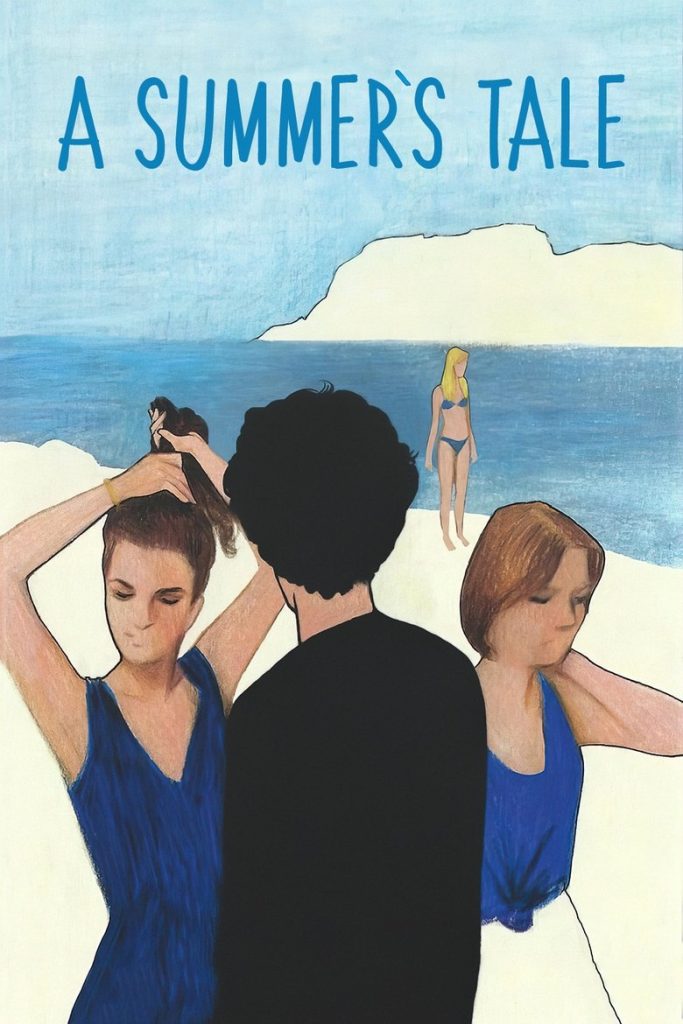
Rohmer employs a deceptively simple visual language where the camera acts as a discreet observer rather than a manipulator. The Brittany coastline isn't romanticized but presented as a realistic backdrop of modest beaches and small-town streets. Natural lighting dominates, with the summer sun exposing rather than beautifying. The color palette leans toward muted blues, sandy tones, and the practical clothing of everyday French youth. Camera movements are minimal and observational, mirroring Gaspard's passive nature. The visual restraint makes moments of emotional significance—like Margot's disappointed expression—land with quiet devastation.
🔍 Details & Easter Eggs
💡 Behind the Scenes
The film was shot chronologically over the summer of 1995 in Dinard, Brittany, with Rohmer insisting on using natural light and local non-professional extras to maintain authenticity. Actor Melvil Poupaud (Gaspard) actually learned basic guitar for the role but wasn't a musician, mirroring his character's amateurish relationship with the instrument. The three female leads were relatively unknown at the time, chosen specifically for their natural presence rather than star power. Rohmer famously worked with tiny crews and minimal equipment, creating an intimate atmosphere that allowed for the film's remarkably naturalistic performances.
Where to watch
Choose region:
- HBO Max
- HBO Max Amazon Channel
- Criterion Channel
- Amazon Video
- Apple TV
- Google Play Movies
- YouTube
- Fandango At Home
Trailer
Trailer playback is unavailable in your region.