
Aaviri (2019)
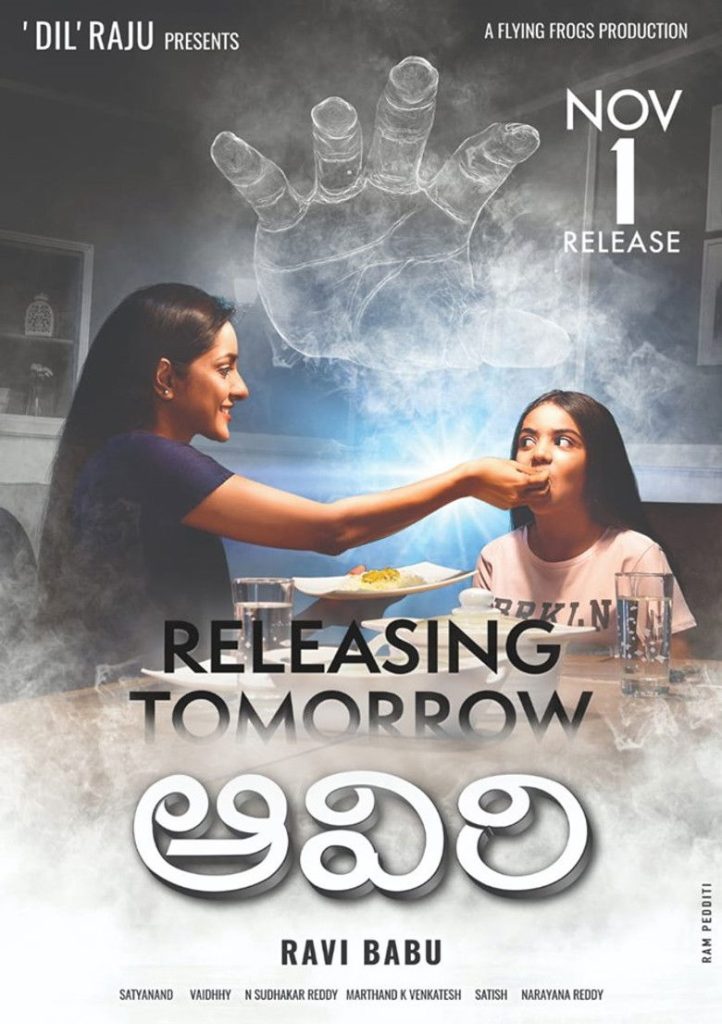
Story overview
Aaviri is a 2019 drama-thriller film. The movie explores tense situations and psychological elements typical of the thriller genre. It likely involves characters facing challenging circumstances that create suspense and emotional depth.
Parent Guide
A drama-thriller that likely contains psychological tension and emotional intensity. Conservative rating due to genre conventions and lack of specific content details.
Content breakdown
Thriller genre typically includes suspenseful situations and potential peril, though specific violence details unknown
Psychological thrillers often contain tense, unsettling moments that could disturb sensitive viewers
Unknown content, but drama-thrillers may include occasional strong language
Unknown content, but genre typically focuses on psychological elements rather than sexual content
Unknown content, but characters in stressful situations might be shown using substances
Drama-thriller combination suggests significant emotional tension and complex character relationships
Parent tips
Since specific content details aren't provided, parents should be aware that drama-thriller films often contain intense emotional situations, suspenseful moments, and potentially mature themes. Consider previewing the film or checking detailed reviews before watching with children. The thriller elements may include psychological tension that could be unsettling for younger viewers.
Parent chat guide
Parent follow-up questions
- What was your favorite part of the movie?
- How did the characters feel when they were scared?
- What would you do if you felt worried like the characters?
- What challenges did the main characters face?
- How did the characters solve their problems?
- What did you learn about being brave from this movie?
- How did the music make you feel during tense scenes?
- What themes about human nature did you notice in the film?
- How did the director create suspense without showing violence?
- What would you have done differently than the characters?
- How does this movie compare to other thrillers you've seen?
- What psychological elements made this thriller effective?
- How did the film use cinematography to create mood?
- What social or emotional commentary might the director be making?
- How does this film handle moral ambiguity compared to others in the genre?
🎭 Story Kernel
At its core, Aaviri explores the psychological fragmentation caused by unresolved trauma. The protagonist's journey isn't about finding external answers but confronting how memory distorts reality. The film suggests that what we remember—and what we suppress—ultimately defines our identity more than objective truth. Characters are driven not by conventional goals but by the desperate need to reconcile their fractured pasts with an unbearable present. The narrative structure itself mirrors this psychological state, with timelines bleeding into each other until the distinction between memory, dream, and reality dissolves completely.
🎬 Visual Aesthetics
The cinematography employs a deliberately muted color palette dominated by desaturated blues and grays, visually reinforcing the protagonist's emotional detachment. Camera movements are often slow and deliberate, with lingering close-ups that force viewers into uncomfortable intimacy with characters' internal states. The few moments of vibrant color—like the recurring red thread—serve as visual anchors in an otherwise unstable reality. The film's most striking visual choice is its use of shallow depth of field, keeping backgrounds intentionally blurred to mirror how trauma narrows one's perception of the world.
🔍 Details & Easter Eggs
💡 Behind the Scenes
The lead actor reportedly spent weeks in isolation to prepare for the role, communicating only through written notes with the director to maintain the character's emotional state. Several key scenes were filmed in a single continuous take, requiring over 30 attempts to perfect. The haunting musical score was composed using modified recordings of everyday objects from the protagonist's childhood home, including a creaking door and wind chimes mentioned in dialogue.
Where to watch
Choose region:
- Netflix
- Netflix Standard with Ads
Trailer
Trailer playback is unavailable in your region.