
Abducted in Plain Sight (2017)
Story overview
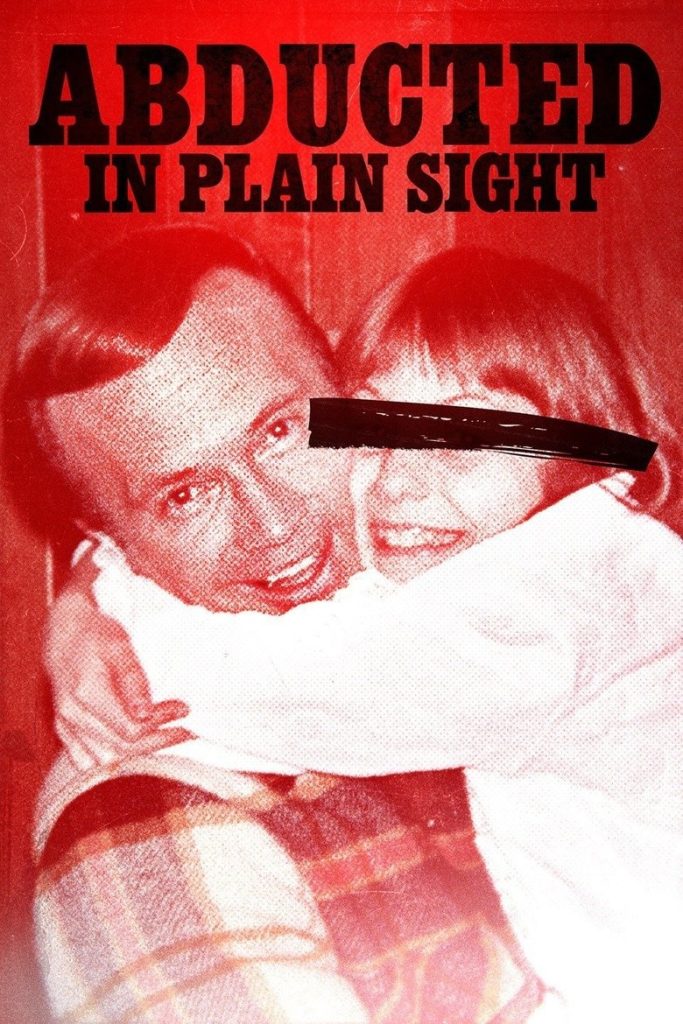
This documentary examines the true story of the Broberg family, whose neighbor manipulated and abducted their 12-year-old daughter twice in the 1970s. It explores themes of grooming, deception, and family vulnerability through interviews and archival footage.
Parent Guide
A disturbing true crime documentary about child abduction and manipulation. Best for mature teens with parental guidance due to intense emotional content.
Content breakdown
No physical violence shown, but descriptions of abduction, confinement, and psychological manipulation. Tense reenactments of threatening situations.
Extremely disturbing content about child abduction, grooming, and sexual abuse (described verbally, not shown). Psychological manipulation of both child and parents creates intense unease.
Occasional mild profanity in interviews. No strong or frequent offensive language.
Detailed discussions of sexual abuse and manipulation, though no explicit visuals. References to inappropriate relationships and sexual coercion.
No depiction or discussion of substance use.
High emotional intensity throughout. Parents recount traumatic events with visible distress. Themes of betrayal, guilt, and family trauma are central.
Parent tips
Watch with teens to discuss grooming tactics and family safety. The film contains emotional interviews about trauma. Be prepared to address how predators manipulate trust.
Parent chat guide
Parent follow-up questions
—
—
- What should you do if an adult asks you to keep a secret from your parents?
- Who are safe adults you can talk to if something feels wrong?
- How do predators manipulate both children and adults? What societal factors in the 1970s might have affected this case? How has child protection evolved since then?
🎭 Story Kernel
The film's true horror isn't the abduction itself, but the systematic dismantling of a family's protective instincts through psychological manipulation. It exposes how predator Robert Berchtold weaponized trust, exploiting the Brobergs' Mormon faith and suburban naivety to create a perfect storm of compliance. The core theme reveals how evil can wear the mask of friendship, and how our deepest vulnerabilities—desire for connection, fear of social judgment—can be turned against us. This isn't just a crime story; it's a case study in how predators infiltrate not just homes, but minds.
🎬 Visual Aesthetics
The documentary employs a deceptively simple visual approach—talking head interviews, home movies, and reenactments—that mirrors the predator's methodology: hiding in plain sight. The warm, nostalgic home video footage creates chilling contrast with the horrific narrative, emphasizing how danger can exist within familiar frames. Reenactments are deliberately restrained, avoiding sensationalism to focus on psychological tension. The camera lingers on family photos and suburban settings, making us search for clues in ordinary scenes, much like the family failed to see the threat in their everyday lives.
🔍 Details & Easter Eggs
💡 Behind the Scenes
The documentary's impact stems from its raw authenticity—the Broberg family participated extensively, with Jan Broberg (the victim) serving as both subject and producer. Much of the home movie footage comes from the family's actual archives, making the horror more visceral. Director Skye Borgman deliberately avoided dramatic reenactments, instead using subtle visual cues to emphasize psychological manipulation. The film's power comes from its refusal to sensationalize, letting the family's own words and archival material tell a story that feels both unbelievable and terrifyingly plausible.
Where to watch
Choose region:
- Netflix
- Netflix Standard with Ads
- Tubi TV
- Amazon Video
- Apple TV Store
- Google Play Movies
- YouTube
- Fandango At Home
Trailer
Trailer playback is unavailable in your region.