
Adnan Syed: Overturned (2022)
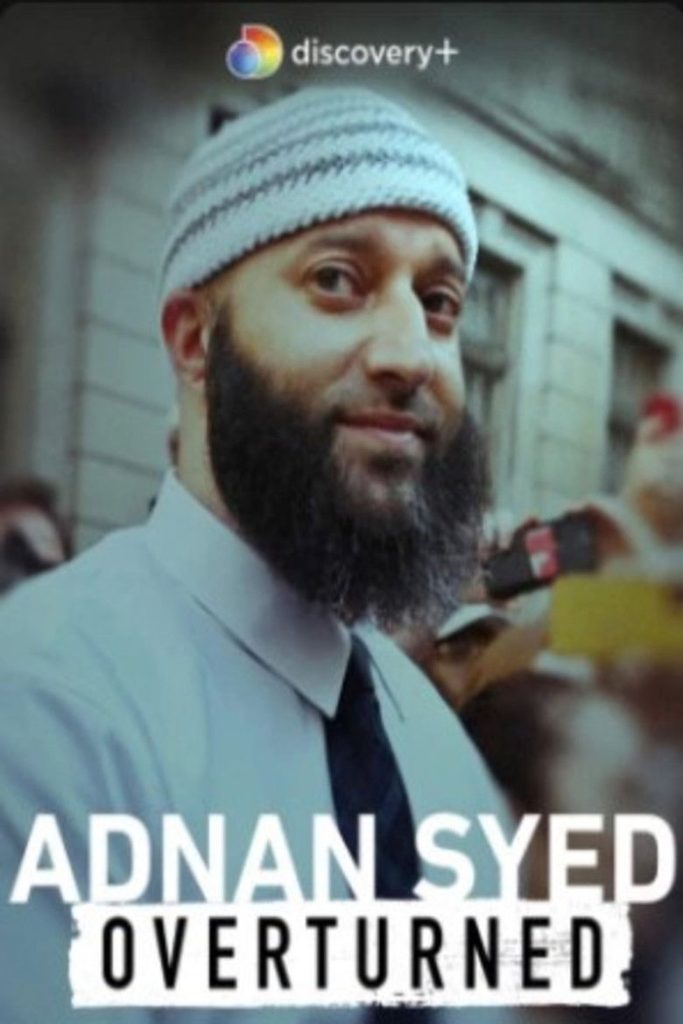
Story overview
This 2022 documentary examines the Adnan Syed case, focusing on how investigative journalism contributed to reopening a long-closed murder conviction. It follows the legal developments that led to Syed's release, emphasizing the role of media scrutiny in the justice system.
Parent Guide
A documentary examining a high-profile murder case and subsequent legal developments. Contains discussions of crime, imprisonment, and justice system processes. Best suited for mature viewers who can handle complex legal and ethical topics.
Content breakdown
Discussions of murder and violence, but no graphic depictions. References to criminal acts and legal consequences.
Themes of wrongful imprisonment, justice system failures, and the emotional impact of long-term incarceration may be disturbing to some viewers.
No offensive language noted in documentary content.
No sexual content or nudity.
No depiction or discussion of substance use.
Deals with serious themes of justice, freedom, and the emotional toll of wrongful conviction. May provoke strong reactions about fairness and legal systems.
Parent tips
This documentary deals with mature themes of wrongful conviction, murder, and legal processes. It may be suitable for older children and teenagers who can understand complex social issues, but parents should preview it to assess appropriateness for their family. Consider discussing the concepts of justice, media influence, and perseverance.
Parent chat guide
Parent follow-up questions
—
- What do you think 'investigation' means?
- How do people find out what really happened?
- Why do you think some cases get reopened after many years?
- What role do you think journalists should play in criminal justice?
- How does media coverage influence public perception of legal cases?
- What systemic issues might lead to wrongful convictions?
- What ethical considerations should journalists follow when covering criminal cases?
🎭 Story Kernel
The film's core isn't about solving a murder, but dissecting how truth becomes collateral damage in institutional failure. It expresses how confirmation bias, prosecutorial overreach, and media sensationalism conspired to create a 'narrative' of guilt that reality couldn't support. The driving force isn't Adnan's quest for freedom, but the system's desperate, almost gravitational pull to preserve its original flawed conclusion, revealing a justice mechanism more invested in finality than accuracy. It's a chilling portrait of how easily facts can be bent to fit a pre-written story when the stakes are high enough.
🎬 Visual Aesthetics
The visual language is deliberately claustrophobic and archival. The camera lingers on faces—especially Adnan's, shifting from a teenage boy in grainy news footage to a weathered man in the sterile interview room—creating a powerful, wordless timeline of lost years. A muted, often grim color palette of institutional grays and blues dominates, mirroring the cold bureaucracy of the court system. Key moments use tight close-ups on legal documents or evidence photos, forcing the viewer to scrutinize the same fragments the jury did, visually emphasizing how perspective shapes truth.
🔍 Details & Easter Eggs
💡 Behind the Scenes
The documentary team gained unprecedented access to Adnan Syed and his legal team during the final years of his appeal. Much of the contemporary interview footage with Adnan was filmed in the actual legal offices where his case was prepared. Notably, some of the archival news footage was sourced from local Baltimore TV affiliates, providing a raw, unfiltered look at the media frenzy that originally surrounded the case. The filmmakers intentionally avoided re-enactments, using only original evidence photos, court sketches, and documentary footage to maintain strict factual integrity.
Where to watch
Choose region:
- HBO Max
- Discovery +