
Adú (2020)
Story overview
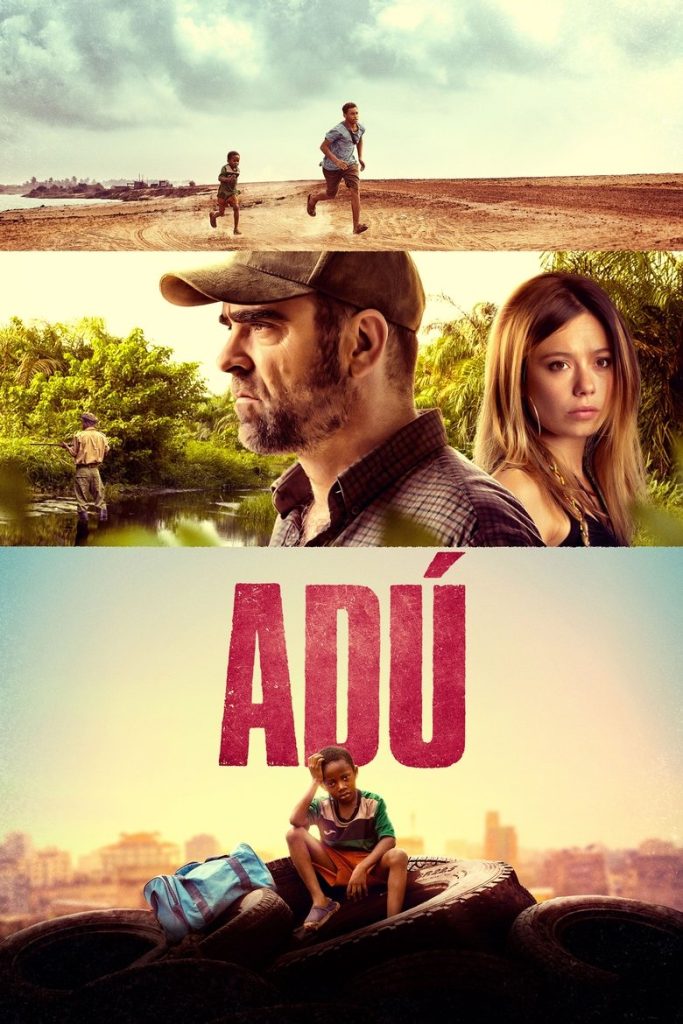
Adú is a 2020 Spanish drama that interweaves three stories about migration, environmentalism, and family. It follows a six-year-old boy and his sister attempting a dangerous journey from Cameroon to Europe, an environmental activist in Africa confronting poaching while reconnecting with his daughter, and Spanish civil guards facing a migrant assault on a border fence in Melilla. The film explores themes of desperation, sacrifice, and interconnected human struggles.
Parent Guide
A powerful, emotionally intense drama about migration and environmental crises, with realistic peril and some violence. Suitable for mature viewers who can handle complex themes.
Content breakdown
Scenes include a dead elephant (poached, shown with tusks removed), tense border confrontations with guards and migrants, children hiding in dangerous conditions, and implied threats. No graphic gore, but realistic peril.
Disturbing themes of child endangerment, desperation, and animal death. Emotional scenes of family separation and survival struggles. May be upsetting for sensitive viewers.
Occasional mild profanity in Spanish (subtitled). No strong or frequent swearing.
No sexual content or nudity.
No depiction of substance use.
High emotional intensity due to themes of survival, loss, and moral dilemmas. Characters face life-and-death situations, creating sustained tension.
Parent tips
This film deals with intense, real-world issues including child endangerment, migration dangers, poaching violence, and border conflicts. It contains scenes of peril, emotional distress, and some violence that may be disturbing. Best for mature tweens and teens who can process complex social issues. Watch together to discuss the themes afterward.
Parent chat guide
Parent follow-up questions
—
- How did you feel when the children were hiding? What would you do if you had to leave your home?
- Why do you think the boy and his sister took such risks? How are the three stories connected? What did the film teach you about migration?
- How does the film portray systemic issues vs. individual choices? What ethical dilemmas did the activist face? How might the film's themes relate to current global events?
🎭 Story Kernel
At its core, 'Adú' is a triptych exploring the dehumanizing mechanics of migration through three distinct perspectives: the innocent desperation of a child, the moral decay of authority, and the bureaucratic indifference of systems. The film argues that the real tragedy isn't the perilous journey itself, but the societal rot that makes such journeys necessary and the compassion fatigue that greets survivors. Adú's drive is primal survival and familial love, while Gonzalo's is a crumbling attempt to reclaim purpose through environmental activism, and Mateo's represents the system's cold, procedural response to human crisis. Their converging fates illustrate how these worlds—personal, activist, institutional—are interconnected yet tragically isolated.
🎬 Visual Aesthetics
Director Salvador Calvo employs a stark, contrasting visual language to separate the three narratives. The sequences in Melilla and the Moroccan desert are washed in harsh, bleached yellows and dusty browns, emphasizing exposure and desolation. The Cameroon jungle, where Gonzalo operates, is captured in deep, saturated greens, creating a claustrophobic, consuming atmosphere. The airport and detention center scenes use sterile, cold blues and grays, visually manifesting institutional indifference. Handheld camerawork dominates the migrant journeys, creating visceral instability, while more static, composed shots frame the bureaucratic scenes, highlighting their emotional distance. The film's most powerful visual motif is the recurring barrier: the fence, the jungle, the airport glass, all framing characters in cages of circumstance.
🔍 Details & Easter Eggs
💡 Behind the Scenes
The young actor playing Adú, Moustapha Oumarou, was a first-time actor discovered during casting in Niger. His authentic performance was guided through improvisation and play rather than strict scripting. The harrowing desert and crossing sequences were filmed in the Moroccan Sahara near the actual Melilla border region, with many extras being real migrants or locals familiar with the terrain. Luis Tosar (Gonzalo) prepared by spending time with real environmental activists in Africa. The film's triptych structure was a deliberate challenge, requiring meticulous editing to balance the three storylines without losing emotional momentum, a process the director compared to 'weaving three different films into one heartbeat.'
Where to watch
Choose region:
- Netflix
- Netflix Standard with Ads