
Air Jaws: Sharks of South Africa (2001)
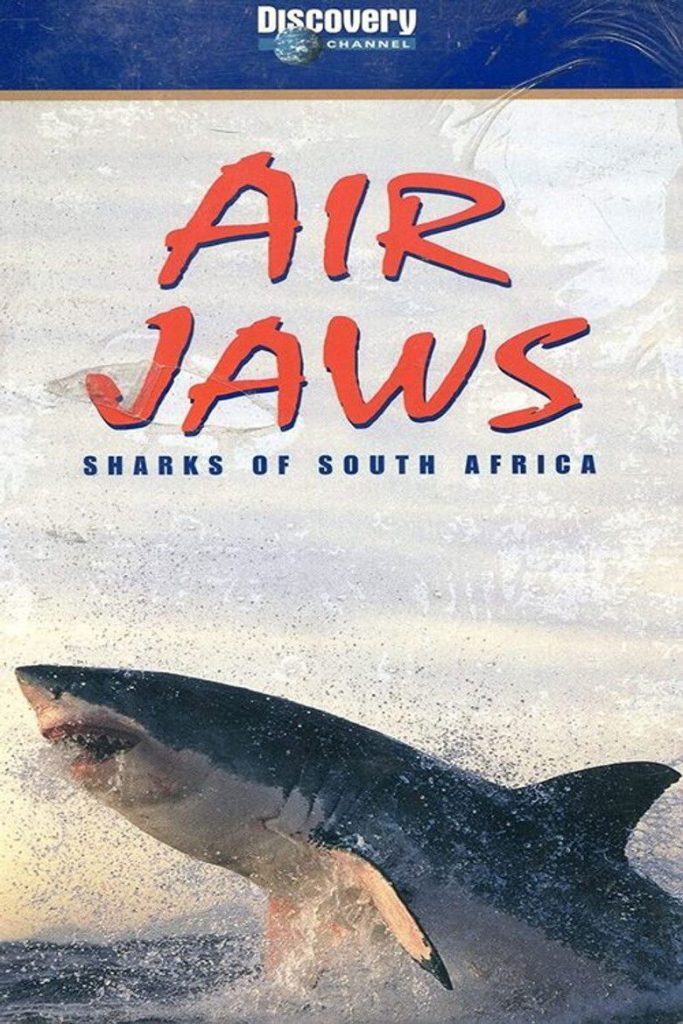
Story overview
Air Jaws: Sharks of South Africa is a 2001 documentary TV movie that explores the fascinating phenomenon of great white sharks breaching the water's surface in South African waters. The film combines action-oriented footage with scientific documentary elements to showcase these impressive marine predators in their natural habitat. It focuses on the unique hunting behaviors and aerial displays of these sharks without dramatizing or fictionalizing events.
Parent Guide
Educational documentary about great white sharks with natural predator behavior footage. Suitable for children comfortable with nature documentaries showing animal hunting.
Content breakdown
Natural predator-prey interactions shown, including sharks hunting seals. No human violence or manufactured peril.
Large sharks shown in action may be intense for sensitive viewers. Natural hunting sequences without graphic details.
Documentary narration with educational focus, no offensive language expected.
No sexual content or nudity present in this nature documentary.
No substance use depicted in this wildlife documentary.
Educational tone with moments of natural animal action. May excite but not typically distress viewers comfortable with nature documentaries.
Parent tips
This documentary presents real footage of great white sharks in their natural environment, which may be intense for younger or sensitive viewers. The sharks are shown hunting and breaching, which could be perceived as scary despite being natural behavior. Parents should consider their child's comfort level with predator-prey relationships in nature documentaries before viewing.
Since this is a documentary rather than a fictional film, the content is educational but presents real predators in action. The film doesn't contain manufactured scares or dramatic music designed to frighten viewers, but the inherent power and size of great white sharks might be overwhelming for some children. The documentary approach means there's no storyline with characters in peril, just observational footage of wildlife.
Parent chat guide
For children who express fear, reassure them that the footage shows sharks in their natural environment far from where people typically swim. You can explain that documentaries help us understand animals better, which actually makes them less scary over time. Consider watching together so you can pause to answer questions about what's being shown.
Parent follow-up questions
- What did you think about the big fish jumping out of the water?
- What colors did you see in the ocean?
- Did you learn anything new about fish?
- How do you think the fish feel when they jump?
- Would you like to see real fish like that someday?
- What was the most interesting thing you learned about sharks from this movie?
- Why do you think the sharks jump out of the water like that?
- How do scientists study animals like sharks safely?
- What other ocean animals might live near these sharks?
- How can we help protect animals like sharks in the ocean?
- What hunting strategies did you observe the sharks using in the documentary?
- How does this documentary help change people's perceptions of sharks?
- What adaptations make great white sharks effective predators?
- Why is South Africa a particularly good place to observe this shark behavior?
- What questions would you ask a marine biologist about these sharks?
- How does this documentary balance educational content with dramatic footage?
- What ethical considerations should filmmakers have when documenting predator behavior?
- How might climate change or human activity affect these shark populations?
- What scientific methods were likely used to capture this footage safely?
- How does this documentary contribute to shark conservation efforts?
🎭 Story Kernel
The film isn't just about sharks—it's about the human obsession with documenting nature's most terrifying spectacles. The real narrative tension comes from the filmmakers' own addiction to capturing the perfect breach, turning themselves into bait in a high-stakes game of patience versus instinct. We witness not just sharks hunting seals, but humans hunting footage, creating a meta-commentary on nature documentary ethics. The driving force is this dangerous dance between predator and observer, where the line between scientific study and thrill-seeking blurs with every spectacular leap from the water.
🎬 Visual Aesthetics
The cinematography masterfully alternates between breathtaking aerial shots and tense underwater perspectives, creating a disorienting sense of spatial awareness that mirrors the seals' vulnerability. Slow-motion sequences of breaches aren't just spectacle—they're forensic examinations of biomechanics, revealing every muscle contraction and water droplet. The color palette shifts dramatically: serene blue surface shots give way to chaotic, blood-tinged action sequences. Most striking are the low-angle shots from the shark's perspective, making the ocean surface appear as a shimmering, penetrable ceiling rather than a boundary.
🔍 Details & Easter Eggs
💡 Behind the Scenes
The production team spent over 300 hours at sea for approximately 12 minutes of usable breach footage. Local South African shark researchers consulted on the project revealed that the 'Air Jaws' phenomenon was first documented by fishermen in the 1990s, not scientists. Most filming occurred around Seal Island in False Bay, where water temperatures and seal populations create ideal conditions. The crew used custom-built, shark-proof camera cages that could be raised and lowered quickly—essential when great whites can approach at 35 mph. Interestingly, several crew members were former surfers who'd survived shark encounters.
Where to watch
Choose region:
- HBO Max
- Discovery +