
Alien Sharks: Ghosts of Japan (2024)
Story overview
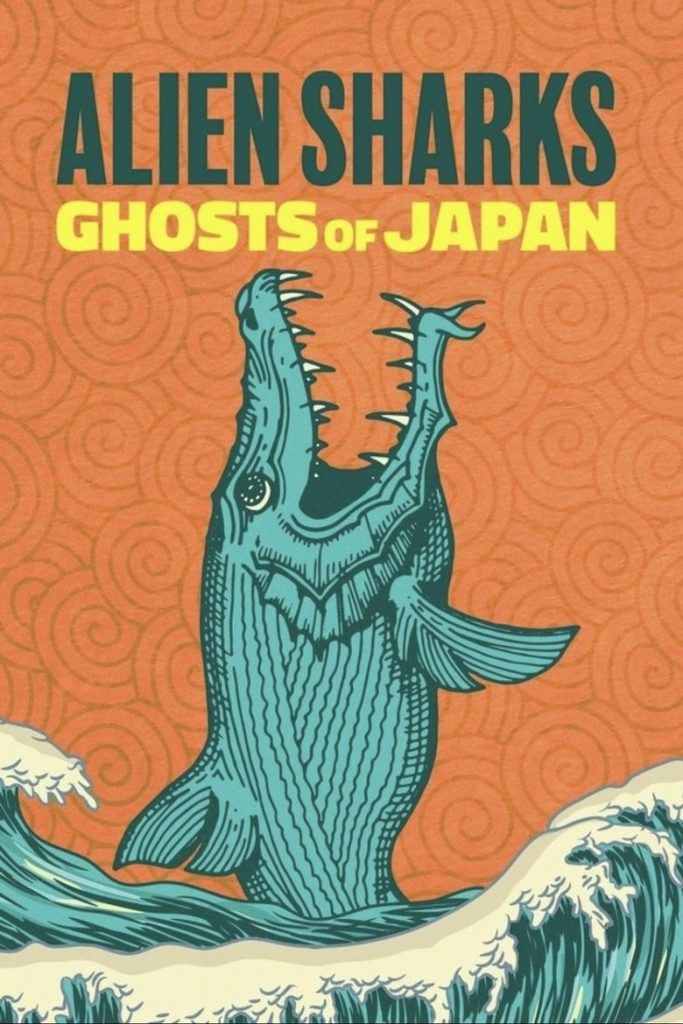
This 2024 documentary follows wildlife biologist Forrest Galante as he explores the mysterious underwater world of Japan's oceans. Teaming with deep sea shark expert Christina de Silva, they embark on a scientific quest to find the extremely rare Japanese angelshark, known as 'the ghost of the sea.' The film showcases marine biology research, underwater exploration, and the unique creatures inhabiting Japan's coastal waters.
Parent Guide
Educational documentary about marine biology research with no concerning content. Suitable for most children with interest in science and nature.
Content breakdown
May include natural scenes of sharks feeding on fish, but presented in a scientific context without graphic violence. No human peril shown.
Some children might find deep ocean scenes or shark footage intimidating, but the tone is educational rather than frightening. The 'ghost' reference is metaphorical.
No inappropriate language. Scientific terminology used throughout.
No sexual content or nudity.
No substance use shown.
Mild excitement during discoveries. No intense emotional scenes.
Parent tips
This educational documentary focuses on marine biology and scientific exploration. While sharks are featured, they're presented in a factual, non-sensational manner. The 'ghost' reference in the title refers to the shark's elusive nature, not supernatural elements. The underwater footage is beautiful but may include some scenes of sharks feeding naturally. Best for children interested in science and ocean life.
Parent chat guide
Parent follow-up questions
- Did you see any fish that looked funny?
- What colors did you see in the ocean?
- Would you like to go swimming with the sharks?
- What tools did the scientists use to study the sharks?
- Why is the Japanese angelshark called a 'ghost'?
- What did you learn about how sharks live in the ocean?
- How do scientists track and study elusive marine animals?
- What adaptations help deep sea sharks survive in their environment?
- Why is biodiversity important in ocean ecosystems?
- What conservation challenges do rare marine species like the Japanese angelshark face?
- How does this documentary's approach to sharks differ from typical media portrayals?
- What ethical considerations exist in studying and filming endangered marine life?
🎭 Story Kernel
Alien Sharks: Ghosts of Japan transcends the typical nature documentary by framing deep-sea exploration as a search for living history. The core theme revolves around the concept of living fossils—creatures like the Frilled shark and Goblin shark that have survived virtually unchanged for millions of years. It explores the biological persistence of these species in the extreme environments of Japan's deep-sea trenches. The narrative is not just about the hunt for rare footage; it is an examination of how these ghosts of the past continue to haunt the modern ocean. By bridging the gap between ancient evolutionary paths and contemporary marine biology, the film expresses a profound respect for the endurance of life in the abyss, highlighting the fragility and mystery of an ecosystem that remains largely untouched and misunderstood by human presence.
🎬 Visual Aesthetics
The cinematography utilizes advanced low-light camera technology to capture the eerie, ethereal beauty of the bathypelagic zone. The visual palette is dominated by the oppressive blacks of the deep ocean, punctuated by the startling, alien-like features of the sharks. There is a deliberate focus on the grotesque elegance of the creatures—the translucent skin of the Goblin shark and the serpentine movements of the Frilled shark. The use of macro-cinematography reveals textures that feel otherworldly, emphasizing the alien branding of the series. Symbolically, the visuals treat the ocean floor as a time capsule, where the lighting mimics the discovery of a long-lost relic. The contrast between the surface world and the silent, pressurized depths creates a sense of cosmic horror successfully transformed into scientific wonder.
🔍 Details & Easter Eggs
💡 Behind the Scenes
This special features renowned wildlife biologist and adventurer Forrest Galante, who has made a career out of searching for extinct or rare species. It was produced as a flagship program for Discovery Channel’s 35th annual Shark Week in 2023. The filming took place in the deep waters of Japan, specifically targeting the Suruga Bay area, which is known for its extreme depths and unique marine biodiversity. The Alien Sharks franchise is a recurring fan favorite, known for shifting the focus from common predators like Great Whites to the more obscure, bizarre inhabitants of the deep ocean.
Where to watch
Choose region:
- HBO Max
- Discovery +