
All Eyez on Me (2017)
Story overview
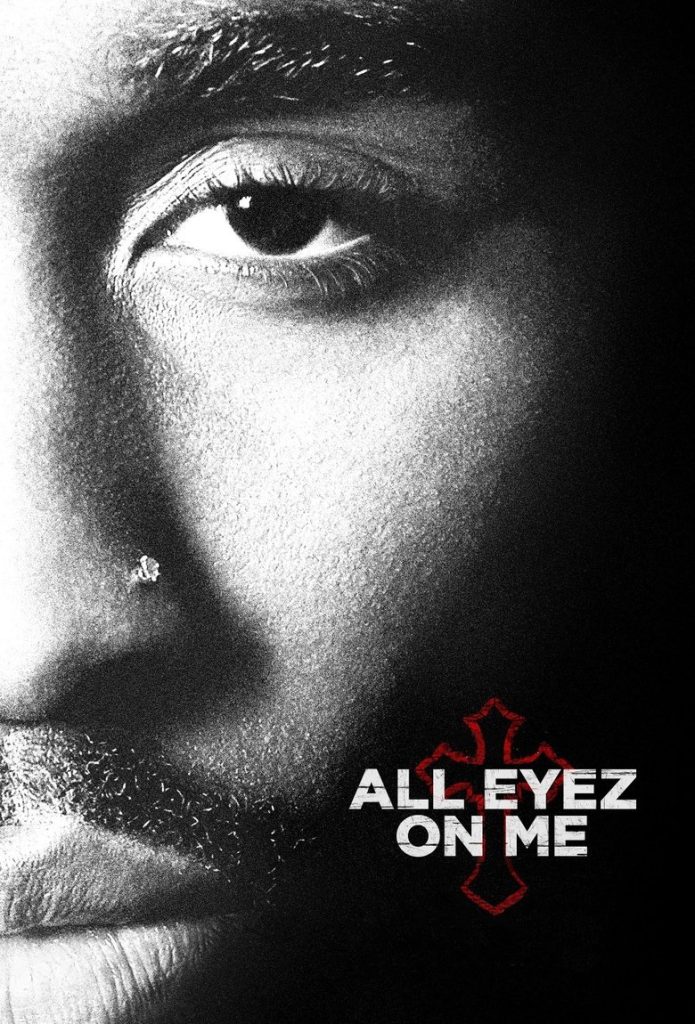
This biographical drama chronicles the life of influential rapper and activist Tupac Shakur, from his early artistic development through his rise to fame, legal troubles, and controversial time at Death Row Records. The film explores themes of artistic expression, social justice, systemic oppression, and the complexities of fame, while depicting the violence and challenges of the hip-hop industry in the 1990s.
Parent Guide
R-rated biographical drama with mature content throughout. Contains strong language, violence, drug use, sexual content, and themes of systemic oppression. Best for mature high school students with parental guidance and discussion.
Content breakdown
Frequent violence including shootings, physical assaults, prison fights, and gang violence. Multiple scenes show characters being shot, beaten, or threatened. Depictions of police brutality and incarceration. Some violent scenes are graphic and intense.
Scenes of imprisonment, courtroom drama, and life-threatening situations. Themes of betrayal, paranoia, and mortality. Some disturbing imagery related to violence and death. The film deals with real-life murder and conspiracy theories.
Frequent strong language including racial slurs, sexual references, and profanity throughout. Language reflects the hip-hop culture and street dialogue of the time period. Multiple uses of f-words, n-words, and other explicit terms.
Sexual references and situations, including implied sexual activity, suggestive dancing, and revealing clothing. Some scenes show characters in intimate situations. No explicit nudity shown, but sexual content is present throughout.
Depictions of marijuana smoking, alcohol consumption, and prescription drug use. Characters shown drinking and smoking in social settings. Some scenes show drug culture elements of the music industry.
High emotional intensity dealing with themes of injustice, betrayal, artistic struggle, and mortality. Scenes of family conflict, legal battles, and personal crises. The film explores heavy themes of racism, poverty, and systemic oppression.
Parent tips
This R-rated film contains strong language, frequent violence including shootings and fights, drug use, sexual content, and mature themes. Best for mature teens 16+ with parental guidance. Watch together to discuss the historical context, artistic legacy, and real-world consequences depicted. The film portrays police brutality, incarceration, and gang violence that may require explanation.
Parent chat guide
Parent follow-up questions
—
—
—
- What did you learn about Tupac's activism and poetry?
- How did the film show the consequences of violence?
- What messages about social justice did you notice?
- How did fame and media attention affect Tupac's life?
- What historical context helped you understand the story better?
🎭 Story Kernel
The film's core isn't just Tupac's life story, but an exploration of the prison of persona. It argues that Shakur's greatest creation and ultimate trap was '2Pac'—the revolutionary poet, the thug, the sensitive artist. The narrative drive comes from his constant negotiation between these identities, each demanded by different audiences (his mother, Death Row, the public). His tragedy isn't just his murder, but how the myth he helped build became a cage that predicted his violent end. The movie suggests he was killed by the very image he weaponized for survival and success.
🎬 Visual Aesthetics
The cinematography employs a stark, almost journalistic realism for childhood scenes (washed-out tones, handheld shots), which sharply contrasts with the hyper-stylized, glamorous gloss of his Death Row era. This visual dichotomy mirrors his fractured identity. Concert and studio sequences use dynamic, sweeping camera movements and saturated colors (reds, golds) to convey creative energy and celebrity. In contrast, prison and violent scenes are claustrophobic, with static frames and a muted, gritty palette. The film often frames Tupac in close-ups during introspective moments, isolating him even in crowds, visually emphasizing his loneliness within fame.
🔍 Details & Easter Eggs
💡 Behind the Scenes
Demetrius Shipp Jr., who portrays Tupac, was cast largely because of his uncanny physical resemblance, discovered via a Facebook photo. He had no prior professional acting experience. The film faced significant legal and rights hurdles, delaying production for years as different studios and the Shakur estate negotiated. Key concert performances, like at the House of Blues, were recreated on soundstages with careful attention to replicating the actual stage setups and audience energy of the time.
Where to watch
Choose region:
- HBO Max
- HBO Max Amazon Channel
- Amazon Video
- Apple TV Store
- Google Play Movies
- YouTube
- Fandango At Home
Trailer
Trailer playback is unavailable in your region.