
All the Beauty and the Bloodshed (2022)
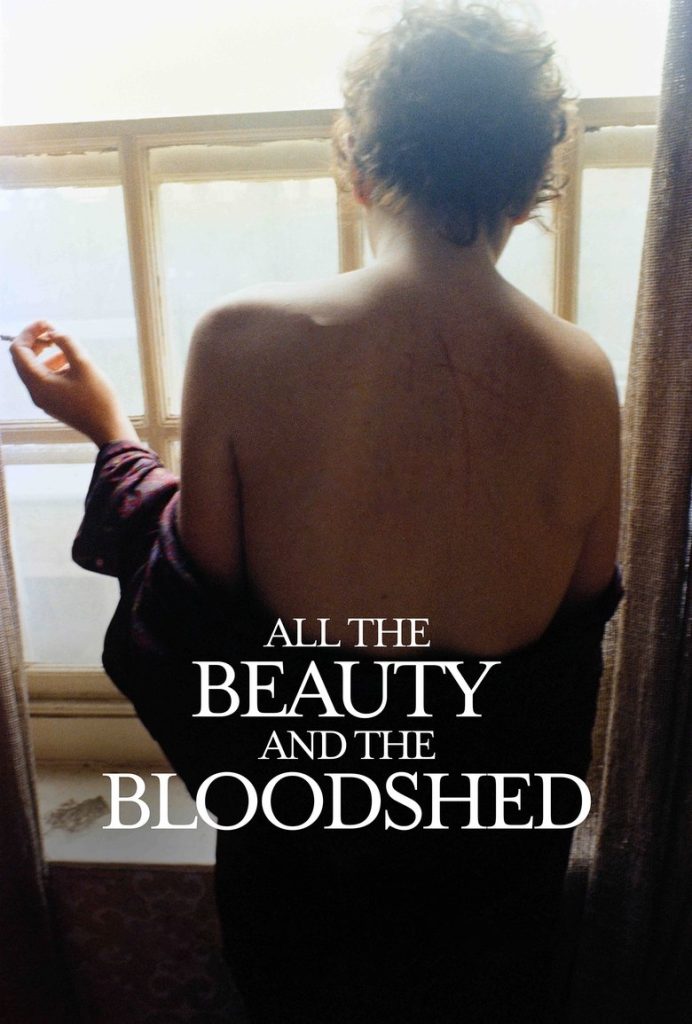
Story overview
This documentary explores the life of artist Nan Goldin, blending her personal story with activism against the opioid crisis. It uses her photography, interviews, and archival footage to show her journey from trauma to advocacy, focusing on her campaign to hold pharmaceutical companies accountable.
Parent Guide
A thought-provoking documentary suitable for mature teens, focusing on art, addiction, and activism with intense emotional themes.
Content breakdown
References to overdose deaths and addiction-related harm; no graphic violence depicted.
Themes of drug addiction, loss, and trauma; includes discussions of overdose crises and personal suffering, which may be unsettling.
Occasional strong language in interviews or archival footage; not pervasive.
Includes artistic nudity in Goldin's photography, reflecting her raw, intimate style; not gratuitous but present in context.
Central theme focusing on opioid addiction and the overdose crisis; includes discussions of drug use and its consequences.
High emotional content due to themes of grief, addiction, and activism; may evoke strong feelings about personal and societal issues.
Parent tips
Discuss themes of addiction and loss beforehand; watch together to process emotional content; research the opioid crisis for context; note the artistic and activist focus; be prepared for mature discussions.
Parent chat guide
Parent follow-up questions
—
- What did you think of the pictures in the movie?
- How do you think the artist felt about her friends?
- Why is the artist trying to hold the Sackler family accountable?
- How does photography help tell her story?
- What does activism mean to you?
- How does the film connect personal trauma to public advocacy?
- What are the ethical issues around the opioid crisis?
- How effective is art as a tool for social change?
- What did you learn about resilience and accountability?
🎭 Story Kernel
The film's core is the inseparable fusion of Nan Goldin's life and work, arguing that personal documentary is political action. It's driven by the tension between private grief—her sister's suicide, her own addiction—and public confrontation with the Sackler family. The narrative engine is the transformation of trauma into collective power through P.A.I.N., showing how Goldin's photographic archive of marginalized lives became the blueprint for dismantling institutional complicity in the opioid crisis. The film posits that bearing witness isn't passive; it's the first step toward systemic change.
🎬 Visual Aesthetics
The film's visual language mirrors Goldin's 'The Ballad of Sexual Dependency,' blending intimate, grainy slideshow aesthetics with crisp contemporary protest footage. The color palette shifts from the warm, saturated tones of 70s/80s New York queer scenes to the sterile, institutional whites of museum galleries targeted by P.A.I.N. The camera often lingers on faces in Goldin's photos, then cuts to those same individuals (or their spiritual descendants) in activist meetings, creating a powerful visual continuum of community and resistance across decades. Archival footage is treated not as nostalgia but as evidence.
🔍 Details & Easter Eggs
💡 Behind the Scenes
Director Laura Poitras, known for her post-9/11 political filmmaking, initially approached the project as a portrait of Goldin's art but shifted focus as P.A.I.N.'s activism escalated. The protest footage is largely sourced from activists' own phones, giving it an urgent, first-person immediacy. Goldin's iconic 'The Ballad of Sexual Dependency' slideshow, which plays in the film, is still presented by her live with musical accompaniment, and the film's editing rhythm mimics her distinctive, emotionally-driven pacing for those performances.
Where to watch
Choose region:
- HBO Max
- HBO Max Amazon Channel
- Amazon Video
- Apple TV Store
- Google Play Movies
- YouTube
- Fandango At Home
- Plex
Trailer
Trailer playback is unavailable in your region.