
All the Bright Places (2020)
Story overview
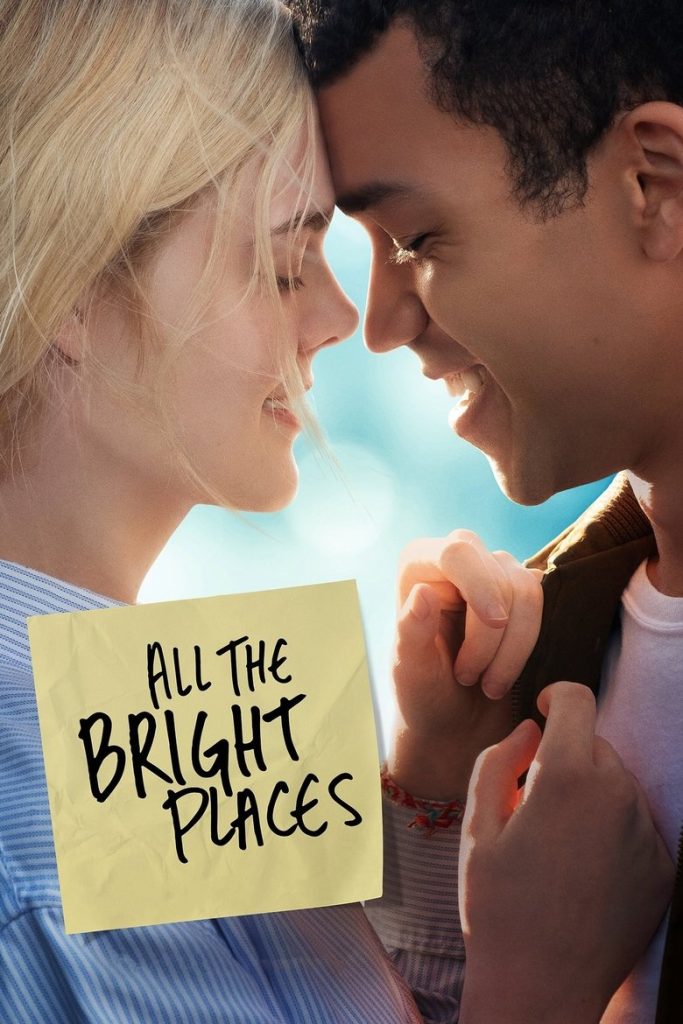
All the Bright Places is a 2020 romantic drama that follows two teenagers who form a deep connection while navigating personal struggles. The film explores themes of mental health, grief, and young love as the characters support each other through difficult times. It portrays their journey of self-discovery and the impact they have on each other's lives.
Parent Guide
This film contains mature themes including mental health struggles and requires parental guidance for viewers under 18.
Content breakdown
Some emotional peril and discussions of self-harm, but no graphic violence.
Themes of depression, grief, and suicide may be emotionally intense for some viewers.
Some mild language typical of teen dialogue.
Romantic situations and kissing, but no explicit sexual content.
No significant substance use depicted.
Deals with heavy emotional themes including mental health struggles and loss.
Parent tips
This film deals with mature themes including mental health issues, depression, and suicide, which may be challenging for younger viewers. Parents should be prepared to discuss these topics sensitively with their children. The TV-MA rating indicates content suitable for mature audiences only, suggesting strong themes that require parental guidance.
Parent chat guide
Parent follow-up questions
- What did you notice about how the characters helped each other?
- How did the movie make you feel?
- What was your favorite part of the story?
- What colors or places did you like in the movie?
- What did you learn about being a good friend?
- How did the characters show they cared about each other?
- What challenges did the main characters face?
- Why do you think it's important to talk about feelings?
- What did you think about how the characters handled difficult situations?
- What would you do if a friend seemed sad or upset?
- What themes about mental health did you notice in the film?
- How did the characters' relationship help them grow?
- What responsible choices did the characters make?
- How did the movie portray seeking help for emotional struggles?
- What messages about friendship and support stood out to you?
- How does the film handle the complexity of mental health issues?
- What did you think about the portrayal of teenage relationships under pressure?
- How might this film contribute to conversations about mental health awareness?
- What coping mechanisms did the characters demonstrate?
- How did the film balance hope with difficult emotional realities?
🎭 Story Kernel
At its core, 'All the Bright Places' explores the paradox of emotional rescue—how one damaged person can temporarily buoy another while their own foundations crumble. The film isn't about romance saving troubled teens, but about the dangerous illusion that being needed equals being healed. Violet's trauma from her sister's death makes her emotionally porous, while Finch's undiagnosed bipolar disorder manifests as performative vitality masking profound emptiness. Their relationship becomes a beautifully destructive feedback loop: Violet needs Finch's manic energy to feel alive again, while Finch needs Violet's brokenness to justify his own existence. The tragedy isn't that love fails, but that sometimes being someone's 'bright place' drains what little light you have left.
🎬 Visual Aesthetics
Director Brett Haley employs a visual language that mirrors the characters' psychological states. Indiana's landscapes shift from Finch's vibrant, oversaturated wanderings to Violet's muted, desaturated home life. The camera often isolates characters within frames—Finth alone in wide shots of nature, Violet trapped in doorways and windows—emphasizing their emotional isolation despite physical proximity. Water imagery recurs not as cleansing but as threatening: the river where Finch's sister died, the quarry pool, the final lake. Most telling are the contrasting color palettes: Finch's world bursts with yellows and greens during his 'awake' periods, while Violet's grief is rendered in cool blues and grays until their worlds visually merge, then tragically separate again.
🔍 Details & Easter Eggs
💡 Behind the Scenes
The film faced significant challenges adapting Jennifer Niven's novel, particularly in handling mental health representation. Niven worked closely with the screenwriters, insisting Finch's condition remain ambiguous rather than labeled, reflecting real-life diagnostic complexities. Director Brett Haley shot entirely in Indiana, using over 30 authentic locations including the actual high school in Valparaiso. Elle Fanning prepared by interviewing teens who'd lost siblings, while Justice Smith studied bipolar disorder presentations in adolescents. The iconic bridge scene was filmed at the closed Cline Avenue Bridge in East Chicago, requiring special permits and safety crews for the 30-foot jump simulation.
Where to watch
Choose region:
- Netflix
- Netflix Standard with Ads
Trailer
Trailer playback is unavailable in your region.