Amar Singh Chamkila (2024)
Story overview
Amar Singh Chamkila is a 2024 drama and music film that explores the life and career of a controversial Punjabi singer. The story follows his rise to fame and the societal reactions to his bold lyrics and performances. It delves into themes of artistic expression, cultural norms, and personal struggles in the music industry. The film is rated TV-MA, indicating mature content suitable for adult audiences.
Parent Guide
This TV-MA rated drama contains mature themes suitable for adult audiences. Parents should exercise caution with younger viewers.
Content breakdown
May include scenes of conflict, tension, or peril related to the singer's controversial career and societal reactions.
Could contain emotionally intense moments or disturbing themes about fame and criticism.
Likely includes strong language or provocative lyrics typical of mature-rated content.
May contain suggestive themes or references, but specifics are unknown without full details.
Could include depictions of alcohol or tobacco use in social or performance settings.
Explores intense themes of artistic struggle, public scrutiny, and personal challenges.
Parent tips
This film is rated TV-MA, meaning it is intended for mature audiences and may not be suitable for children under 17. Parents should be aware that it likely contains strong language, adult themes, or intense scenes typical of this rating. Consider previewing the film or researching specific content warnings before allowing younger viewers to watch. Discuss the film's themes of artistic freedom and societal pressures with older teens to help them process the mature content.
Parent chat guide
Parent follow-up questions
- What was your favorite song in the movie?
- Did you like the music?
- What colors did you see in the movie?
- Can you dance like the people in the movie?
- Was the movie happy or sad?
- What did you think about the singer's life?
- How did the music make you feel?
- What do you think it means to be famous?
- Did you learn anything new about music?
- Would you want to be a singer like Chamkila?
- Why do you think Chamkila's music was controversial?
- How does the movie show the challenges of being an artist?
- What did you think about how people reacted to his songs?
- How does music help tell stories in movies?
- What would you do if your art was criticized?
- How does the film explore the tension between tradition and modernity in art?
- What societal issues does Chamkila's story highlight about fame and expression?
- How does the movie portray the consequences of controversial artistic choices?
- What did you think about the representation of Punjabi culture and music?
- How can artists balance personal expression with public expectations?
🎭 Story Kernel
The film explores the paradox of artistic expression versus societal morality through the lens of Punjab's highest-selling artist. It isn't just a biopic; it is a trial of a man whose lyrics were deemed vulgar by the self-appointed moral police but were embraced as the gospel of the masses. Imtiaz Ali delves into the psyche of a performer who rose from the depths of poverty to become the 'Elvis of Punjab,' only to be silenced by the very society he mirrored. The narrative captures the tension between the artist's need for survival and the socio-political turmoil of 1980s Punjab. It questions who gets to decide what constitutes 'pure' art, highlighting how Chamkila’s music served as a mirror to the repressed desires and harsh realities of rural life, ultimately leading to his tragic and inevitable martyrdom.
🎬 Visual Aesthetics
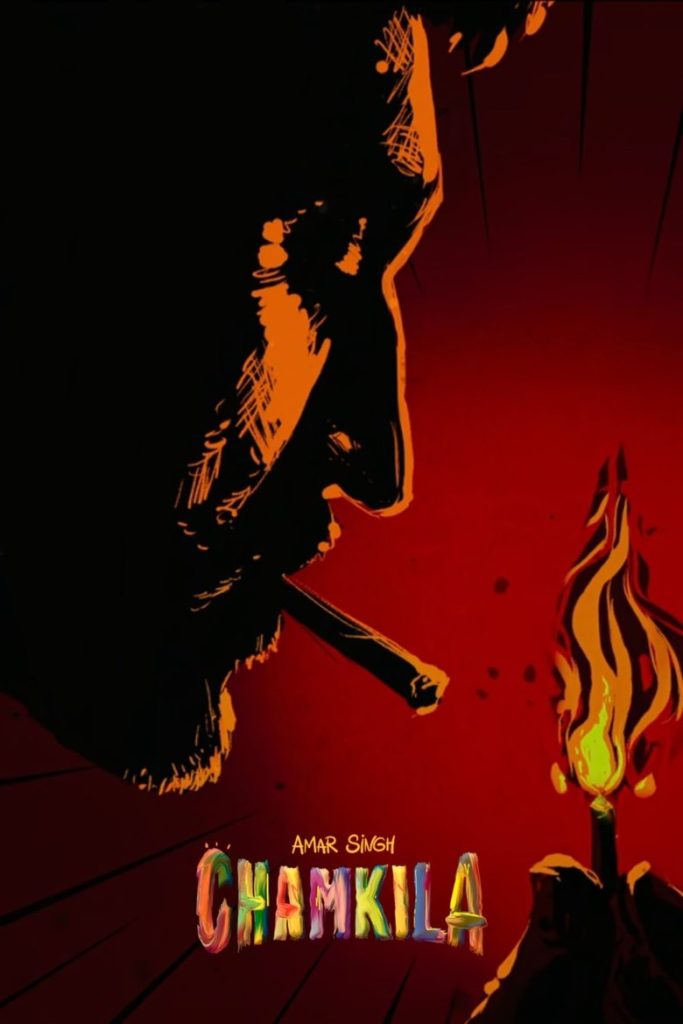
Ali employs a kinetic visual language, blending live-action with comic-book-style animations and archival footage to bridge the gap between myth and reality. The use of split screens effectively juxtaposes the public's adoration with the growing shadows of his detractors. The cinematography captures the dusty, golden hues of Punjab’s akharas, creating a sense of nostalgia that is periodically shattered by the stark, cold reality of the insurgency era. Symbolism is rife in the framing of Chamkila against vast, indifferent landscapes, emphasizing his isolation despite being surrounded by crowds. The on-screen lyrics, rendered in stylized Punjabi and Hindi typography, act as a silent narrator, forcing the audience to confront the 'obscenity' that defined his career and his eventual demise. The visual texture oscillates between a vibrant musical and a gritty, looming tragedy.
🔍 Details & Easter Eggs
💡 Behind the Scenes
To maintain authenticity, the film was shot in many real-life locations where the actual events took place, including the village of Mehsampur. Diljit Dosanjh, a massive star in Punjab, had to adapt his singing style to mimic Chamkila’s high-pitched, raw folk vocals. This marks another collaboration between Imtiaz Ali and A.R. Rahman, with the soundtrack blending traditional Punjabi folk with Rahman’s signature experimental sounds. Interestingly, the film features cameos and inputs from real people who knew Chamkila, adding a documentary-like layer to the narrative. Parineeti Chopra also gained weight to authentically portray Amarjot Kaur’s physical appearance from that era.
Where to watch
Choose region:
- Netflix
- Netflix Standard with Ads