
American Beauty (1999)
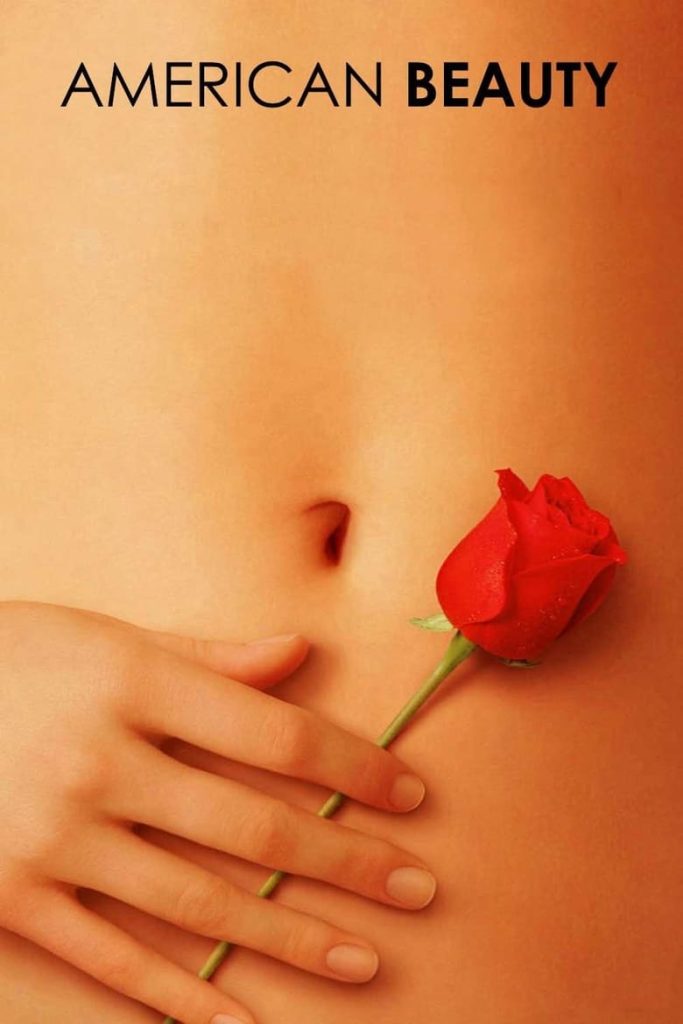
Story overview
American Beauty is a 1999 drama that explores themes of suburban discontent and personal crisis. The film follows a middle-aged father who becomes disillusioned with his life and develops an inappropriate fascination with his daughter's friend. Through various characters' perspectives, it examines societal pressures, identity, and the search for meaning in modern life.
Parent Guide
This mature drama contains adult themes and content unsuitable for children, recommended for older teens with parental guidance.
Content breakdown
Contains some violent scenes and perilous situations that may be intense for younger viewers.
Includes psychologically disturbing content and themes that could be unsettling.
Features frequent strong language and profanity throughout the film.
Contains sexual situations, nudity, and mature sexual themes.
Shows characters using substances including marijuana and alcohol.
Deals with intense emotional themes including depression, crisis, and family dysfunction.
Parent tips
This R-rated film contains mature themes that require careful consideration before viewing with children. The movie deals with adult relationships, mid-life crises, and inappropriate attractions that may be confusing or disturbing for younger viewers. Parents should be aware that the content includes strong language, sexual situations, and discussions of substance use that are not suitable for children.
Given the film's exploration of complex emotional and psychological themes, it's best suited for mature teenagers who can process the nuanced commentary on suburban life and personal fulfillment. Parents may want to watch the film first to determine if it aligns with their family's values and their child's emotional maturity level.
Parent chat guide
During viewing, be prepared to pause and discuss any confusing or uncomfortable moments. The film presents multiple perspectives on family dynamics and personal struggles that may benefit from real-time clarification.
After viewing, focus conversations on the film's themes rather than specific plot points. Discuss how characters handled their frustrations and what healthier alternatives might have been available to them.
Parent follow-up questions
- What did you notice about how the family members treated each other?
- How did the colors in the movie make you feel?
- What was your favorite part of the movie?
- Did you see any characters being kind to each other?
- How do you think the characters felt in their homes?
- What did you think about how the adults in the movie were feeling?
- How did different characters show they were unhappy?
- What are some better ways to handle feeling frustrated with your life?
- How do you think the teenage characters felt about their parents?
- What did you learn about how families communicate?
- What themes about adult life did you notice in the movie?
- How did the film show the difference between appearances and reality?
- What messages did you take away about personal happiness?
- How did characters deal with feeling trapped in their situations?
- What did the movie suggest about finding meaning in life?
- How does the film critique suburban life and societal expectations?
- What commentary does the movie make about mid-life crises and personal fulfillment?
- How are themes of desire and dissatisfaction portrayed throughout the film?
- What did you think about how different generations approached their problems?
- How does the film explore the gap between public image and private reality?
🎭 Story Kernel
American Beauty isn't about midlife crisis—it's about the suffocating performance of American success. Every character wears a mask: Lester's corporate drone, Carolyn's perfect hostess facade, Angela's manufactured sexuality, Ricky's surveillance of beauty. Their rebellion isn't liberation but the violent unmasking of their true, often ugly selves. The film suggests that chasing the American Dream creates emotional zombies who mistake materialism for meaning. Lester's awakening isn't noble—it's the desperate flailing of someone who realizes he's been dead for years. The tragedy isn't his murder but that he only truly lived in his final moments.
🎬 Visual Aesthetics
The film's visual language creates a sterile, museum-like suburbia where characters are specimens under glass. Sam Mendes uses symmetrical framing to emphasize emotional imprisonment—every shot feels composed, controlled, artificial. The signature red rose petals represent not passion but manufactured desire, appearing digitally perfect against muted suburban tones. Ricky's camcorder becomes the film's moral center—his lens finds genuine beauty in dead birds and floating plastic bags while the naked eye sees only surface. The climactic overhead shot of Lester's blood spreading across white linoleum transforms domestic violence into abstract art, the ultimate suburban tableau.
🔍 Details & Easter Eggs
💡 Behind the Scenes
Kevin Spacey actively campaigned for the role of Lester, writing letters to director Sam Mendes. The iconic rose petal scenes required a special effects team to digitally create and place each petal individually. Annette Bening based Carolyn's real estate persona on observing Beverly Hills agents, noting their 'aggressive cheerfulness.' The film's working title was 'The American Beauty,' referencing both the rose and the superficial perfection characters pursue.
Where to watch
Choose region:
- fuboTV
- Paramount+ Roku Premium Channel
- Paramount Plus Essential
- Paramount Plus Premium
- Amazon Video
- Apple TV
- Google Play Movies
- YouTube
- Fandango At Home
- JustWatchTV
Trailer
Trailer playback is unavailable in your region.