
American Factory (2019)
Story overview
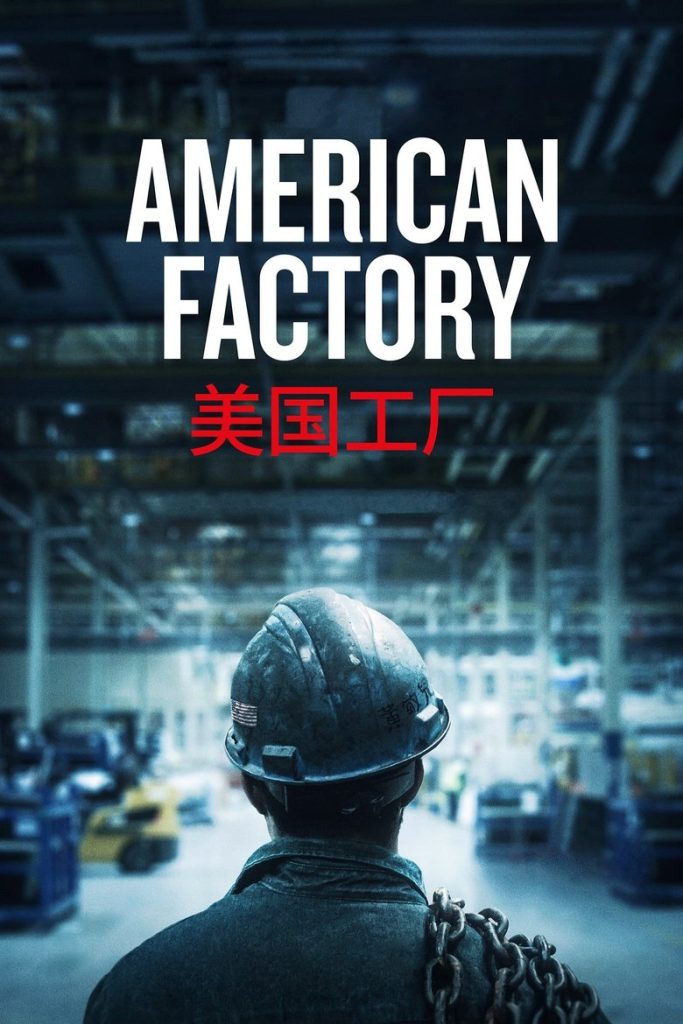
American Factory is a 2019 documentary that explores cultural and economic tensions when a Chinese billionaire reopens a closed General Motors plant in Ohio, hiring American workers. The film follows the initial optimism as jobs return, then documents the growing conflicts between Chinese management practices and American workplace expectations, labor rights, and cultural values.
Parent Guide
Educational documentary suitable for mature children interested in global economics and workplace issues. Contains discussions of labor conflicts and cultural tensions but no graphic content.
Content breakdown
No physical violence shown. Some discussions of workplace safety concerns and accidents, but no graphic depictions.
Some tense moments during labor negotiations and cultural conflicts. Discussions of job insecurity and economic anxiety might be concerning for sensitive viewers.
Occasional mild workplace language. No strong profanity.
No sexual content or nudity.
No substance use shown.
Emotional scenes showing workers' hopes, frustrations, and economic anxieties. Cultural conflicts and workplace tensions create emotional weight throughout.
Parent tips
This documentary deals with complex themes of globalization, labor rights, and cultural differences without graphic content. Best for mature children who can discuss economic issues. Contains discussions of workplace safety concerns, unionization efforts, and cultural misunderstandings. No violence, sexual content, or strong language.
Parent chat guide
Parent follow-up questions
—
- What did you notice about how people work in different countries?
- How did the workers feel when they got their jobs back?
- Why do you think there were misunderstandings between the American workers and Chinese managers?
- What does 'union' mean and why was it important in this film?
- How does this film show that people in different countries might have different ideas about work?
- What cultural differences created the most significant conflicts in the factory?
- How does this documentary present both American and Chinese perspectives without taking sides?
- What does this film reveal about the realities of globalization and international business?
- How do economic pressures affect workplace safety and worker rights?
🎭 Story Kernel
The film explores the fundamental clash between American individualism and Chinese collectivism through the lens of economic survival. Workers from both nations are driven by the same basic needs—job security, dignity, and providing for families—yet their cultural programming creates constant friction. The American workers value autonomy and personal expression, while their Chinese counterparts prioritize harmony and productivity. This isn't about good versus evil but about two incompatible systems trying to coexist within one factory's walls. The real tension emerges when both sides realize their economic futures depend on cooperation, yet their cultural DNA resists true integration.
🎬 Visual Aesthetics
The documentary employs a fly-on-the-wall observational style with lingering shots that capture the factory's industrial rhythm. The color palette shifts subtly—American sections feel warmer with personal touches, while Chinese-managed areas appear more sterile and efficient. Key moments use framing to emphasize cultural distance: workers separated by language barriers, management meetings where body language speaks louder than words. The camera often finds beauty in industrial processes—molten glass flowing like liquid light—creating visual metaphors for the factory's purpose. Natural lighting in American homes contrasts with the harsh fluorescent glow of the factory floor.
🔍 Details & Easter Eggs
💡 Behind the Scenes
Directors Steven Bognar and Julia Reichert had previously documented the same Dayton, Ohio factory in their 2009 film 'The Last Truck: Closing of a GM Plant,' making 'American Factory' an unexpected sequel about the building's rebirth. The production team shot over 1,200 hours of footage across three years, requiring Mandarin-speaking crew members to capture authentic moments. Fuyao Glass chairman Cao Dewang initially resisted the documentary but eventually allowed unprecedented access, resulting in scenes where Chinese management discusses American workers' shortcomings unaware they're being filmed.
Where to watch
Choose region:
- Netflix
- Netflix Standard with Ads
Trailer
Trailer playback is unavailable in your region.