
American Girl (2021)
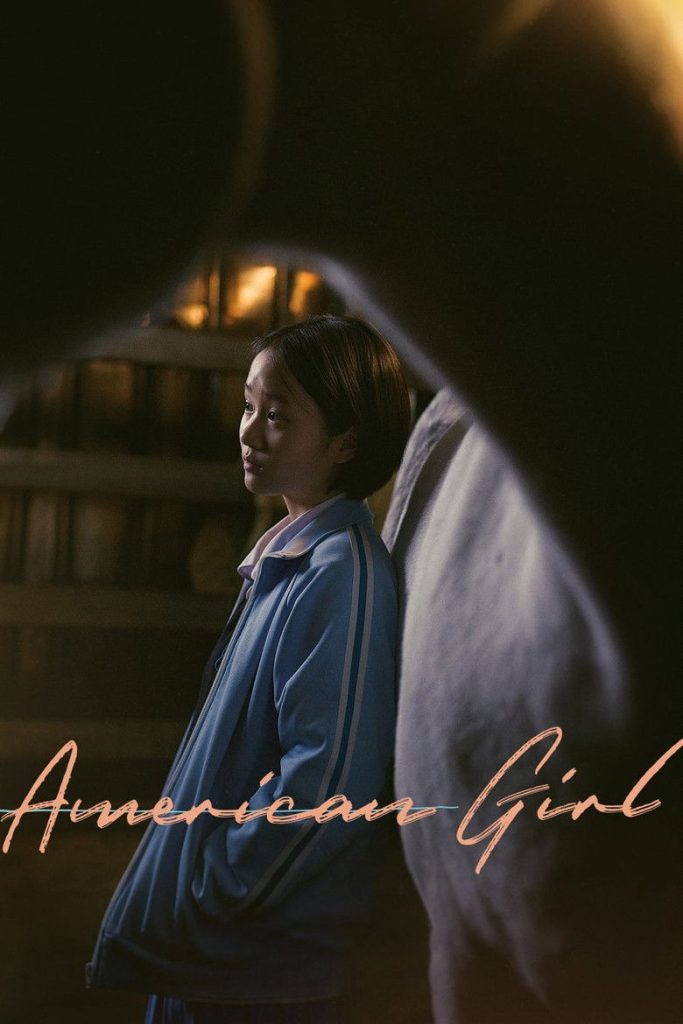
Story overview
American Girl (2021) is a drama set during the 2003 SARS epidemic in Taiwan. It follows 13-year-old Fen, who moves back to Taiwan when her mother falls ill. The film explores Fen's struggles to adapt to her new environment, cope with her mother's sickness, and navigate the anxieties of the epidemic, all while dealing with typical teenage challenges of fitting in and finding her identity.
Parent Guide
A thoughtful drama about a teenager navigating illness, displacement, and epidemic anxiety. No graphic content but emotionally mature themes. Best for viewers who can handle discussions about serious health issues and family stress.
Content breakdown
No physical violence. Some peril related to the SARS epidemic including hospital scenes, people wearing masks, and general anxiety about contagion. Medical situations are tense but not graphic.
Potentially disturbing elements include a mother's serious illness, hospital settings, epidemic anxiety, and the emotional weight of displacement. The SARS backdrop creates an atmosphere of uncertainty but isn't portrayed in a horror-style manner.
No offensive language noted. The film is in Mandarin Chinese with subtitles available.
No sexual content or nudity. Focus is on family relationships and personal growth.
No substance use depicted.
Significant emotional intensity from the mother's illness, displacement struggles, epidemic anxiety, and adolescent social challenges. The tone is contemplative rather than melodramatic, but themes are weighty. Characters show resilience amid difficulty.
Parent tips
This film deals with mature themes including serious illness, epidemic anxiety, displacement, and adolescent social struggles. While there's no graphic content, the emotional weight and realistic portrayal of a health crisis may be intense for younger viewers. Best suited for children who can process discussions about illness and uncertainty. Provides opportunities to talk about resilience, family bonds, and historical health events.
Parent chat guide
Parent follow-up questions
- How did Fen feel when she moved to a new place?
- What nice things did people do for each other in the movie?
- Why was Fen worried about her mother?
- What was hard about moving to Taiwan?
- How did people stay safe during the epidemic?
- How did Fen's experience during SARS compare to what we experienced during COVID-19?
- What strategies did Fen use to cope with her difficult situation?
- How did the film show the importance of family support?
- How does the film portray the psychological impact of living through an epidemic?
- What commentary does the film make about cultural identity and belonging?
- How realistic was the portrayal of adolescent anxiety in crisis situations?
🎭 Story Kernel
At its core, 'American Girl' is less about a specific event and more about the quiet, seismic shift of perspective that defines adolescence. The protagonist's journey isn't driven by a grand external goal, but by the internal, often painful, process of disillusionment. She moves from seeing her family and surroundings through a child's lens of assumed wholeness to recognizing the subtle cracks—the unspoken tensions, the compromises, the quiet despair of adulthood. The real conflict is the erosion of innocence, not by trauma, but by simple, acute observation. The film expresses how 'growing up' is the realization that the world is not a narrative built for you, and that your parents are just people, flawed and trying. The driving force is the character's dawning, reluctant consciousness.
🎬 Visual Aesthetics
The film employs a restrained, observational visual style. The camera often lingers in medium shots and static frames, mimicking the protagonist's watchful gaze. The color palette is dominated by muted, naturalistic tones—soft beiges, faded blues, and the warm glow of domestic lamps—that gradually feel more suffocating than comforting. This aesthetic creates a sense of intimate claustrophobia, boxing us into the character's subjective experience. Key moments of emotional rupture are not emphasized with dramatic zooms or cuts, but are often held in a sustained, uncomfortable shot, making the internal turmoil feel all the more potent because it's visually contained. The lighting often contrasts the harsh, revealing daylight with the deceptive warmth of interior evening light, visually mapping her changing perception.
🔍 Details & Easter Eggs
💡 Behind the Scenes
The film was shot on location in a series of actual suburban homes in the Midwest to enhance its authentic, lived-in aesthetic. The director insisted on using natural light for most interior scenes, which contributed to the challenging shooting schedule but was crucial for achieving the film's specific, muted color palette. Several key scenes involving the young lead actress were improvised based on emotional prompts rather than strict scripting, capturing a more genuine reactive performance. The project was developed through a series of independent film workshops, with the script undergoing significant revisions to strip away more overt plot mechanics in favor of its final, nuanced observational style.
Where to watch
Choose region:
- Netflix
- Netflix Standard with Ads
Trailer
Trailer playback is unavailable in your region.