
An Apology to Elephants (2013)
Story overview
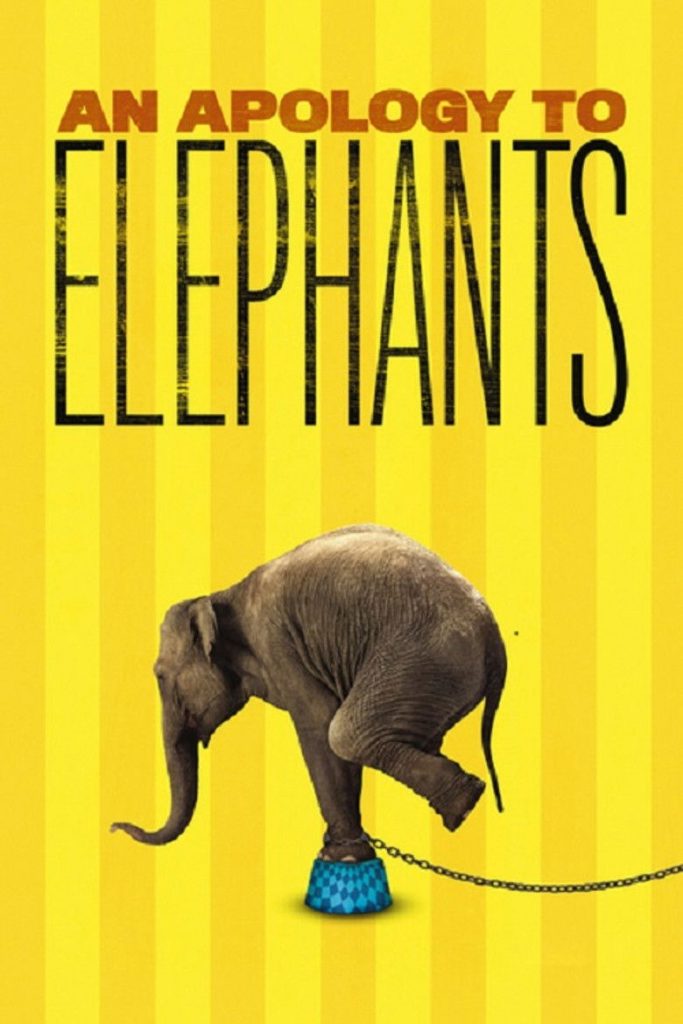
This documentary short explores humanity's complex relationship with elephants, highlighting their intelligence and majesty while documenting centuries of mistreatment in captivity. Narrated by Lily Tomlin, it examines ethical concerns surrounding zoos and circuses, presenting both historical context and contemporary animal welfare perspectives.
Parent Guide
Educational documentary about elephant welfare with some potentially upsetting historical footage. Best for children mature enough to handle discussions of animal suffering.
Content breakdown
Historical footage shows elephants being chained, confined in small spaces, and subjected to training methods that involve discomfort. No graphic violence, but implied suffering.
Some scenes may disturb sensitive children, including elephants in distress, tight chains, and discussion of mistreatment. The tone is educational rather than sensational.
No inappropriate language. Educational narration throughout.
No sexual content or nudity.
No substance use depicted.
The subject matter involves animal suffering and ethical questions that may provoke strong feelings in animal-loving children. The documentary aims to inspire compassion rather than fear.
Parent tips
Watch together to discuss animal rights and conservation. The documentary shows some distressing footage of elephant mistreatment that may upset sensitive viewers. Consider pausing to explain historical context and emphasize current protections. Good opportunity to discuss how documentaries present information.
Parent chat guide
Parent follow-up questions
- What did you learn about elephants?
- How do elephants help each other?
- What makes elephants special?
- Why do you think people kept elephants in circuses?
- What are some ways elephants show they're smart?
- How can we be kind to animals?
- What ethical questions does this documentary raise?
- How have attitudes toward animal captivity changed?
- What evidence did the film use to make its points?
- How does this documentary balance emotional appeal with factual presentation?
- What systemic changes would improve elephant welfare worldwide?
- How do cultural differences affect attitudes toward animal rights?
🎭 Story Kernel
The film's core isn't just about elephant abuse—it's a profound exploration of human psychology and our relationship with power. It examines how we've systematically broken these intelligent, social creatures to serve our entertainment and ego, then frames conservation efforts as acts of atonement rather than simple rescue. The driving force isn't plot progression but emotional revelation, showing how our perception of elephants shifts from spectacle to sentient beings deserving of dignity. It's really about what our treatment of elephants says about us as a species.
🎬 Visual Aesthetics
The documentary employs stark visual contrasts—lush, expansive shots of elephants in natural habitats versus cramped, concrete circus environments. Cinematography alternates between intimate close-ups of elephant eyes (creating emotional connection) and wide shots that emphasize their scale and confinement. The color palette shifts from vibrant greens and browns in wilderness scenes to washed-out grays and tans in captivity sequences. Archival footage is deliberately grainy, creating temporal distance that highlights how long these practices have persisted.
🔍 Details & Easter Eggs
💡 Behind the Scenes
Director Amy Schatz spent three years filming across multiple continents, including Thailand's elephant tourism industry and American sanctuaries. Several sequences used hidden cameras to capture unguarded moments with elephants. The film's title came from producer Sheila Nevins, who described it as 'an apology on behalf of all of us.' Notable is the inclusion of former circus trainers who became activists—their interviews required careful ethical handling due to their past actions. Much footage was shot at the Elephant Sanctuary in Tennessee, the largest natural-habitat refuge in the U.S.
Where to watch
Choose region:
- HBO Max
- HBO Max Amazon Channel
- Amazon Video
- Apple TV Store
- Google Play Movies
- YouTube
- Fandango At Home