
An Invisible Victim: The Eliza Samudio Case (2024)
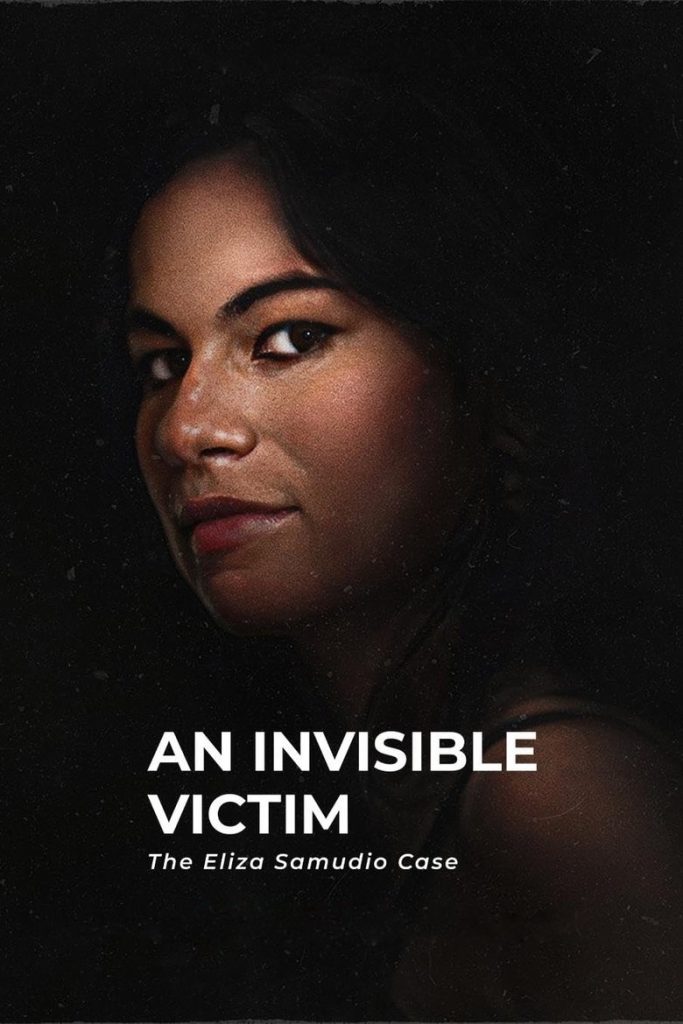
Story overview
This 2024 Brazilian documentary examines the tragic case of Eliza Samudio, a pregnant woman threatened by star goalkeeper Bruno Fernandes de Souza. The film explores how her pleas for help were ignored due to his fame, leading to a devastating outcome. It presents real-life crime through interviews, archival footage, and investigative reporting, focusing on systemic failures and gender-based violence.
Parent Guide
This documentary presents a serious real-life crime case with mature themes. Contains emotional intensity and disturbing content related to violence against women. Not suitable for children. Recommended for mature teens 16+ with parental guidance.
Content breakdown
Discusses threats against a pregnant woman, domestic violence, and a tragic outcome. No graphic violence shown, but descriptions and implications of violence are present throughout. Psychological threat and peril are central themes.
Disturbing content about real violence against a pregnant woman, systemic failures, and tragic consequences. Emotional intensity is high as it deals with a real victim's story. May be particularly upsetting for sensitive viewers or those with personal experiences of domestic violence.
May contain occasional strong language in interviews or archival materials. Portuguese dialogue with subtitles. No excessive profanity expected in documentary context.
No sexual content or nudity. Focus is on crime investigation and social commentary rather than intimate relationships.
No depiction or discussion of substance use. Focus is exclusively on the crime case and its social implications.
High emotional intensity due to real-life tragedy, discussions of domestic violence, threats against a pregnant woman, and systemic failures. May provoke strong emotional responses including sadness, anger, or distress. Not recommended for emotionally sensitive viewers without support.
Parent tips
This documentary deals with mature themes including domestic violence, threats against a pregnant woman, and a tragic real-life crime. It contains emotional intensity and disturbing content related to violence against women. Best suited for mature teens and adults. Parents should preview to assess appropriateness for their family and be prepared to discuss sensitive topics like domestic abuse, justice systems, and media influence.
Parent chat guide
Parent follow-up questions
—
—
- What makes someone famous? Can famous people do bad things?
- What should you do if someone threatens you or someone you know?
- Why is it important to tell adults when someone is in danger?
- How does celebrity status affect how crimes are investigated and perceived?
- What systemic failures allowed this tragedy to occur?
- How can society better protect victims of domestic violence?
- What responsibility do media outlets have when covering crimes involving celebrities?
- How does this case reflect broader issues of gender-based violence in Brazil and globally?
🎭 Story Kernel
The documentary deconstructs one of Brazil's most notorious crimes, shifting the lens away from the sensationalized "Goalkeeper Bruno" narrative to the systemic erasure of Eliza Samudio. It explores the intersection of toxic masculinity, celebrity worship, and a judicial system that often fails women. By utilizing Eliza’s own digital footprint—emails and messages—the film restores her voice, portraying her not as a tabloid footnote but as a mother and a victim of a calculated conspiracy. It critiques how the media and public opinion prioritized a football star's career over a human life, highlighting the "invisible" nature of domestic violence when it clashes with national idols. Ultimately, it is an indictment of a culture that allows femicide to be obscured by the shadow of fame, demanding a long-overdue recognition of the victim's humanity.
🎬 Visual Aesthetics
Juliana Antunes employs a somber, investigative aesthetic that relies heavily on archival textures to ground the narrative in reality. The film juxtaposes grainy news footage from 2010 with clean, modern interviews, creating a temporal bridge that emphasizes the lasting trauma of the case. A significant visual motif is the use of digital text overlays—reconstructing Eliza’s messages—which serves to manifest her presence in a space where she was physically erased. The cinematography avoids the lurid true-crime tropes of dramatic reenactments, opting instead for a more clinical, respectful observation of evidence and testimony. This restraint forces the viewer to confront the cold facts of the investigation and the psychological isolation Eliza faced, making the absence of her body a haunting visual presence that permeates every frame of the documentary.
🔍 Details & Easter Eggs
💡 Behind the Scenes
Director Juliana Antunes, acclaimed for her work on 'Baronesa,' brings a distinct feminist perspective to the true crime genre, which is often criticized for being exploitative. The film was produced by Boutique Filmes for Netflix and features previously unreleased footage and audio from the investigation. It aims to correct the historical record in Brazil, where the case is still frequently referred to as 'The Bruno Case' rather than 'The Eliza Samudio Case.' The documentary's release coincided with renewed national discussions regarding femicide laws and the protection of women in disputes involving powerful public figures.
Where to watch
Choose region:
- Netflix
- Netflix Standard with Ads