
And Breathe Normally (2018)
Story overview
And Breathe Normally is a 2018 Icelandic drama that follows two women whose lives briefly intersect in challenging circumstances. Lára, a struggling single mother in Iceland, faces eviction and financial hardship while trying to care for her young son. Adja, an asylum seeker from Guinea-Bissau, is stranded in Iceland after her passport is confiscated. The film explores their delicate connection as they navigate immigration systems, poverty, and motherhood, offering a poignant look at human resilience and unexpected bonds.
Parent Guide
A thoughtful, character-driven drama about immigration, poverty, and human connection. While not graphically intense, the realistic portrayal of difficult circumstances and emotional weight makes it best for mature viewers who can handle complex themes.
Content breakdown
No physical violence. Some tense situations including a character being detained by immigration authorities, financial desperation leading to risky decisions, and general peril from unstable living situations. One scene shows a character hiding from authorities.
Emotionally heavy themes of poverty, potential homelessness, immigration detention, and family separation. Scenes of financial and emotional stress may be unsettling. The uncertainty faced by both main characters creates ongoing tension.
No strong language noted. The film is in Icelandic with English subtitles. Any mild language would be in Icelandic and not translated as offensive.
No sexual content or nudity. The film focuses on platonic relationships and family dynamics.
No substance use depicted. Characters may drink coffee or eat in social situations, but no alcohol, smoking, or drug use shown.
Consistent emotional weight throughout as both women face serious challenges. Themes of desperation, hope, maternal love, and bureaucratic obstacles create sustained emotional engagement. The ending is bittersweet but hopeful.
Parent tips
This film deals with mature themes including immigration struggles, poverty, and parental stress. While there's no graphic content, the emotional weight and realistic portrayal of difficult situations may be intense for younger viewers. Best suited for mature tweens and teens who can process complex social issues. The Icelandic dialogue with subtitles requires reading ability.
Parent chat guide
Parent follow-up questions
—
- Did you understand why the two women were having a hard time?
- How did the mom try to take care of her son?
- What did you think about the different places they lived in?
- Why do you think Adja had to leave her country?
- How did the immigration system affect both women's lives?
- What moments showed kindness between strangers?
- How did poverty affect the mother's choices?
- How does the film portray systemic issues in immigration and social services?
- What does the film suggest about privilege and circumstance?
- How do the women's different backgrounds affect their experiences?
- What commentary does the film make about motherhood and sacrifice?
- How does the setting of Iceland contribute to the story's themes?
🎭 Story Kernel
At its core, 'And Breathe Normally' explores how systemic failures force unlikely human connections. The film isn't about immigration versus poverty—it's about how both conditions create parallel states of suspension. Lára, an Icelandic single mother facing eviction, and Adja, a Guinean asylum seeker detained at the airport, are both trapped by systems that view them as problems rather than people. Their brief, tense encounter becomes a mirror: Lára's struggle with addiction and poverty reflects Adja's fight for basic dignity. The film suggests that in societies built on stability, the most radical act is simply maintaining hope when every structure tells you to give up.
🎬 Visual Aesthetics
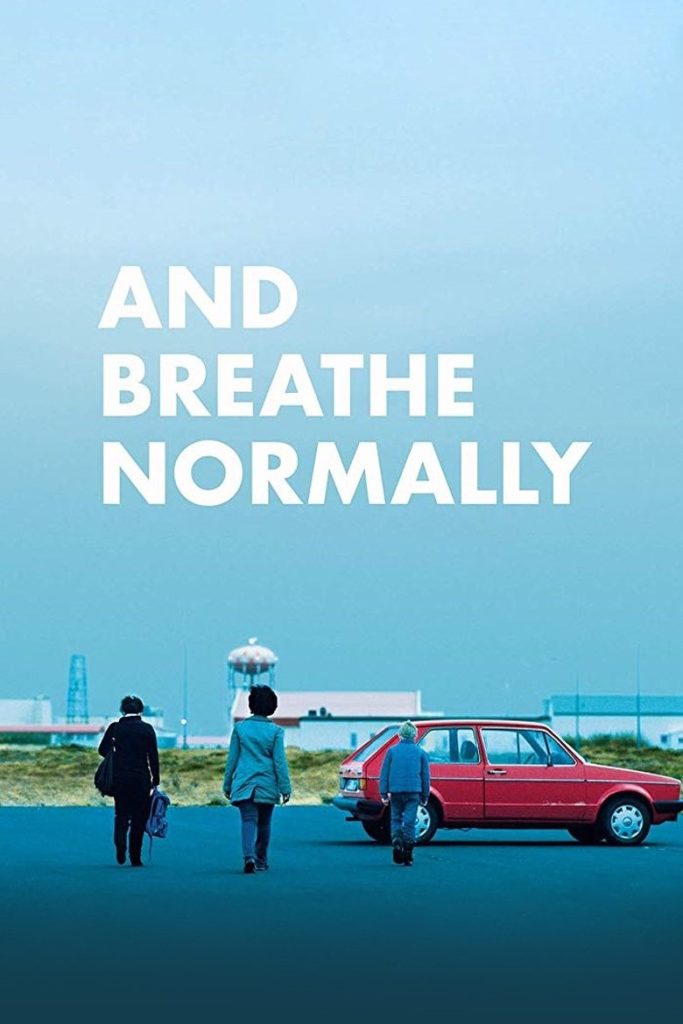
Director Ísold Uggadóttir employs Iceland's stark landscapes as emotional terrain—the endless gray skies and barren lava fields externalize the characters' internal limbo. Cinematography favors tight close-ups during bureaucratic encounters, making institutional spaces feel claustrophobic, while wide shots of the countryside emphasize isolation. The color palette remains muted—grays, blues, and concrete tones—except for Adja's vibrant headscarf, which becomes a visual anchor of her identity against Iceland's monochrome. Camera movements are deliberate and restrained, mirroring the characters' cautious navigation of hostile systems. The final shot of Lára and her son walking away from the detention center is framed with heartbreaking distance, suggesting connection without resolution.
🔍 Details & Easter Eggs
💡 Behind the Scenes
Director Ísold Uggadóttir drew from her own experiences working with refugees in Iceland, spending months interviewing asylum seekers at detention centers. Lead actress Kristín Þóra Haraldsdóttir (Lára) worked with actual social workers to understand poverty dynamics, while Babetida Sadjo (Adja) consulted with Guinean immigrants about their airport detention experiences. The film was shot in chronological order to preserve emotional continuity, with the Keflavík Airport scenes filmed during actual operating hours using hidden cameras to capture authentic bureaucratic tension. It became the first Icelandic film to win the World Cinema Dramatic Directing Award at Sundance.
Where to watch
Choose region:
- Netflix
- Netflix Standard with Ads
Trailer
Trailer playback is unavailable in your region.