
Andhadhun (2018)
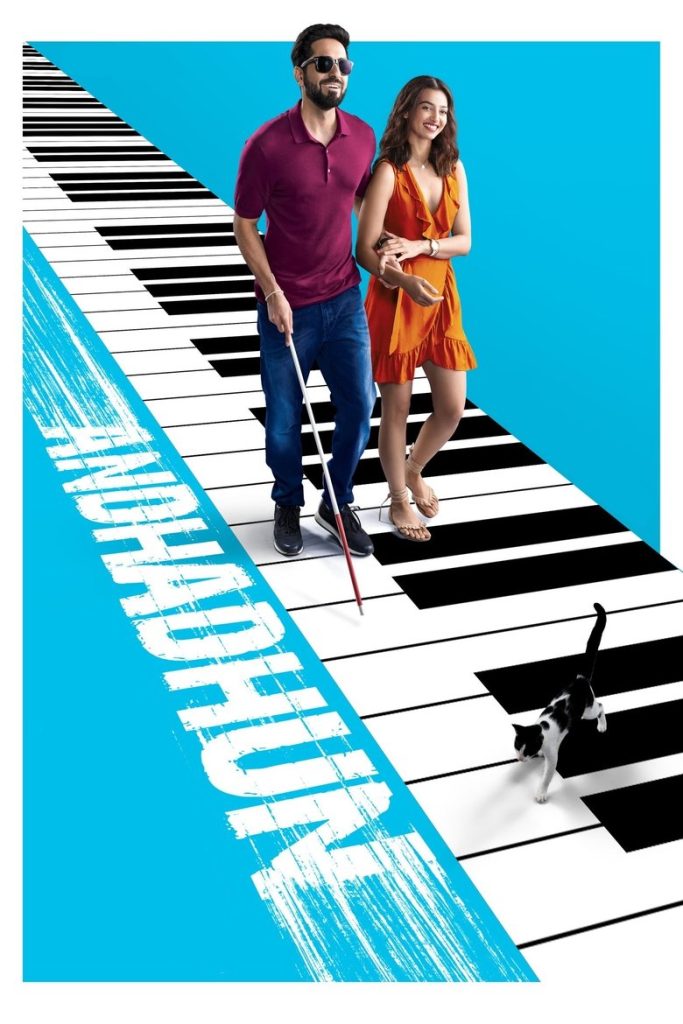
Story overview
Andhadhun is a 2018 Indian crime thriller with comedic and musical elements. The story follows a blind pianist who becomes entangled in a complex web of deception after a mysterious incident. As he navigates this dangerous situation, the line between reality and performance becomes increasingly blurred. The film explores themes of perception, morality, and unexpected consequences through its twist-filled narrative.
Parent Guide
A complex crime thriller with mature themes, recommended for teens and adults due to its suspenseful plot and moral ambiguity.
Content breakdown
Contains scenes of peril, implied violence, and criminal activities without graphic depiction. Characters face dangerous situations and threats.
Includes suspenseful moments, unexpected twists, and morally complex situations that could be unsettling. The tone shifts between tense and comedic.
May contain occasional mild language consistent with crime thriller genre. No strong or frequent profanity noted.
Contains some romantic elements and suggestive situations without explicit content. Focus is on relationships within the crime narrative.
May include social drinking in background scenes. Not a central element of the plot.
Features tense situations, moral dilemmas, and unexpected plot developments that create emotional engagement. Characters experience fear, deception, and complex motivations.
Parent tips
This film contains moderate to strong elements of crime, suspense, and moral ambiguity that may be challenging for younger viewers. While there are comedic moments, the overall tone is tense and includes scenes of peril, deception, and mature themes. The 139-minute runtime and complex plot require sustained attention that might be difficult for children.
Parents should note that the film deals with serious consequences of actions and features characters making questionable moral choices. The narrative structure includes twists and revelations that could be confusing or unsettling for some viewers. The blend of thriller and comedy elements creates an unpredictable tone that might not be suitable for sensitive children.
Parent chat guide
Encourage your child to share their thoughts about the characters' decisions and whether they think the outcomes were fair. Ask open-ended questions about how they would handle similar situations involving truth and deception. This can help process the film's more challenging elements while reinforcing family values about honesty and responsibility.
Parent follow-up questions
- What was your favorite part of the movie?
- How did the music make you feel?
- What does it mean to be a good friend?
- Can you tell me about the piano playing?
- What colors did you notice in the movie?
- What did you think about the main character's situation?
- How can we tell what's real from what's pretend?
- Why do you think people sometimes keep secrets?
- What makes a story exciting or scary?
- How did the music help tell the story?
- What themes about truth and deception did you notice?
- How did the movie play with audience expectations?
- What makes a character morally complex or interesting?
- How does the film balance serious and funny moments?
- What did you think about how the story was structured?
- How does the film explore the concept of perception versus reality?
- What commentary does the movie make about morality and consequences?
- How effective were the plot twists in developing the themes?
- What did you think about the blending of different genres?
- How does the film handle the tension between comedy and thriller elements?
🎭 Story Kernel
At its core, 'Andhadhun' is a scathing satire on performative morality and the fluidity of truth in a world of opportunists. It's not about a man pretending to be blind; it's about everyone pretending to be something they're not—the adulterous wife playing the grieving widow, the corrupt cop masquerading as an investigator, the struggling actor performing as a righteous neighbor. Their primary drive is survival and self-preservation, which justifies increasingly grotesque acts. The film posits that in this cynical game, the most convincing performance wins, and the 'truth' is merely the last story left standing, leaving the audience to question the very nature of witnessing and complicity.
🎬 Visual Aesthetics
The film's visual language is a masterclass in deceptive framing and Hitchcockian suspense. Director Sriram Raghavan employs a muted, slightly desaturated color palette for the 'normal' world, which violently contrasts with the vivid red of blood—most notably in the recurring motif of the spilled wine that mimics a crime scene. The camera often adopts Akash's limited perspective, using shallow focus and off-screen sound to build tension, then brutally subverts it with wide, unflinching shots of violence, forcing the viewer into the role of a helpless, omniscient witness. The choreography of the murder scene is almost balletic in its silent horror, making the mundane act of cleaning up profoundly unsettling.
🔍 Details & Easter Eggs
💡 Behind the Scenes
Ayushmann Khurrana, who plays Akash, underwent extensive training with a visually impaired musician to authentically mimic the mannerisms of a blind pianist. Tabu, portraying Simi, based her character's cold, manipulative charm on classic film noir femmes fatales. A key challenge was filming the lengthy, dialogue-free sequence of the body disposal in real-time to maintain unbearable tension. The apartment where much of the first act takes place was a meticulously designed set to allow for precise camera angles that could alternate between Akash's restricted point-of-view and omniscient, dramatic irony shots.
Where to watch
Choose region:
- Apple TV Store
- Google Play Movies
- YouTube
Trailer
Trailer playback is unavailable in your region.