
Apollo 13: Survival (2024)
Story overview
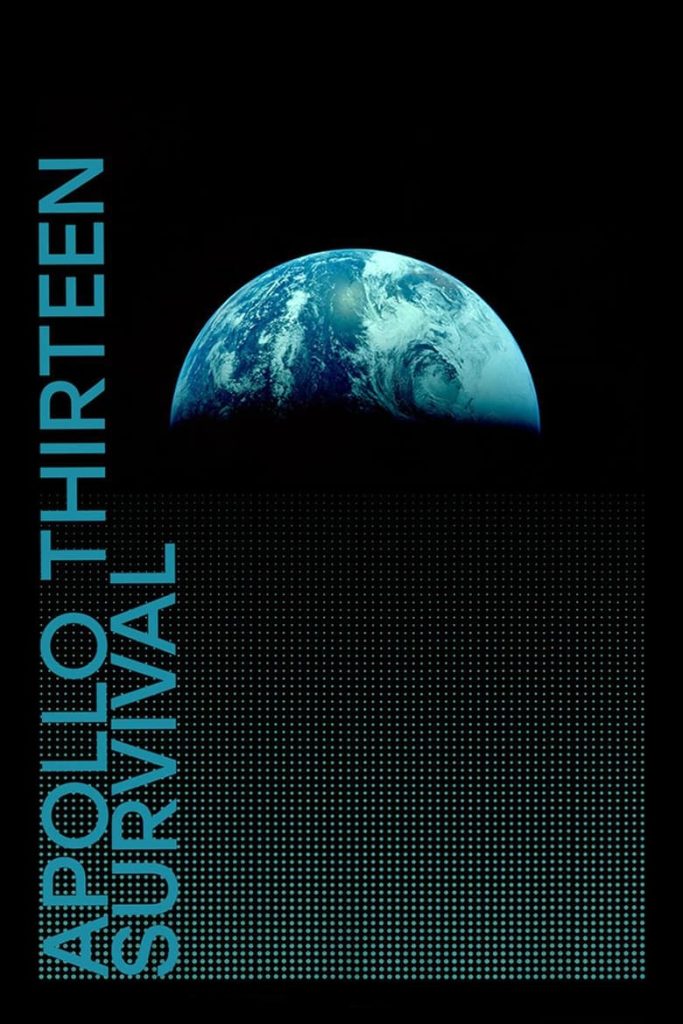
This documentary explores the harrowing true story of the Apollo 13 mission, focusing on the crew's struggle for survival after an oxygen tank explosion crippled their spacecraft. It details the technical challenges, teamwork, and ingenuity required to bring the astronauts safely back to Earth. The film highlights the real-life drama and problem-solving that captivated the world during this historic space emergency.
Parent Guide
Educational documentary about a historical space emergency, suitable for most families with school-aged children.
Content breakdown
Discussion of life-threatening situation in space, but no graphic violence shown.
Tense moments as astronauts face survival challenges, but presented in documentary style.
No offensive language expected in historical documentary.
No sexual content or nudity.
No substance use depicted.
High-stakes survival situation creates tension, but resolved positively.
Parent tips
This documentary is suitable for most children as it presents historical events without graphic content. The focus is on problem-solving, teamwork, and human resilience rather than sensationalism. Younger viewers might need reassurance during tense moments, but the educational value makes it worthwhile family viewing.
Parent chat guide
Parent follow-up questions
- What was your favorite part of the spaceship?
- How do you think the astronauts felt in space?
- What would you bring on a space trip?
- Why was teamwork important for the astronauts?
- What problems did they have to solve?
- How did the people on Earth help them?
- What engineering challenges were most difficult to overcome?
- How did communication help save the mission?
- What qualities made the astronauts good problem-solvers?
- What does this mission reveal about human ingenuity under pressure?
- How did this event change space exploration?
- What ethical considerations arise from high-risk space missions?
🎭 Story Kernel
Apollo 13: Survival strips away the cinematic gloss of traditional biopics to expose the raw, nerve-shredding reality of NASA’s most famous "successful failure." At its core, the film explores the fragility of human life against the indifferent vacuum of space, reframing the mission as a testament to collective ingenuity under existential pressure. Unlike dramatized versions, Middleton’s documentary emphasizes the psychological toll on the ground, particularly the families waiting in agonizing silence. It expresses the idea that survival is not merely a product of engineering, but a grueling marathon of composure and communication. By weaving together rare archival footage and audio, the film highlights the thin line between a triumph of the human spirit and a cold, televised tragedy, ultimately celebrating the messy, unscripted brilliance of problem-solving when every second counts and every resource is finite.
🎬 Visual Aesthetics
Pete Middleton employs a meticulous archive-only aesthetic, eschewing talking-head interviews for a seamless, immersive collage of 16mm footage and restored television broadcasts. The visual language is defined by its claustrophobia; the tight framing within the Command Module contrasts sharply with the vast, grainy emptiness of the lunar surface. The restoration quality is exceptional, bringing a vibrant, tactile texture to the 1970s Mission Control—a sea of white shirts, cigarette smoke, and analog monitors. Symbolically, the film uses the recurring motif of the moon as both a beckoning goal and a silent, unreachable witness to the crew's struggle. The editing rhythm mimics the escalating tension, transitioning from the rhythmic hum of routine operations to the frantic, handheld chaos following the oxygen tank explosion, effectively placing the viewer inside the unfolding crisis with startling intimacy.
🔍 Details & Easter Eggs
💡 Behind the Scenes
Directed by Pete Middleton, known for his innovative use of archival audio in 'Notes on Blindness,' this documentary was produced in collaboration with NASA, granting access to over 7,000 hours of mission audio. Many of the recordings used were previously unreleased or had never been synced with visual footage before this production. The film aims to provide a more historically accurate counterpoint to Ron Howard’s 1995 blockbuster, focusing on the technical minutiae and the genuine uncertainty of the era. It premiered on Netflix in 2024, continuing the trend of high-definition archival space documentaries established by 'Apollo 11.'
Where to watch
Choose region:
- Netflix
- Netflix Standard with Ads
Trailer
Trailer playback is unavailable in your region.