
Apollo: Missions to the Moon (2019)
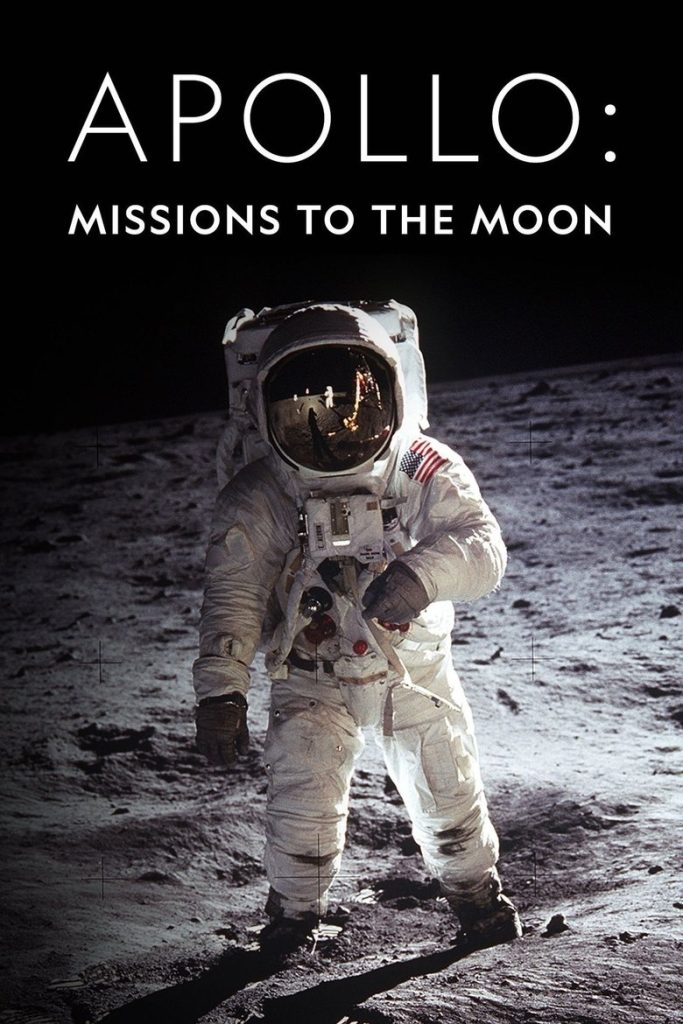
Story overview
Apollo: Missions to the Moon is a 2019 documentary that chronicles NASA's historic Apollo space program. Using archival footage and audio recordings, it follows the journey from the early missions through the iconic moon landing. The film captures the triumphs, challenges, and human drama of America's race to reach the lunar surface.
Parent Guide
Educational documentary suitable for school-aged children with parental guidance for historical context.
Content breakdown
Historical footage shows astronauts in dangerous situations during mission emergencies, particularly the Apollo 13 crisis. No graphic violence.
Tense moments during mission failures and emergencies. Some viewers might find scenes of spacecraft malfunctions concerning.
No offensive language in archival recordings. Professional communication typical of NASA missions.
No sexual content or nudity. Astronauts are shown in spacesuits or mission control settings.
No depiction of substance use. Professional environment throughout.
Emotional moments include mission successes, failures, and the tension of life-threatening situations in space. Historical significance adds emotional weight.
Parent tips
This documentary provides an excellent educational opportunity about space exploration and historical achievement. The archival footage may feel dated to younger viewers, but the historical significance and scientific content make it worthwhile for school-aged children.
Parents should be aware that while there's no graphic content, the film does include tense moments during mission emergencies and the Apollo 13 crisis. These sequences show astronauts in peril but are presented through historical footage rather than dramatic reenactments.
Parent chat guide
Consider connecting the film to current events by discussing modern space programs or STEM education. The documentary can inspire conversations about perseverance, scientific discovery, and what humans can achieve through collaboration and determination.
Parent follow-up questions
- What was your favorite part about the rockets?
- What do you think it would be like to float in space?
- How do astronauts eat and sleep in space?
- Why was it so important to go to the moon?
- What problems did the astronauts have to solve during their missions?
- How do you think the families of astronauts felt during the missions?
- What scientific discoveries came from the Apollo missions?
- How did teamwork help the astronauts overcome challenges?
- Why do you think space exploration is important for humanity?
- How did the space race reflect the political climate of the Cold War era?
- What ethical considerations should guide future space exploration?
- How has space technology developed since the Apollo program ended?
🎭 Story Kernel
The film isn't just about reaching the moon—it's about the collective human effort behind that singular achievement. Through archival footage and audio recordings, it exposes the tension between individual ambition and institutional machinery. Astronauts become both heroes and cogs in a vast system, driven by equal parts national pride, scientific curiosity, and personal obsession. The real drama unfolds in mission control rooms and living rooms, where success and failure are measured in heartbeats and oxygen levels. It's a story of fragile humanity operating at the edge of its technological capabilities.
🎬 Visual Aesthetics
The documentary masterfully employs a visual language of authenticity through grainy archival footage, creating an intimate time capsule. The color palette shifts dramatically—from the sterile whites and grays of mission control to the breathtaking blues of Earth against the black void of space. Camera work emphasizes scale through iconic wide shots of Saturn V launches contrasted with tight close-ups of astronaut faces during critical moments. The most powerful visual motif is the juxtaposition of human faces with cold machinery, reminding us that this technological marvel was powered by human emotion.
🔍 Details & Easter Eggs
💡 Behind the Scenes
Director Tom Jennings employed a unique 'no narrator' approach, using only archival audio and footage to tell the story. The film features recently discovered 70mm footage from NASA archives that hadn't been publicly seen in decades. Sound designers spent months cleaning up mission control audio to make conversations intelligible while preserving their raw quality. Many family home videos featured were donated by astronauts' relatives specifically for this documentary.
Where to watch
Choose region:
- Disney Plus
- Pluto TV
- Amazon Video
- Apple TV
- Google Play Movies
- YouTube
- Fandango At Home