
Apophis 2029 (2025)
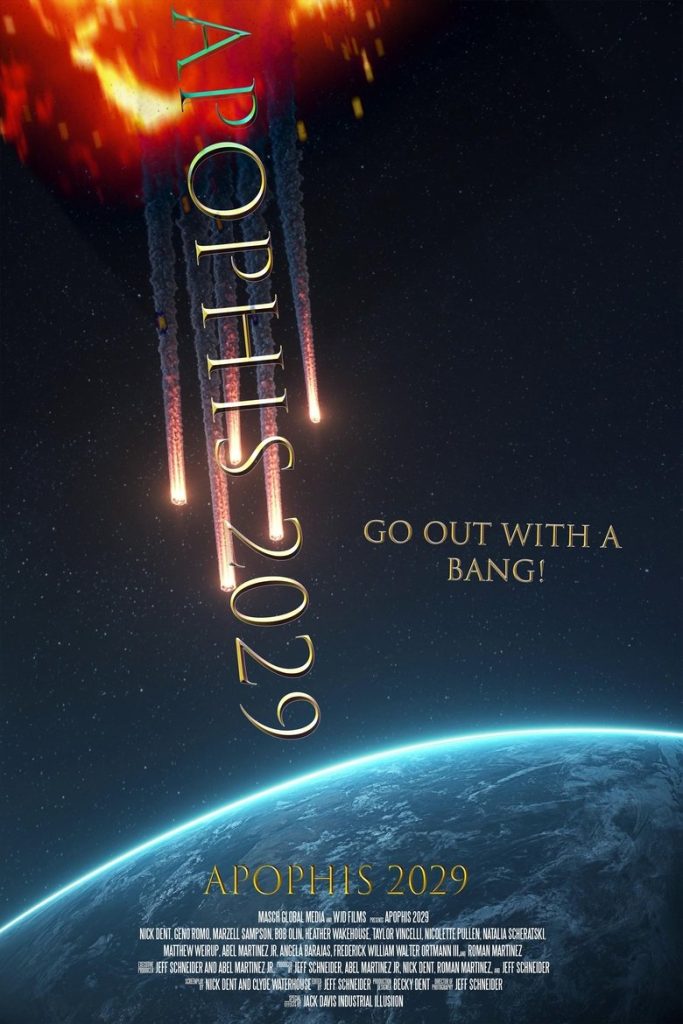
Story overview
Apophis 2029 is a science fiction drama that explores the real-life astronomical event of asteroid Apophis passing exceptionally close to Earth on April 13, 2029. The film depicts how this near-miss event affects humanity, focusing on scientific, emotional, and societal responses as the asteroid passes below Earth's satellites before re-emerging into space. The story likely centers on scientists, officials, or ordinary people grappling with the implications of this close encounter.
Parent Guide
A science-focused drama about a real astronomical event that may contain tense moments as humanity faces a cosmic threat. Best for children who can understand the difference between scientific possibility and fictional drama.
Content breakdown
Likely contains scenes of global tension and peril related to the asteroid threat, but no physical violence between characters is expected given the premise.
The concept of an asteroid passing extremely close to Earth may be frightening or anxiety-provoking for sensitive viewers, especially younger children who might not understand the scientific context.
No information about language content is available, but science fiction dramas typically maintain professional dialogue suitable for general audiences.
No indication of sexual content or nudity in this science-focused premise about an astronomical event.
No information about substance use, but the scientific/emergency response setting suggests professional behavior rather than recreational substance use.
Contains emotional tension related to global threat scenarios, scientific uncertainty, and humanity's vulnerability to cosmic events. May include scenes of anxiety, urgency, or relief.
Parent tips
This film deals with themes of cosmic threats and scientific uncertainty, which might be intense for younger children. Consider watching together to discuss the science behind asteroid tracking and planetary defense. The movie presents an opportunity to talk about real astronomy and how scientists monitor near-Earth objects. Since it's rated N/A and runtime is unspecified, previewing or researching reviews is recommended to assess appropriateness for your family.
Parent chat guide
Parent follow-up questions
- Did you see the big space rock in the movie?
- Were the people in the movie worried about the rock?
- What colors did you see in space?
- What did the scientists do to track the asteroid?
- How close did the asteroid come to Earth?
- Why do scientists watch for asteroids in space?
- What scientific methods were shown for tracking Apophis?
- How realistic do you think the asteroid's path was portrayed?
- What would be the real consequences if an asteroid actually hit Earth?
- How did the film balance scientific accuracy with dramatic tension?
- What societal impacts of a near-miss asteroid event were explored?
- How does this fictional portrayal compare to real planetary defense strategies?
Where to watch
Streaming availability has not been announced yet.