
Aquaman (2018)
Story overview
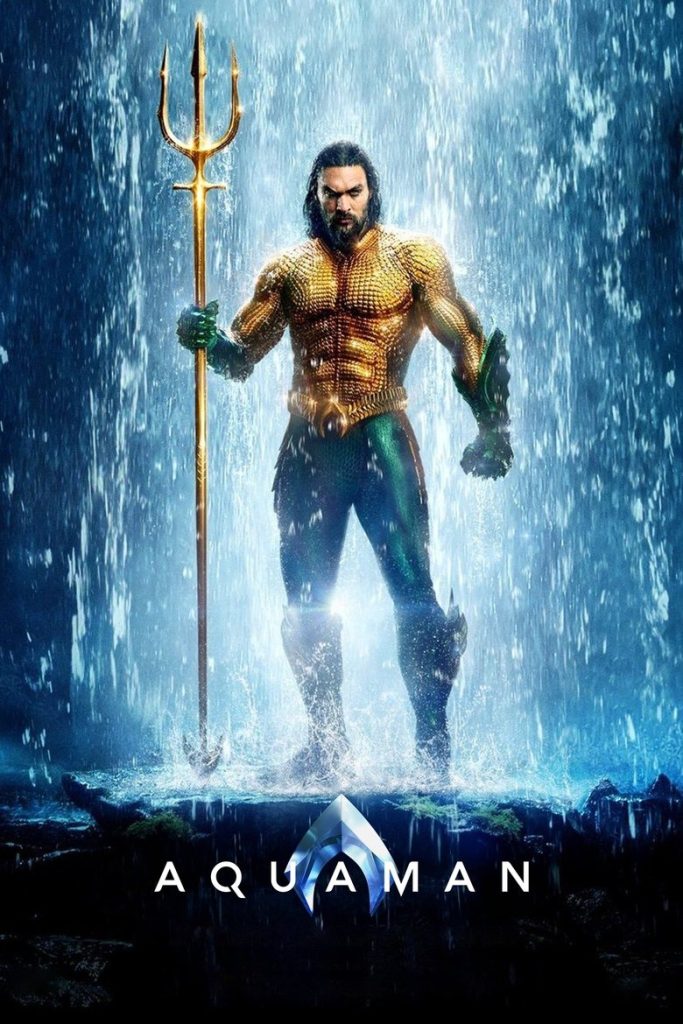
Aquaman (2018) is a superhero action-adventure film directed by James Wan, starring Jason Momoa as Arthur Curry, a half-human, half-Atlantean who must embrace his heritage to prevent a war between the surface world and the underwater kingdom of Atlantis. The story follows Arthur's journey to claim his rightful place as king, facing challenges, discovering his powers, and uniting divided realms. With stunning visual effects, epic underwater battles, and themes of identity, family, and responsibility, it blends fantasy elements with classic hero tropes in a PG-13 rated adventure.
Parent Guide
Aquaman is a visually spectacular superhero film with moderate action violence and fantasy peril, suitable for most children ages 8 and up with parental guidance. It contains themes of family conflict, heroism, and environmental responsibility, but may be too intense for very young viewers due to battle scenes and creature designs.
Content breakdown
Features frequent action sequences including underwater battles, hand-to-hand combat, and weapon use (e.g., tridents, energy blasts). Characters are in peril, with some injuries and destruction, but no graphic gore. Fantasy violence includes sea creatures attacking and large-scale conflicts.
Includes intimidating fantasy creatures (e.g., sea monsters, armored warriors), intense underwater settings, and suspenseful moments. Some scenes may be frightening for sensitive children, such as dark oceanic depths or confrontations with villains.
Infrequent use of mild language like 'hell' and 'damn'. No strong profanity.
Brief suggestive content, such as characters in revealing outfits and mild flirtation. No explicit nudity or sexual scenes.
No depiction of alcohol, drugs, or smoking.
Emotional themes include family betrayal, identity struggles, and responsibility. Scenes of conflict and loss may be impactful, but balanced with heroic triumphs and humor.
Parent tips
Aquaman is rated PG-13 for sequences of sci-fi violence and action, and for some language. It features intense underwater battles, perilous situations, and fantasy creatures that may be frightening for younger children. Parents should note moderate violence, mild language, and brief suggestive content. Recommended for ages 8 and up with guidance, as it explores themes of family conflict and heroism. Consider discussing the film's messages about leadership and environmental responsibility with older kids.
Parent chat guide
Parent follow-up questions
- Who was your favorite character in the movie?
- What was the coolest part of the underwater world?
- How did Aquaman help people?
- Why did Arthur have to prove he was worthy to be king?
- What challenges did he face in Atlantis?
- How did the movie show the importance of protecting the ocean?
- What did you think about the conflict between Arthur and his brother Orm?
- How did the movie blend fantasy elements with real-world issues like pollution?
- What qualities make a good leader, based on Arthur's journey?
- How does Aquaman explore themes of identity and heritage?
- Discuss the political dynamics in Atlantis—were they portrayed realistically?
- What are the environmental messages in the film, and how effective are they?
🎭 Story Kernel
At its core, 'Aquaman' is less about superheroics and more about Arthur Curry's journey to reject the toxic masculinity he inherited from both his human father (who teaches him to fight but not connect) and Atlantean heritage (which values conquest over compassion). The film's central conflict isn't Arthur vs. Orm, but Arthur vs. the expectation that he must become a violent ruler to be worthy. His true heroism emerges when he chooses diplomacy over domination, healing the rift between surface and sea through empathy rather than force. The Trench sequence particularly highlights this - Arthur doesn't defeat the monsters through strength, but by understanding their nature and using light (enlightenment) to survive.
🎬 Visual Aesthetics
Director James Wan creates a visual language that constantly contrasts two worlds: the muted, desaturated surface world (representing Arthur's emotional isolation) and the vibrant, neon-drenched Atlantis (representing overwhelming responsibility). The camera moves with fluid, underwater grace even in land-based scenes, creating subconscious aquatic continuity. Most telling is the color symbolism: gold represents legacy and connection (Atlanna's trident, Arthur's final armor), while silver represents cold tradition (Orm's armor, Atlantean weapons). The action sequences aren't just spectacle - the Sicily rooftop chase uses verticality to mirror underwater depth, while the final battle's swirling debris field visually represents Arthur literally navigating the wreckage of his divided heritage.
🔍 Details & Easter Eggs
💡 Behind the Scenes
Jason Momoa actively collaborated on Arthur's characterization, drawing from his Hawaiian heritage to incorporate Polynesian warrior traditions into the fighting style and pushing for more emotional vulnerability than typical superhero roles. The underwater scenes required revolutionary techniques: actors were suspended on wires while giant fans blew their hair and costumes, then digitally composited into CGI environments. Most surprisingly, the Trench sequence's practical effects included puppeteers in black suits manipulating the creatures on set, giving the actors something physical to react to despite the digital-heavy final product.
Where to watch
Choose region:
- HBO Max
- HBO Max Amazon Channel
- YouTube TV
- Amazon Video
- Apple TV Store
- Google Play Movies
- YouTube
- Fandango At Home
- Plex
Trailer
Trailer playback is unavailable in your region.