
Arthur Miller: Writer (2017)
Story overview
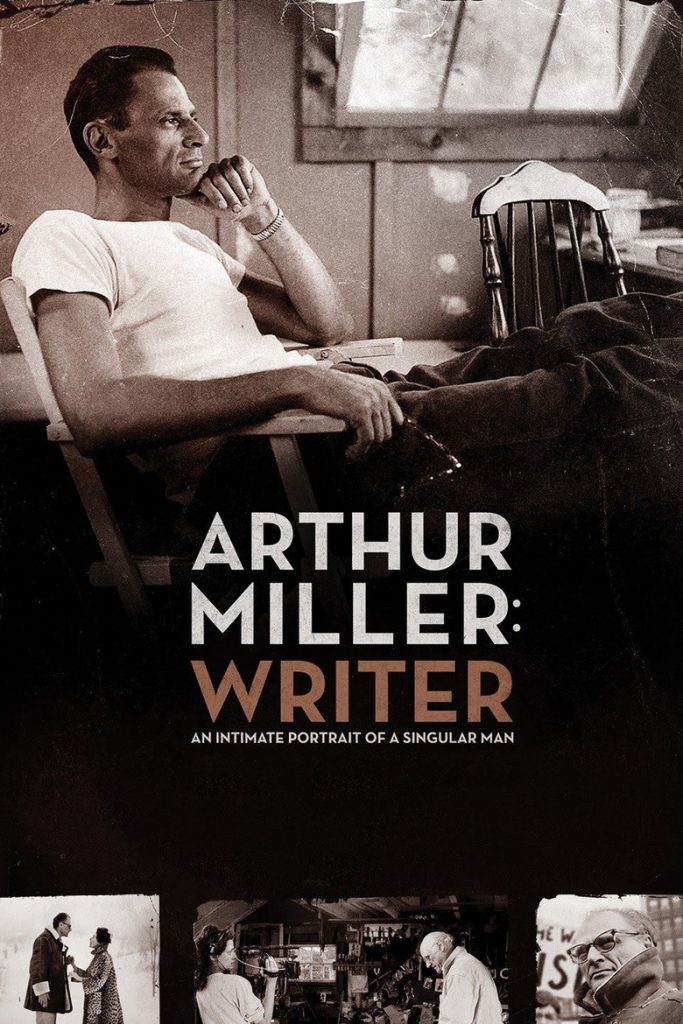
This documentary provides an intimate look at Arthur Miller's life through his daughter's perspective, exploring his celebrated plays like 'Death of a Salesman' and 'The Crucible', his political challenges during the McCarthy era, and his marriage to Marilyn Monroe. It combines archival footage and interviews to reveal his artistic journey and personal complexities.
Parent Guide
A thoughtful documentary suitable for mature children and teens, focusing on literary and historical themes with minimal concerning content.
Content breakdown
No physical violence or peril depicted; discussions of political persecution are historical and non-graphic.
Mildly disturbing themes related to political witch-hunts and personal turmoil, presented in a documentary style without intense visuals.
No offensive language noted; the content is educational and respectful.
No sexual content or nudity; references to Miller's marriage are discussed in a factual manner.
No depiction or discussion of substance use.
Moderate emotional intensity due to themes of persecution, artistic struggle, and complex relationships, handled in a reflective tone.
Parent tips
This documentary is suitable for older children and teens interested in literature, history, or theater. It discusses mature themes like political persecution and complex relationships, so consider watching together to provide context. The pacing is thoughtful, making it better for viewers who can engage with reflective content.
Parent chat guide
Parent follow-up questions
—
—
- What did you learn about Arthur Miller's plays?
- How do you think it felt to be questioned by the government?
- Why is it important to stand up for what you believe in?
- How does Miller's work reflect the social issues of his time?
- What insights does the documentary provide about the relationship between art and politics?
- How does Rebecca Miller's perspective as a daughter influence the narrative?
- Discuss the ethical dilemmas faced by Miller during the McCarthy era.
🎭 Story Kernel
The film is less a celebration of Miller's literary triumphs and more a profound exploration of the personal cost of artistic obsession. It posits that the drive to create enduring art—to capture the moral conscience of a nation—often comes at the expense of intimate human connection. We see this through his strained relationships, particularly with his son, Daniel, and the lingering specter of his marriage to Marilyn Monroe. The narrative kernel is the tension between public legacy and private failure, suggesting that Miller's greatest plays were forged in the crucible of his own familial and emotional shortcomings.
🎬 Visual Aesthetics
The visual language is intimate and archival, favoring close-ups on Miller's weathered face and hands, making the documentary feel like a private confession. Intercutting stark, present-day interviews with grainy, evocative home movies and historical footage creates a poignant contrast between the public icon and the private man. The color palette often drains to sepia or black-and-white when dealing with the past, particularly the Monroe era, visually underscoring memory and loss. The camera lingers in the quiet, book-filled spaces of his home, framing his solitude as both a sanctuary and a prison.
🔍 Details & Easter Eggs
💡 Behind the Scenes
The documentary was directed by Miller's daughter, Rebecca Miller, which explains its unprecedented access and unflinching personal perspective. Much of the intimate home movie footage, including rare glimpses of family life with Marilyn Monroe, was drawn from the Miller family's private archives. The film was shot over several years, allowing it to capture the playwright in the final chapter of his life, adding a layer of poignant reflection and summation to his narratives.
Where to watch
Choose region:
- HBO Max
- Amazon Video
- Google Play Movies
- YouTube
- Fandango At Home
- Apple TV Store
Trailer
Trailer playback is unavailable in your region.