
As Tears Go By (1988)
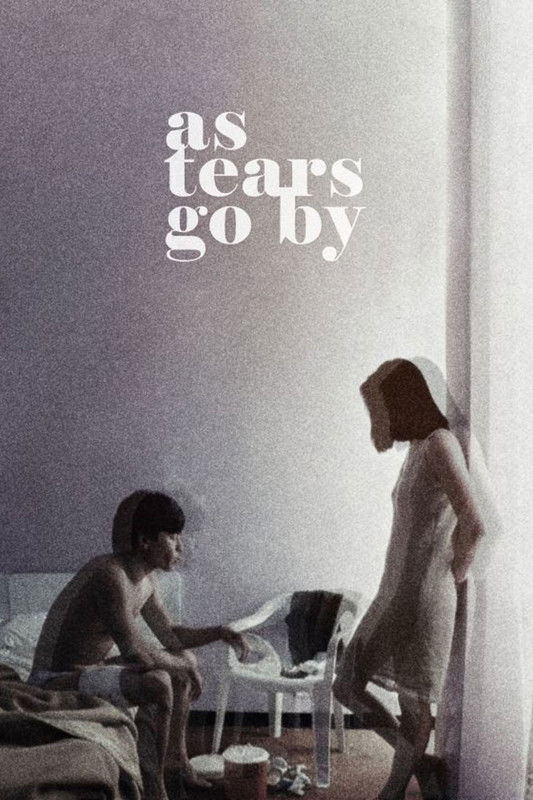
Story overview
As Tears Go By is a 1988 Hong Kong crime drama directed by Wong Kar-Wai. The film follows Wah, a mid-level gangster who navigates the dangerous underworld while protecting his impulsive friend Fly. Amidst this violent environment, Wah develops romantic feelings for his cousin, creating a tense conflict between his criminal obligations and personal desires. The story explores themes of loyalty, love, and the consequences of life choices within a gritty urban setting.
Parent Guide
A gritty crime drama with moderate to strong violence, emotional intensity, and mature themes about criminal lifestyles and conflicted relationships. Not suitable for young children.
Content breakdown
Gang fights, beatings, knife violence, and threats. Some blood shown but not excessively graphic. Characters are in frequent danger due to criminal activities.
Tense situations involving criminal violence and peril. The volatile nature of gang conflicts creates sustained tension. No supernatural or horror elements.
Occasional strong language in subtitles (original Cantonese dialogue). Some insults and crude references related to criminal contexts.
Romantic tension and kissing. No explicit sexual content or nudity. The central relationship involves cousins, which may require cultural context discussion.
Social drinking and smoking depicted as part of the criminal underworld culture. No glorification of substance abuse.
High emotional stakes due to life-threatening situations, moral conflicts between loyalty and self-preservation, and complicated romantic feelings. The film's moody atmosphere adds to the intensity.
Parent tips
This film contains significant gang violence, including fights, beatings, and weapon use. The criminal lifestyle is portrayed with realistic consequences. There are romantic elements but no explicit sexual content. The emotional intensity is high due to the dangerous situations and moral conflicts. Recommended for mature teens who can handle violent themes and complex relationships.
Parent chat guide
Parent follow-up questions
—
—
- What makes someone a good friend? How would you help a friend making bad choices?
- Why do you think people sometimes stay in dangerous situations?
- How does the film portray the consequences of gang involvement? What alternatives could the characters have chosen?
- What does the film suggest about love versus obligation? How do cultural factors influence the characters' decisions?
- How does the director use visual style to convey emotion and tension? What themes about urban life emerge?
🎭 Story Kernel
At its core, 'As Tears Go By' explores the impossibility of escape within a predetermined social ecosystem. Wah, the small-time gangster, isn't driven by ambition for power, but by a weary obligation to the toxic brotherhood that defines him. His attraction to his cousin Ngor represents a pure, impossible alternative—a life of quiet normalcy. The film's tragedy isn't that Wah chooses crime over love, but that the system he's embedded in offers no real choice. His fatalistic loyalty to Fly, the reckless younger brother-figure, is the anchor that drowns any chance of redemption, making the story a poignant study of entrapment.
🎬 Visual Aesthetics
Wong Kar-wai's visual signature is already palpable in this debut. The cinematography bathes Hong Kong's cramped apartments and neon-lit streets in a saturated, almost sickly palette of greens, reds, and blues, visually externalizing the characters' feverish emotional states. The camera is restless, using slow-motion not for grandeur but to stretch moments of violence and longing into agonizing tableaus. The famous hallway fight is a masterpiece of chaotic, intimate brutality, with the camera lurching and crowding the frame, making the viewer feel every desperate blow. This isn't slick action; it's ugly, exhausting, and deeply personal.
🔍 Details & Easter Eggs
💡 Behind the Scenes
This was Wong Kar-wai's directorial debut, produced by the famed Hong Kong studio Cinema City, which expected a straightforward gangster film. Wong subverted expectations, laying the groundwork for his auteur style. Andy Lau, already a major star, took a pay cut to work with the then-unknown director. The iconic, grungy aesthetic was achieved by shooting extensively in the cramped, vibrant Mongkok district, with cinematographer Andrew Lau using fast film stock that accentuated grain and color saturation, a look that would become a Wong Kar-wai trademark.
Where to watch
Choose region:
- HBO Max
- HBO Max Amazon Channel
- Criterion Channel
Trailer
Trailer playback is unavailable in your region.