
Asakusa Kid (2021)
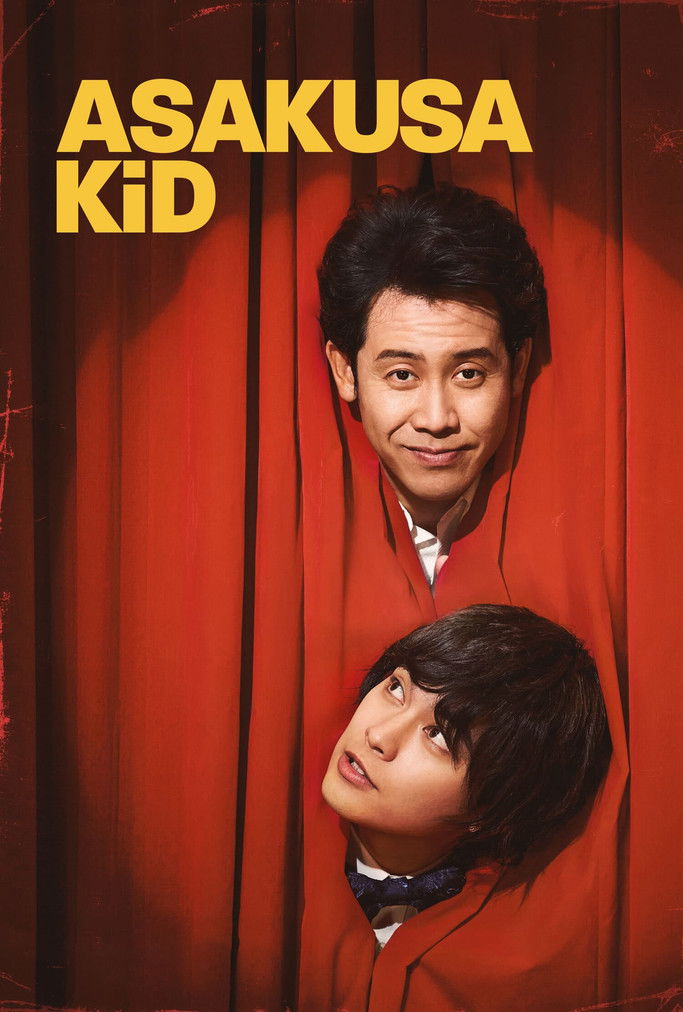
Story overview
Asakusa Kid is a 2021 Japanese drama film that follows a young man's journey into the world of traditional Japanese comedy and theater in Tokyo's historic Asakusa district. The story explores themes of mentorship, artistic passion, and cultural traditions as the protagonist navigates the challenges of pursuing his dreams. Through this coming-of-age narrative, the film offers insights into Japanese performing arts and the dedication required to master them.
Parent Guide
This TV-MA rated drama contains mature content that requires parental discretion. The film explores artistic dedication and cultural traditions within a coming-of-age framework.
Content breakdown
May include dramatic tension or conflicts typical of character-driven stories.
Could contain emotionally intense scenes related to artistic struggles or personal challenges.
TV-MA rating suggests potentially strong language may be present.
TV-MA rating indicates possible sexual content or nudity.
May include social drinking or references to substances given the mature rating.
Explores themes of artistic passion, mentorship, and personal growth with emotional depth.
Parent tips
This film is rated TV-MA, indicating it's intended for mature audiences and may not be suitable for children under 17 without parental guidance. The rating suggests the content may include material that parents would find inappropriate for younger viewers, such as strong language, sexual content, violence, or other mature themes. Consider previewing the film or researching specific content details before deciding if it's appropriate for your family.
Parent chat guide
Parent follow-up questions
- What kind of shows do you like to watch?
- Have you ever seen people performing on a stage?
- What makes you laugh when you watch something funny?
- What do you think it takes to become really good at something like acting or comedy?
- How do you think the main character felt when learning new things?
- What traditions does our family have that are important to us?
- Why do you think people dedicate their lives to preserving traditional arts?
- How does mentorship help someone learn a skill or art form?
- What challenges might someone face when pursuing an artistic career?
- How does this film portray the balance between tradition and innovation in the arts?
- What does this story reveal about the sacrifices required for artistic excellence?
- How do cultural contexts influence what we consider entertaining or meaningful?
🎭 Story Kernel
At its heart, 'Asakusa Kid' explores the painful, necessary process of artistic individuation. It's not merely a biopic of Takeshi Kitano's early years but a universal study of how talent is forged in the crucible of mentorship and rebellion. The film dissects the paradoxical relationship between master and disciple: Fukami provides the stage, discipline, and brutal honesty that young Takeshi needs, yet that very framework becomes a cage the apprentice must eventually break. The driving force isn't ambition for fame, but the desperate need to find one's own voice while honoring the debt to the teacher who helped shape it. The climax isn't a triumphant debut, but the quiet, heartbreaking moment of leaving—the ultimate act of gratitude and betrayal required for growth.
🎬 Visual Aesthetics
The film's visual language masterfully mirrors its thematic tension between tradition and rebellion. Early scenes in the Asakusa France-za theater are bathed in the warm, sepia-toned glow of footlights and backstage bulbs, creating a cocooned, almost sacred space. The camera often observes from static, theatrical angles, framing the comedy routines like live performances. As Takeshi's restlessness grows, the palette cools, with more scenes in stark, blue-tinged streets and cramped apartments. The editing shifts too—from the rhythmic pacing of skit sequences to more fractured, contemplative cuts as he questions his path. Most poignant are the silent close-ups on hands: Fukami's experienced gestures teaching slapstick, contrasted with Takeshi's fumbling attempts, visually charting the transfer and transformation of craft.
🔍 Details & Easter Eggs
💡 Behind the Scenes
The film is directed by Gekidan Hitori, who himself was a protégé of Beat Takeshi, adding a deeply personal, meta-layer to the mentorship story. Many exterior scenes were shot on location in modern Asakusa, requiring meticulous digital and practical effects to recreate the 1970s ambiance. Notably, the actor playing young Takeshi, Yo Oizumi, spent months studying Kitano's specific physical mannerisms and deadpan delivery from archival footage, not just imitating but decomposing the comic timing that would later define Kitano's iconic style.
Where to watch
Choose region:
- Netflix
- Netflix Standard with Ads
Trailer
Trailer playback is unavailable in your region.