
At the Heart of Gold: Inside the USA Gymnastics Scandal (2019)
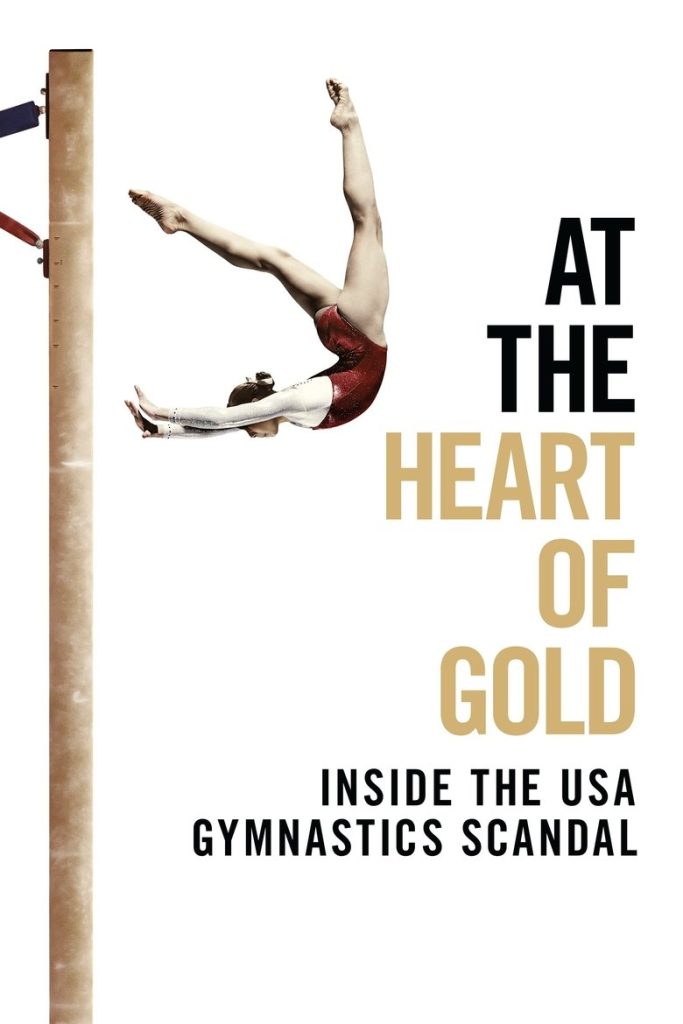
Story overview
This documentary examines the widespread sexual abuse scandal within USA Gymnastics, focusing on the experiences of elite athletes who suffered under team doctor Larry Nassar. It combines archival footage, news coverage, and emotional interviews with survivors like Simone Biles and Aly Raisman to reveal systemic failures that allowed abuse to persist for decades. The film juxtaposes the intense pursuit of athletic excellence with the devastating personal costs of institutional betrayal.
Parent Guide
This documentary contains extremely mature content about sexual abuse of minors and requires careful consideration before viewing with children. The emotional intensity and graphic descriptions make it inappropriate for viewers under 16 without parental guidance and preparation.
Content breakdown
No physical violence is shown, but there are detailed descriptions of sexual abuse and discussions of psychological manipulation. The peril comes from institutional betrayal and the lasting trauma experienced by survivors.
Extremely disturbing content includes detailed survivor accounts of sexual abuse, discussions of grooming behaviors, and revelations about institutional cover-ups. The documentary shows how trusted adults and organizations failed to protect children.
Occasional strong language in news clips and survivor interviews, but not excessive. The focus is on the serious subject matter rather than profanity.
Extensive discussion and detailed descriptions of sexual abuse of minors, though no explicit visual depictions. Includes discussions of medical procedures used as cover for abuse and graphic survivor testimonies.
No substance use depicted or discussed.
Extremely intense emotional content throughout, including tearful survivor testimonies, discussions of trauma and recovery, and revelations about institutional failures. The film deals with betrayal, anger, grief, and resilience in the face of systemic abuse.
Parent tips
This documentary deals with extremely sensitive material about child sexual abuse and institutional cover-ups. It contains graphic descriptions of abuse, emotional survivor testimonies, and discussions of trauma. Consider watching it yourself first to assess appropriateness for your family. If viewing with older teens, be prepared for difficult conversations about consent, power dynamics, and institutional accountability. The film may be particularly triggering for anyone with personal experience of sexual trauma.
Parent chat guide
Parent follow-up questions
—
—
—
- What did you learn about how institutions can fail to protect people?
- How did the survivors show courage in telling their stories?
- What systems or changes could prevent similar situations?
- How can we support people who have experienced trauma?
- What does this film teach us about believing people when they report abuse?
🎭 Story Kernel
The film's core is not just a chronicle of abuse, but a forensic examination of systemic failure. It expresses how a culture of winning at all costs—driven by national pride, organizational greed, and misplaced trust in authority—created a perfect ecosystem for predation. The characters are driven by conflicting forces: the survivors by a desperate need for justice and validation, the enablers by willful ignorance and self-preservation, and the institution by a pathological desire to protect its brand. The real antagonist is the system itself, which prioritized medals over the humanity of the children it was meant to serve.
🎬 Visual Aesthetics
The visual language is starkly bifurcated. Archival footage of glittering Olympic triumphs is bathed in warm, celebratory light, creating a painful juxtaposition against the cold, intimate interviews conducted in muted, neutral settings. The camera holds tightly on survivors' faces, forcing us to sit with their trauma. There are no dramatic reenactments; the power comes from this unflinching stillness. The most potent symbolism is in the contrast between the polished, public spectacle of gymnastics and the raw, private anguish revealed in testimony, visually dissecting the facade.
🔍 Details & Easter Eggs
💡 Behind the Scenes
Director Erin Lee Carr is known for her documentary work on complex justice systems, which informed this methodical approach. The film's title directly references the 'Heart of Gold' motto used by Michigan State University, one of the enabling institutions. Much of the impactful courtroom footage comes from the actual sentencing hearings, where over 150 survivors gave statements, providing the raw emotional core. The production faced the ethical challenge of visually representing trauma without exploitation, leading to the decision to rely almost entirely on testimony and archival material.
Where to watch
Choose region:
- HBO Max
Trailer
Trailer playback is unavailable in your region.