
Au Revoir les Enfants (1987)
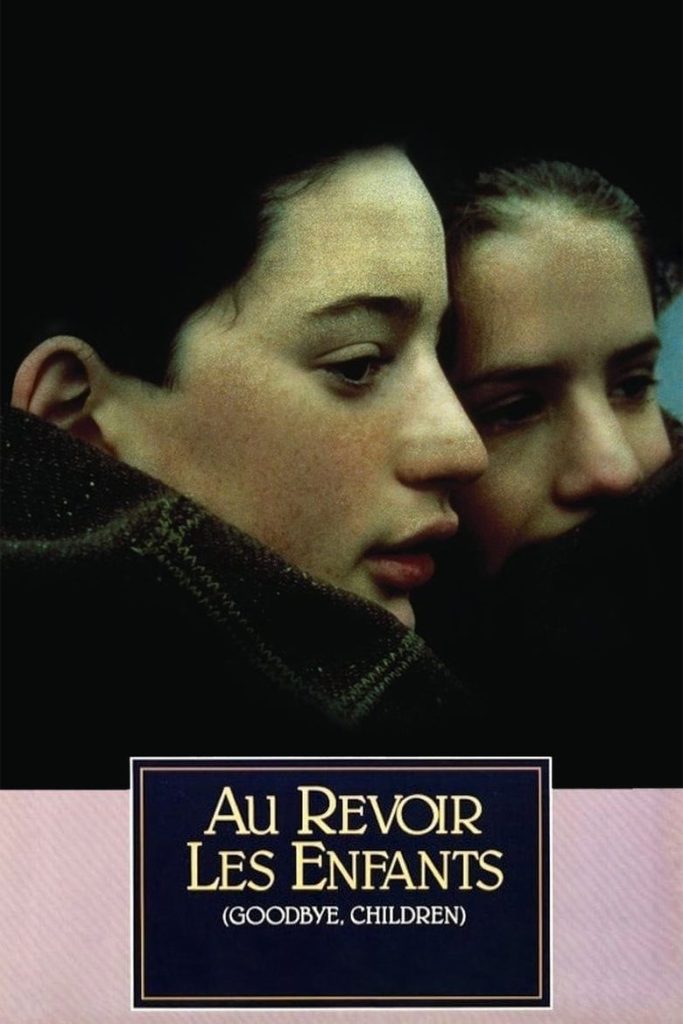
Story overview
Au Revoir les Enfants is a poignant 1987 French-German drama set in Nazi-occupied France during World War II. Directed by Louis Malle and based on his childhood experiences, it follows the friendship between two boys at a Catholic boarding school. Their bond is tested when a secret about one boy's identity is revealed, leading to a tragic conclusion that explores themes of courage, betrayal, and loss. The film is a subtle, emotionally resonant portrayal of innocence shattered by war.
Parent Guide
A historically significant drama with emotional depth, suitable for mature children and teens. Requires parental guidance due to themes of war and loss.
Content breakdown
No graphic violence is shown. There are scenes of tension and peril, such as Nazi soldiers searching the school and characters in hiding. The climax involves an arrest and implied deportation, but it is not depicted violently.
Themes of persecution, betrayal, and loss are central. The ending is tragic and emotionally heavy, with characters facing grave consequences. Scenes of soldiers and wartime anxiety may be unsettling for younger viewers.
No offensive or strong language is present. The dialogue is in French with subtitles, focusing on dramatic and historical context.
No sexual content or nudity. The film centers on platonic friendship and historical events.
No depiction of substance use. The setting is a strict boarding school environment.
High emotional intensity due to themes of friendship, secrecy, and tragic loss. The film builds to a heartbreaking conclusion that may evoke sadness or distress, particularly for sensitive viewers. Based on real events, it carries significant emotional weight.
Parent tips
This film deals with mature themes of war, persecution, and loss, making it best suited for older children and teens. Parents should be prepared to discuss the historical context of Nazi-occupied France and the Holocaust. The emotional intensity and tragic ending may be distressing for sensitive viewers. Watch together to provide context and support, and consider pausing to explain key moments. The film's PG rating reflects its lack of graphic violence or explicit content, but its themes require emotional maturity.
Parent chat guide
Parent follow-up questions
—
- What did you like about the friendship between the two boys?
- How did you feel when they were at school together?
- What do you think 'being brave' means in the story?
- Why do you think Julien kept Jean's secret? What would you have done?
- How did the war affect the boys' lives at school?
- What lessons about friendship did you learn from the film?
- Discuss the moral dilemmas faced by characters in the film. How does it reflect real historical events?
- What does the film say about courage, cowardice, and complicity during wartime?
- How does the director use subtlety to convey the tragedy of the story? Analyze the ending's impact.
🎭 Story Kernel
Louis Malle's autobiographical masterpiece explores the fragility of innocence in the face of systemic evil. The film isn't about dramatic heroism but about quiet complicity and the moral awakening that comes too late. Julien's journey from petty schoolboy rivalries to unwitting accomplice in tragedy reveals how ordinary people enable atrocity through indifference and self-preservation. The real conflict isn't between Nazis and resistors, but within Julien himself—between his emerging friendship with Jean and his instinct to maintain social standing. The devastating climax shows how childhood's end arrives not through maturity, but through irreversible moral failure.
🎬 Visual Aesthetics
Malle employs a restrained, observational visual style that mirrors Julien's limited perspective. The camera often remains at child's-eye level, creating a world where adult conversations happen just out of frame. The muted color palette—dominated by institutional grays and browns—makes moments of warmth (like the piano recital) feel precious and temporary. Long takes during classroom scenes create a sense of normalcy that makes the intrusion of violence more shocking. The final shot of the empty schoolyard, with children's abandoned belongings, transforms a familiar space into a haunting memorial through composition alone.
🔍 Details & Easter Eggs
💡 Behind the Scenes
The film is Louis Malle's most personal work, based on his own childhood experience at a Catholic boarding school during the Occupation. The character of Jean Bonnet is based on Malle's real classmate, Hans-Helmut Michel, who was discovered and deported. Malle waited 40 years to tell this story, needing emotional distance from the trauma. The young actors were largely non-professionals, with Gaspard Manesse (Julien) being discovered at a Parisian school. The film was shot at the actual Château de Montmorency, which served as the school during the Occupation.
Where to watch
Choose region:
- HBO Max
- HBO Max Amazon Channel
- Criterion Channel
- Fandango At Home
Trailer
Trailer playback is unavailable in your region.