
Avengers: Endgame (2019)
Story overview
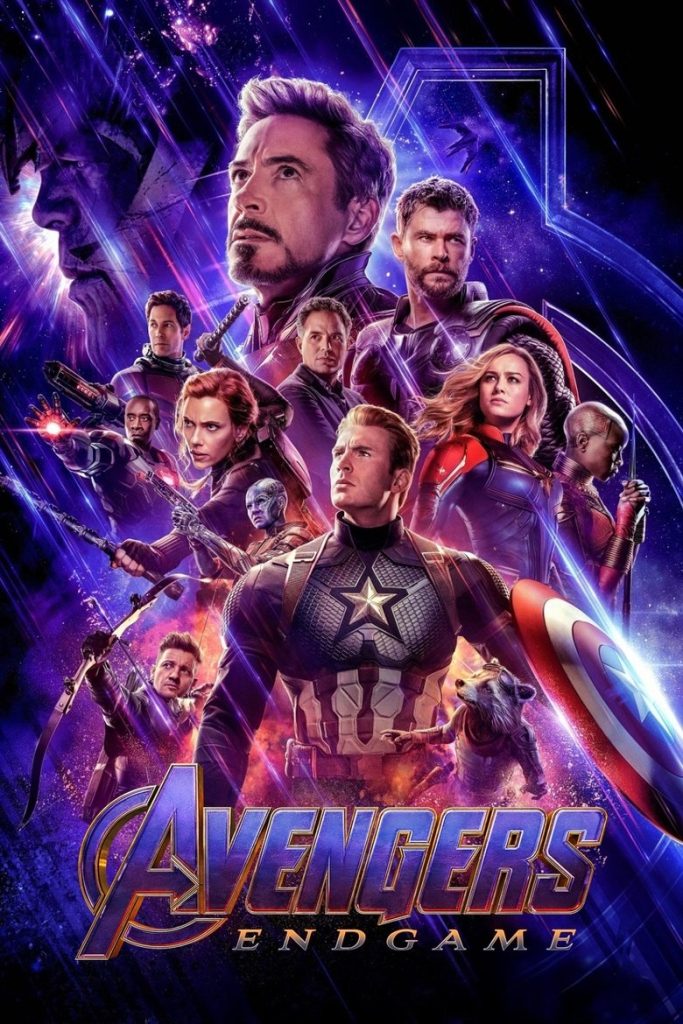
Avengers: Endgame is the epic conclusion to a long-running superhero saga where Earth's mightiest heroes face their greatest challenge. After a catastrophic event that wiped out half of all life, the remaining Avengers must come together for one final mission to restore balance to the universe. This action-packed adventure combines emotional character moments with spectacular battles as heroes make difficult choices and sacrifices to save everything they hold dear.
Parent Guide
A superhero epic with intense action sequences and emotional themes best suited for older children and teens.
Content breakdown
Extended sequences of sci-fi violence including large-scale battles, hand-to-hand combat, and use of weapons and superpowers. Characters face significant peril and some die, though deaths are generally not graphic.
Some potentially disturbing concepts including mass disappearance of people, emotional character deaths, and high-stakes situations. The tone is often serious with moments of tension.
Occasional mild profanity and insults typical of PG-13 action films. Nothing extreme or frequent.
No sexual content or nudity. Some brief romantic moments between characters are limited to kissing.
No substance use depicted. Characters may toast with drinks in social settings.
High emotional stakes throughout with themes of loss, grief, sacrifice, and redemption. Characters experience significant emotional journeys that could resonate deeply with viewers.
Parent tips
Avengers: Endgame is rated PG-13 for intense sequences of sci-fi violence and action, and some language. The film features numerous large-scale battles with superheroes using powers and weapons against alien armies and villains. While the violence is stylized and fantastical, it can be intense with characters facing peril and some emotional deaths.
At 3 hours long, this film requires sustained attention which may be challenging for younger viewers. The complex plot builds on many previous Marvel films, so children unfamiliar with the series might find some elements confusing. The emotional stakes are high throughout, with themes of loss, sacrifice, and redemption that could resonate deeply with older children and teens.
Parent chat guide
After the film, focus conversations on the characters' choices and motivations rather than just the action sequences. Ask what they thought about how different heroes worked together and what they sacrificed for others. This can lead to meaningful discussions about real-world values like cooperation, perseverance, and caring for others.
Parent follow-up questions
- Which superhero did you like the most and why?
- What was your favorite part of the movie?
- How did the heroes help each other?
- What colors did you see in the movie?
- How did the movie make you feel?
- Why do you think the heroes kept trying even when things were difficult?
- What did you think about how the heroes worked as a team?
- How did different heroes use their special abilities to help?
- What would you do if you had superpowers?
- What was the most exciting part for you?
- What do you think the movie was saying about teamwork and sacrifice?
- How did different characters show courage in the story?
- What challenges did the heroes face and how did they overcome them?
- Why do you think some characters made difficult choices?
- What did you learn about friendship from this story?
- How does this film explore themes of responsibility and consequences?
- What do you think about the ethical choices characters made throughout the story?
- How does the film balance action with character development?
- What messages about hope and perseverance did you take from the film?
- How do the characters' relationships evolve throughout their journey?
🎭 Story Kernel
At its core, 'Endgame' is about grief, failure, and the desperate, often selfish, lengths people will go to undo loss. It's not driven by a villain, but by trauma. The first act is a masterclass in depicting depression—the Avengers aren't heroes here; they're broken people. The Time Heist isn't a clever plan but a collective act of denial, a refusal to accept the new, quieter world. The film's true conflict is between those who have moved on (Hawkeye's rage, Black Widow's managerial grief) and those stuck in the past (Tony's isolated paradise, Steve's longing). The climax isn't about beating Thanos; it's about the survivors finally choosing to fight for a future, not just a past.
🎬 Visual Aesthetics
The film's visual language is starkly divided. The post-Snap world is drained of color, shot with static, wide frames emphasizing emptiness and isolation (Tony and Nebula adrift, Steve's support group). This contrasts violently with the Time Heist sequences, which are saturated with nostalgic, franchise-specific palettes—the warm golds of Asgard, the gritty sepia of 2012 New York. The final battle abandons subtlety for operatic scale: a single, continuous tracking shot through the chaos, culminating in the iconic 'Portals' moment. The most powerful image isn't action, but silence: Thanos sitting alone at his farm, watching the sunrise he won't live to see, framed like a tired, victorious general.
🔍 Details & Easter Eggs
💡 Behind the Scenes
Robert Downey Jr. ad-libbed Tony Stark's devastating line, 'I love you 3000,' based on something his own children used to say to him. The massive, 11-minute final battle was shot over 30 days in a parking lot in Atlanta, with most actors in mocap suits against green screens, requiring immense coordination. To preserve secrecy, the script for the final battle was referred to on set as 'The Wedding,' and fake scenes were filmed. Josh Brolin's Thanos performance combined meticulous facial capture with Brolin's physical acting, often shot separately from other actors to sell the character's scale and otherness.
Where to watch
Choose region:
- Disney Plus
- TNT
- TBS
- tru TV
- Amazon Video
- Apple TV
- Google Play Movies
- YouTube
- Fandango At Home
Trailer
Trailer playback is unavailable in your region.