
Back to the Outback (2021)
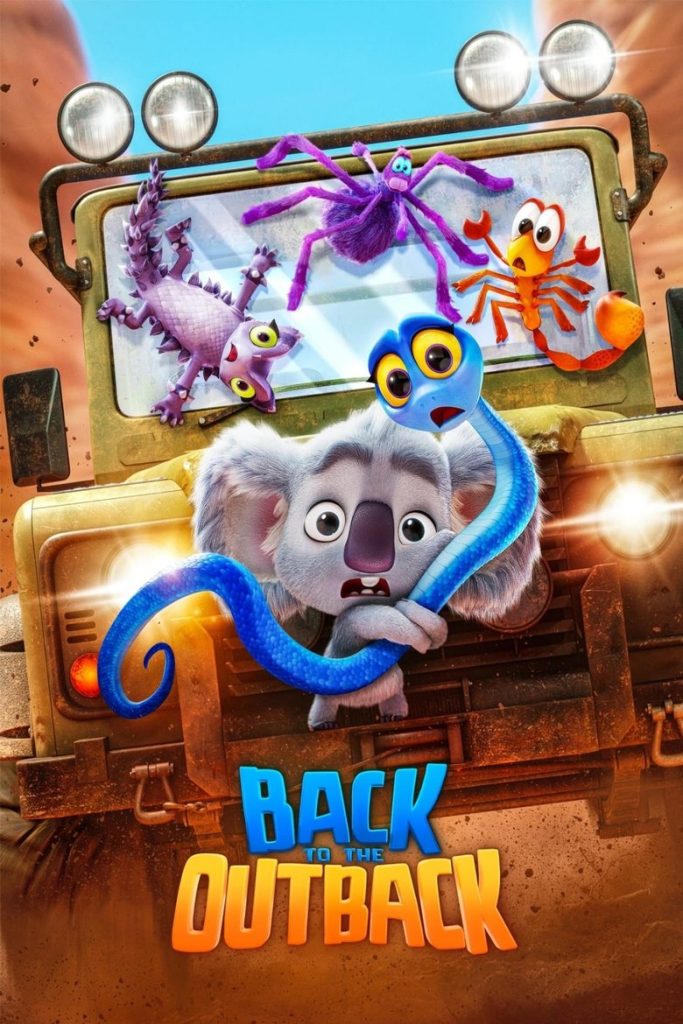
Story overview
This animated family adventure follows a group of Australian animals who feel misunderstood and mistreated in their zoo enclosure. Tired of being viewed as frightening monsters by human visitors, they devise a plan to escape to the Outback where they hope to find acceptance. Their journey becomes a quest for belonging and self-discovery as they navigate challenges together. The film combines humor with themes of friendship, identity, and overcoming prejudice.
Parent Guide
A family-friendly animated adventure with positive messages about acceptance and friendship, suitable for most children with mild cartoon action.
Content breakdown
Cartoonish chase scenes and mild peril as animals escape and face obstacles; no graphic violence.
Some tense moments during escape sequences; animals are occasionally in danger but outcomes are positive.
No offensive language; dialogue is family-appropriate throughout.
No sexual content or nudity; characters are animated animals.
No depiction of alcohol, drugs, or substance use.
Mild emotional moments related to feeling misunderstood and seeking acceptance; generally upbeat tone.
Parent tips
This PG-rated animated film contains mild peril and comedic action sequences that might be slightly intense for very young children. The story deals with themes of feeling misunderstood, seeking acceptance, and working together as a team. Some scenes involve animals being chased or facing obstacles during their escape, but these are presented in a cartoonish, non-graphic manner appropriate for family viewing.
The film's positive messages about friendship, embracing differences, and finding where you belong make it a good conversation starter. Parents should be aware that the premise involves animals escaping from captivity, which might prompt questions about zoos and animal treatment. The humor is generally gentle and family-friendly, with no inappropriate content.
Parent chat guide
For younger children, you might focus on the friendship aspects and how the animals help each other. For older children, you could discuss deeper themes about prejudice, self-acceptance, and what it means to find your true home. The escape journey provides opportunities to talk about problem-solving and perseverance when facing challenges.
Parent follow-up questions
- Which animal was your favorite and why?
- How did the animals help each other during their adventure?
- What was the funniest part of the movie?
- Have you ever felt scared like the animals did?
- Where would you like to go on an adventure?
- Why do you think the animals wanted to leave the zoo?
- What does it mean to 'fit in' somewhere?
- How did the animals show they were good friends to each other?
- What challenges did the animals face during their journey?
- What did you learn about Australian animals from this movie?
- How does the movie show that appearances can be misleading?
- What does the Outback represent to the animals in the story?
- How do the characters change or grow during their journey?
- What messages does the film give about teamwork and cooperation?
- How does the movie balance humor with more serious themes?
- What commentary does the film make about how society treats those who are different?
- How does the escape journey serve as a metaphor for personal growth?
- What does the film suggest about finding where you truly belong?
- How are themes of prejudice and acceptance handled in the story?
- What makes this animated film different from others you've seen?
🎭 Story Kernel
At its core, 'Back to the Outback' is a sharp satire of prejudice and performative acceptance. The film cleverly inverts the 'ugly duckling' trope—here, the 'monsters' are the ones seeking liberation from the zoo's gilded cage of conditional love. Maddie's journey isn't just about returning home; it's a rebellion against being reduced to a spectacle. Her drive stems from a profound desire for autonomy and dignity, rejecting the zoo's narrative that frames her existence as something to be tolerated rather than celebrated. The film argues that true belonging isn't found in assimilation but in a community that sees your inherent worth, fangs and all.
🎬 Visual Aesthetics
The animation employs a striking visual dichotomy. The zoo is rendered in hyper-saturated, almost plasticine colors—a sanitized, artificial paradise that feels as constricting as it is bright. In contrast, the Australian outback unfolds in rich, earthy ochres, deep greens, and dusty blues, its textures feeling tangible and wild. This palette shift mirrors the characters' journey from performative captivity to authentic existence. The action sequences, particularly the chaotic escapes, use dynamic, slightly exaggerated physics that emphasize the creatures' unique body types, turning potential weaknesses into visual comedy and strength.
🔍 Details & Easter Eggs
💡 Behind the Scenes
The voice cast features notable Australian actors like Isla Fisher, Tim Minchin, and Eric Bana, lending authentic accents and cadence. A key production challenge was animating the diverse locomotion of the animal cast—from a scuttling spider to a slithering snake—requiring specialized rigging. The filmmakers conducted extensive research on Australian wildlife and landscapes to accurately depict the outback's ecosystems, though they took creative liberties for character expression. Director Clare Knight has a background in animation on films like 'Madagascar,' influencing this film's blend of heartfelt story with bold, physical comedy.
Where to watch
Choose region:
- Netflix
- Netflix Standard with Ads
Trailer
Trailer playback is unavailable in your region.