
Backyard Wilderness (2018)
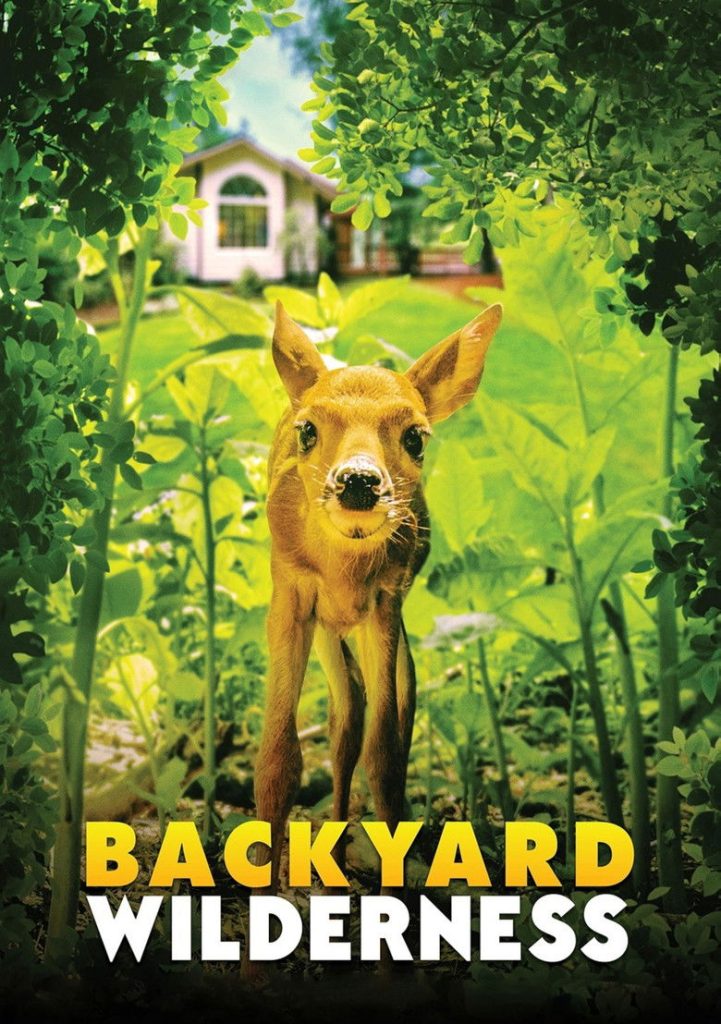
Story overview
Backyard Wilderness is a 2018 documentary that explores the hidden natural world found in ordinary suburban backyards across America. Through stunning cinematography, the film reveals the intricate ecosystems, wildlife behaviors, and seasonal changes that occur just outside our doors, encouraging viewers to appreciate the biodiversity in their own communities.
Parent Guide
A gentle, educational documentary suitable for all ages with no concerning content. Perfect for sparking interest in nature and science.
Content breakdown
No violence or peril. Shows natural predator-prey interactions (like insects eating plants) in a factual, non-graphic manner.
Nothing scary or disturbing. All content is presented in a calm, observational documentary style.
No inappropriate language. Narration uses educational, child-friendly vocabulary.
No sexual content or nudity. Shows animals in their natural behaviors without any mating scenes.
No substance use of any kind.
Very low emotional intensity. The tone is consistently calm, educational, and wonder-focused.
Parent tips
This documentary is an excellent educational tool for children interested in nature and wildlife. It's visually engaging with no concerning content, making it suitable for family viewing. Consider watching together to discuss the animals and ecosystems shown, and perhaps follow up with backyard exploration activities.
Parent chat guide
Parent follow-up questions
- Did you see any animals you know?
- What colors did you see in nature?
- Can you make animal sounds from the movie?
- What animal behaviors did you notice?
- How do seasons change the backyard?
- What would you look for in our backyard?
- How are backyard ecosystems different from wilderness?
- What adaptations help animals live near humans?
- How can we protect local wildlife?
- What ecological principles are demonstrated?
- How does urbanization affect biodiversity?
- What conservation efforts could help backyard species?
🎭 Story Kernel
At its core, 'Backyard Wilderness' is a meditation on human disconnection from the natural world, framed through the subtle drama of a suburban ecosystem. The film's real protagonist isn't any single creature but the collective, often-overlooked life cycle that persists despite human encroachment. It expresses how wilderness isn't a distant concept but a resilient, complex society operating parallel to our own, driven by primal instincts of survival, reproduction, and territory. The narrative tension arises from the contrast between the chaotic, purposeful wild and the ordered, often oblivious human domain, suggesting that true wilderness requires no vast expanse—just a cessation of control.
🎬 Visual Aesthetics
The cinematography employs intimate macro shots and ground-level perspectives, making insects and small animals feel monumental, while wider angles of houses loom like indifferent monoliths. A muted, natural color palette—earthy browns, greens, and grays—dominates, punctuated by vivid flashes during predation or mating, emphasizing life's raw intensity. The camera lingers on textures: dewy spiderwebs, cracked soil, weathered wood, creating a tactile sense of place. Slow-motion sequences during key moments, like a hawk's dive or a seed dispersal, transform mundane acts into epic visual poetry, highlighting nature's meticulous choreography.
🔍 Details & Easter Eggs
💡 Behind the Scenes
Filmed over three years in a single suburban neighborhood in Oregon, the production used custom-built, weatherproof cameras to capture uninterrupted footage. Many 'scenes' were unscripted, relying on patient observation of actual animal behavior, with the crew often waiting weeks for specific interactions. The soundtrack incorporates field recordings from the location, blended with a minimalist score to avoid anthropomorphizing the subjects. Director Sarah Klein, a former biologist, insisted on no staged events or feeding to attract wildlife, resulting in authentic, sometimes sparse sequences that respect the ecosystem's natural rhythms.
Where to watch
Choose region:
- Netflix
- Netflix Standard with Ads
Trailer
Trailer playback is unavailable in your region.