
Bad Apples (2026)
Story overview
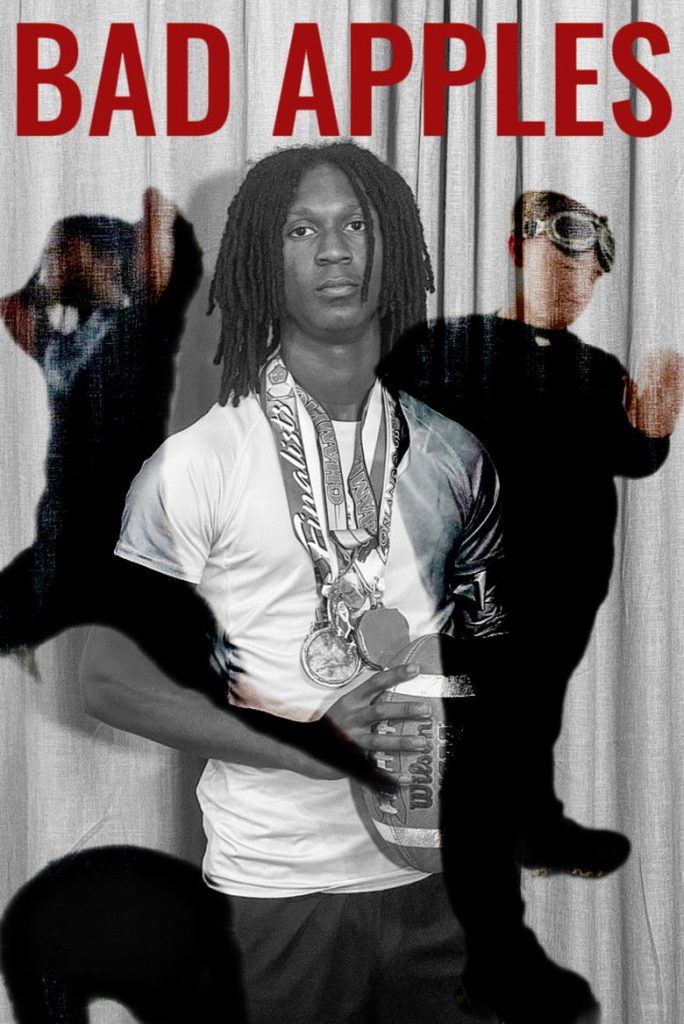
In this comedic drama, Tom, a one-armed quarterback, is persuaded by his mean-spirited coach, Apple Bottom, to steal the playbook from a rival team's ambidextrous quarterback. The film explores themes of competition, ethics, and personal challenges in a sports setting.
Parent Guide
A lighthearted sports comedy-drama with a moral dilemma at its core. Suitable for most children with parental guidance to discuss the ethical themes.
Content breakdown
No physical violence shown. The peril is limited to the tension of potentially getting caught stealing the playbook, portrayed in a comedic tone.
No scary or disturbing content. The coach's mean-spirited nature is presented humorously without being frightening.
No offensive language expected based on the comedic-drama genre and lack of rating information.
No sexual content or nudity.
No substance use shown or implied.
Mild emotional intensity related to the ethical dilemma and sports competition. The short runtime keeps emotions manageable for children.
Parent tips
This movie involves a plot to steal a playbook, which presents an opportunity to discuss honesty, sportsmanship, and peer pressure with children. The coach's mean-spirited behavior may model negative leadership. The short runtime makes it suitable for brief viewing sessions.
Parent chat guide
Parent follow-up questions
- What was your favorite part of the movie?
- How did Tom play football with one arm?
- Was it right for Tom to steal the playbook? Why or why not?
- What makes a good coach or leader?
- What pressures might Tom have felt from his coach?
- How could the story have ended if Tom made a different choice?
- Discuss the ethical dilemma Tom faces between winning and integrity.
- How does the film portray disability and adaptation in sports?
Where to watch
Streaming availability has not been announced yet.