
Bad Seeds (2018)
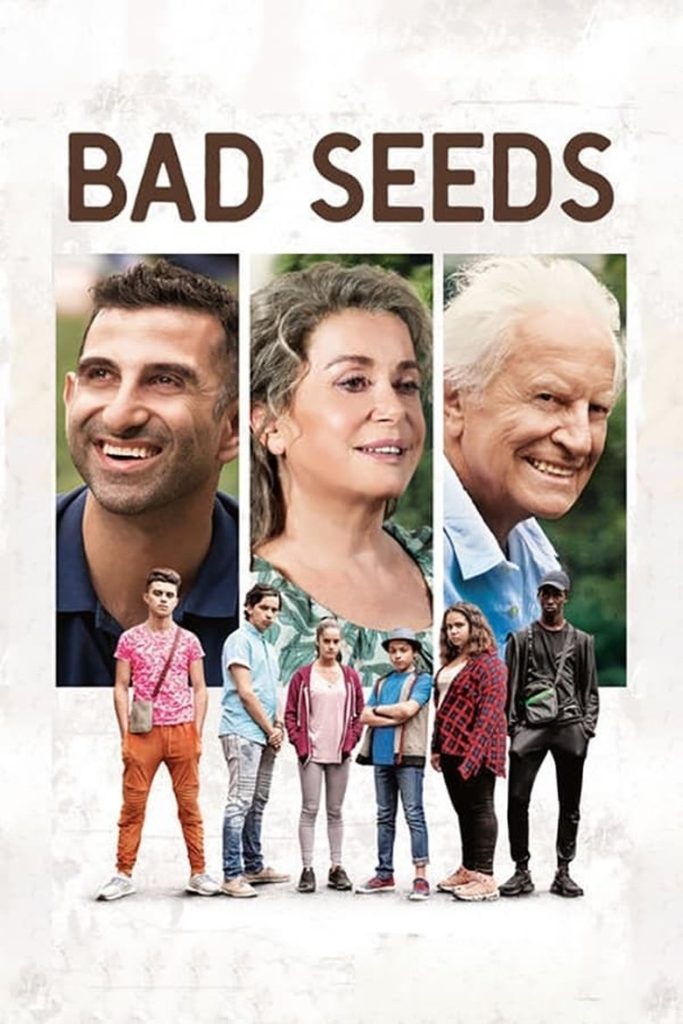
Story overview
Bad Seeds is a 2018 comedy-drama film that explores themes of childhood mischief and personal growth. The story follows a group of young characters navigating challenges and learning important life lessons through their experiences. With its TV-MA rating, the film contains mature content suitable for older audiences.
Parent Guide
TV-MA rated film with mature themes requiring parental guidance for younger viewers
Content breakdown
May include confrontational situations or mild physical conflicts typical of comedy-drama narratives
Could contain emotionally challenging situations or tense moments
May include mature language consistent with TV-MA rating
Could contain suggestive content or romantic themes
May include references to or depictions of substance use
Deals with coming-of-age themes and interpersonal conflicts
Parent tips
This film is rated TV-MA, indicating it's intended for mature audiences and may not be suitable for children under 17. Parents should preview the content before deciding if it's appropriate for their family. Consider the emotional maturity of your child and be prepared to discuss any challenging themes that arise.
Parent chat guide
Parent follow-up questions
- What did you think about the children in the movie?
- How did the characters help each other?
- What was your favorite part of the story?
- What did you learn about being a good friend?
- How did the characters solve their problems?
- What choices did the main characters make in the story?
- How did the characters show they were growing up?
- What consequences did the characters face for their actions?
- What did you think about how the friends treated each other?
- What would you have done differently in their situation?
- What themes about growing up did you notice in the film?
- How did peer pressure influence the characters' decisions?
- What did the film show about taking responsibility for actions?
- How did the characters demonstrate personal growth?
- What messages about friendship and loyalty stood out to you?
- How did the film portray the transition from childhood to adolescence?
- What societal pressures did the characters face, and how did they respond?
- How did the film handle themes of morality and ethical decision-making?
- What commentary did the film make about modern childhood experiences?
- How did character relationships evolve throughout the story?
🎭 Story Kernel
At its core, 'Bad Seeds' dissects the terrifying question of whether evil is inherited or cultivated. The film follows two families whose children become entangled in a series of escalating, violent incidents. Rather than presenting simple monsters, the narrative reveals how parental neglect, societal pressures, and unspoken traumas create fertile ground for darkness to flourish. The children's actions mirror their parents' hidden cruelties and failures, suggesting that the 'bad seeds' might actually be the poisoned fruit of rotten trees. The film's most disturbing revelation isn't the children's capacity for violence, but the adults' complicity in creating the conditions that made it inevitable.
🎬 Visual Aesthetics
The film employs a desaturated color palette dominated by grays and muted greens, visually mirroring the emotional barrenness of its suburban setting. Handheld camerawork creates an unsettling intimacy during tense domestic scenes, while static wide shots emphasize the characters' isolation within their own homes. Director Jean-Baptiste Andrea uses deliberate pacing—lingering on empty playgrounds and silent dinner tables—to build dread through absence rather than action. The most striking visual motif is the recurring image of windows and fences: barriers that both separate and trap the characters in their private hells, suggesting that the real prison is the family unit itself.
🔍 Details & Easter Eggs
💡 Behind the Scenes
The child actors underwent an unusual rehearsal process where they weren't allowed to meet the adult cast until filming began, creating genuine discomfort that translates on screen. Director Jean-Baptiste Andrea insisted on shooting in chronological order—rare for film productions—to preserve the narrative's emotional arc. The suburban neighborhood was actually a purpose-built set on the outskirts of Brussels, allowing complete control over the eerily perfect environment. Isabelle Huppert prepared for her role by studying real cases of parental denial in criminal psychology, bringing unsettling authenticity to her character's willful blindness.
Where to watch
Choose region:
- Netflix
- Netflix Standard with Ads
Trailer
Trailer playback is unavailable in your region.