
Bāhubali 2: The Conclusion (2017)
Story overview
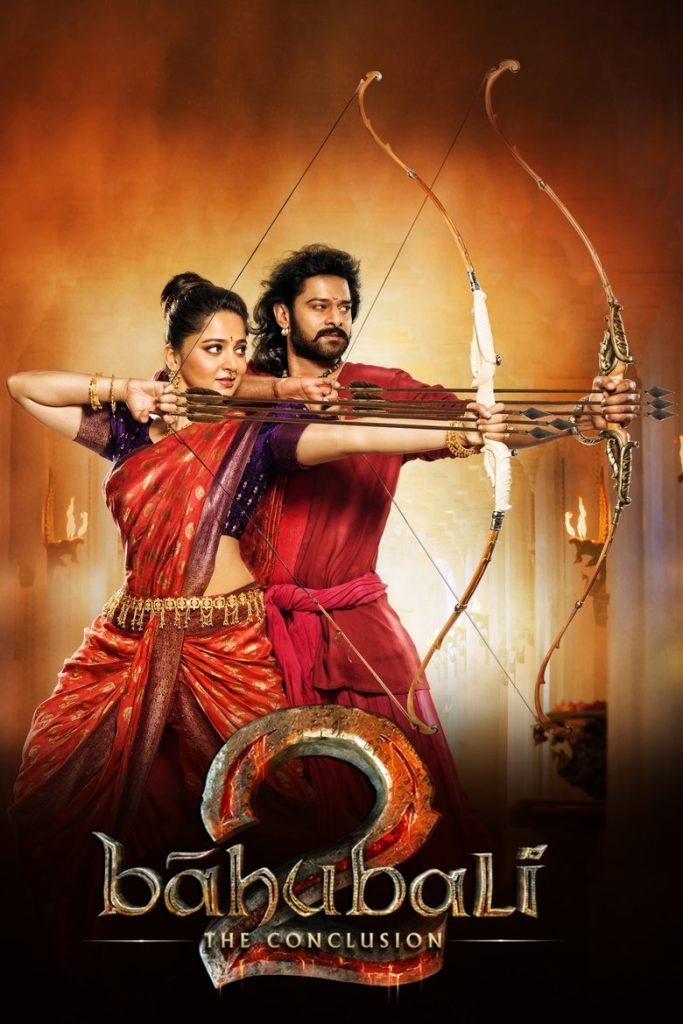
Baahubali 2: The Conclusion is an epic Indian fantasy film that continues the story of the legendary warrior Baahubali. The film follows his journey to reclaim his rightful kingdom from a treacherous usurper, featuring grand battles, mythical elements, and themes of honor and destiny. It combines spectacular visual effects with traditional storytelling in a sweeping adventure narrative.
Parent Guide
Epic fantasy adventure with intense action sequences and themes of honor and destiny.
Content breakdown
Contains stylized fantasy violence including large-scale battles, sword fights, and combat. Action is theatrical rather than graphic, but includes scenes of peril and conflict.
Some intense moments during battle sequences and confrontations, but generally not frightening in a horror sense. Mythical elements are presented as grand rather than scary.
No concerning language issues noted.
No sexual content or nudity concerns.
No substance use depicted.
Contains emotionally charged scenes involving betrayal, sacrifice, and dramatic confrontations. Themes of family honor and destiny create emotional weight.
Parent tips
This film contains extensive fantasy violence with large-scale battles, sword fights, and combat sequences that may be intense for younger viewers. The action is stylized and theatrical rather than realistic, but includes scenes of peril and conflict. Parents should be aware that the film's runtime is substantial (approximately 167 minutes), which may challenge attention spans for some children.
Parent chat guide
Parent follow-up questions
- Which character did you like best and why?
- What was your favorite colorful scene?
- How did the music make you feel during the movie?
- What made Baahubali a good leader?
- How did the characters show they cared about each other?
- What would you do if you saw someone being treated unfairly like in the movie?
- What qualities make someone a true hero in this story?
- How does the film show the importance of standing up for what's right?
- What challenges did the characters face and how did they overcome them?
- How does the film explore themes of destiny versus personal choice?
- What commentary does the movie make about power and leadership?
- How does the visual style enhance the storytelling in this epic narrative?
🎭 Story Kernel
At its core, 'Baahubali 2' explores the tension between righteous duty and human desire. While ostensibly about Amarendra Baahubali's rightful claim to the throne, the film's emotional engine is Bhallaladeva's unrequited love for Devasena. His villainy stems not from pure evil but from jealous obsession and political ambition thwarted by tradition. The movie suggests that rigid systems—whether royal succession or caste-based marriage—create their own destruction. Mahendra Baahubali's quest becomes less about vengeance and more about restoring a balance between power and compassion that his father embodied but the system couldn't sustain.
🎬 Visual Aesthetics
Director S.S. Rajamouli employs a painterly aesthetic where every frame resembles classical Indian art—deliberately composed, symmetrically balanced, and saturated with symbolic color. The royal palace scenes use cool blues and golds representing order and divinity, while battle sequences explode with fiery oranges and reds. Notice how camera angles shift: low-angle shots elevate Baahubali to mythic status, while Dutch angles during conspiracies create visual unease. The action choreography blends Kalaripayattu martial arts with impossible physics, creating a superhero mythology rather than realistic combat—a deliberate choice to place the story in legendary space.
🔍 Details & Easter Eggs
💡 Behind the Scenes
Prabhas gained and lost nearly 20 kilograms between filming the father and son roles, requiring separate shooting schedules. The massive waterfall set was constructed with real water pumps recycling 15,000 liters per minute. Composer M.M. Keeravani incorporated tribal Gond art rhythms into the war sequences, while the love theme uses a rare Indian instrument called the 'been' (wind pipe). The film's climax required 2,000 extras and 15 days to shoot the single battle sequence.
Where to watch
Choose region:
- Netflix
- Netflix Standard with Ads
- Google Play Movies
- YouTube
Trailer
Trailer playback is unavailable in your region.